
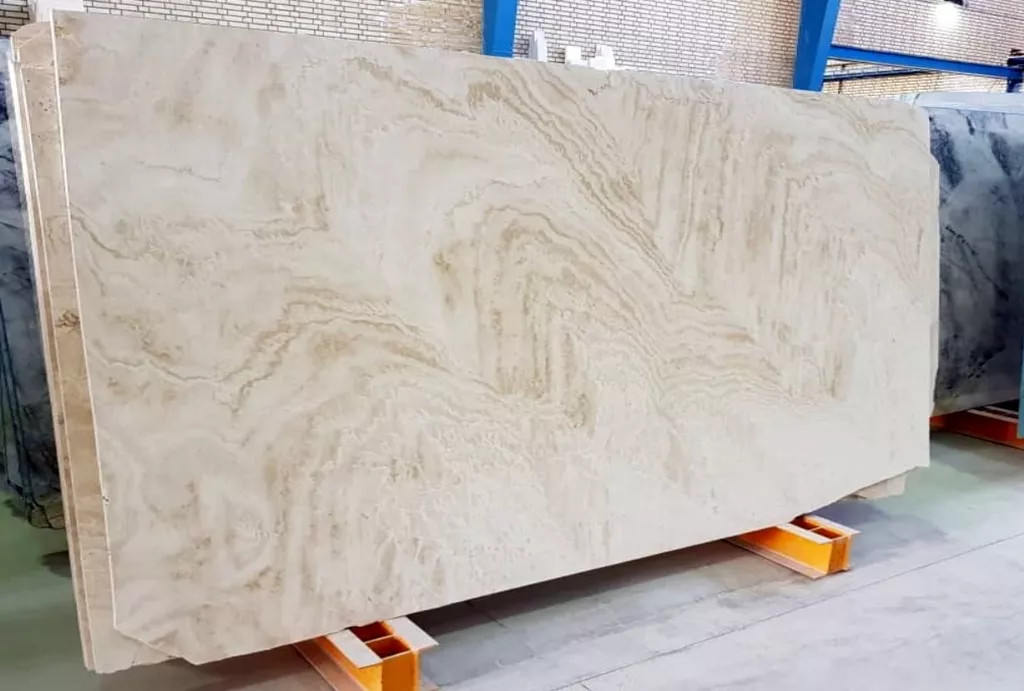
Travertine
Travertine is a porous, sedimentary rock that has been prized for its beauty and versatility for thousands of years. First mined by the Romans from Tivoli around 75 BC, this natural stone has been used in some of the most iconic structures in history. Travertine is a type of limestone formed when calcium carbonate precipitates in hot springs. With its wide range of colors and applications, travertine remains a popular choice for both interior and exterior projects.
To learn more about the ASTM tests relevant to travertine, visit our ASTM Testing Page.
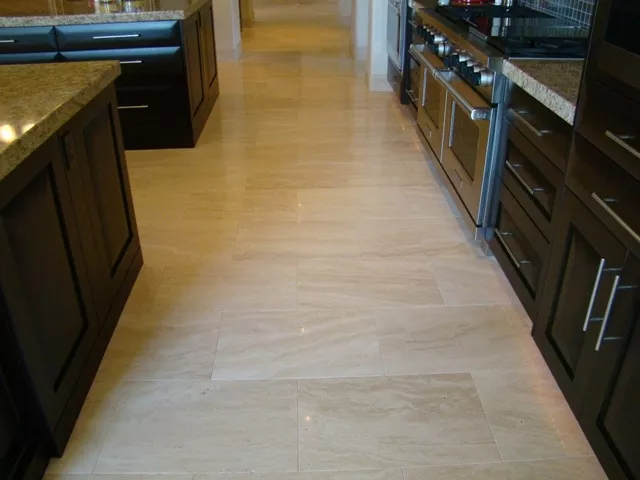
Formation and Characteristics
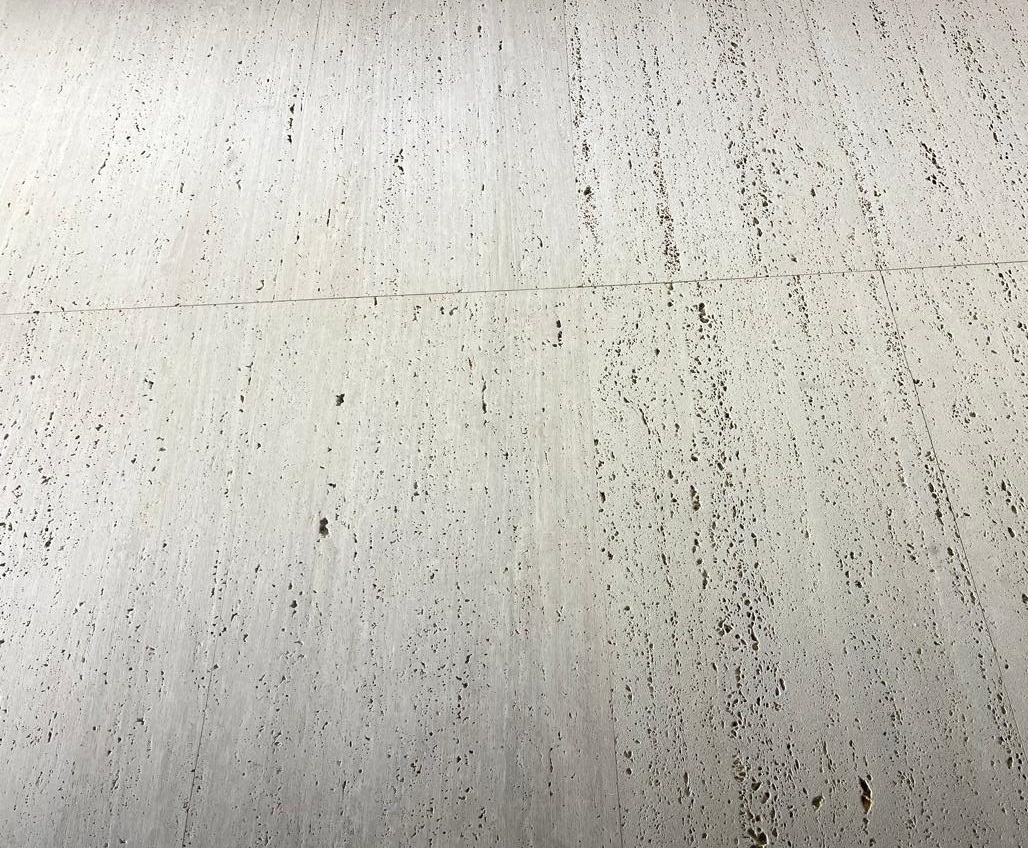
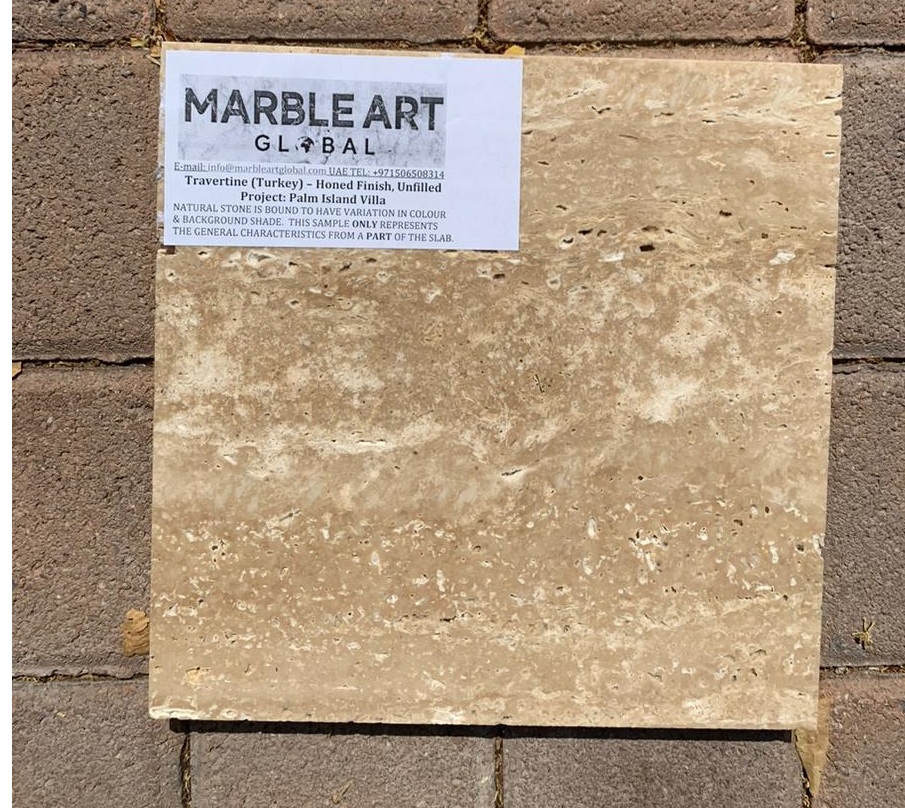
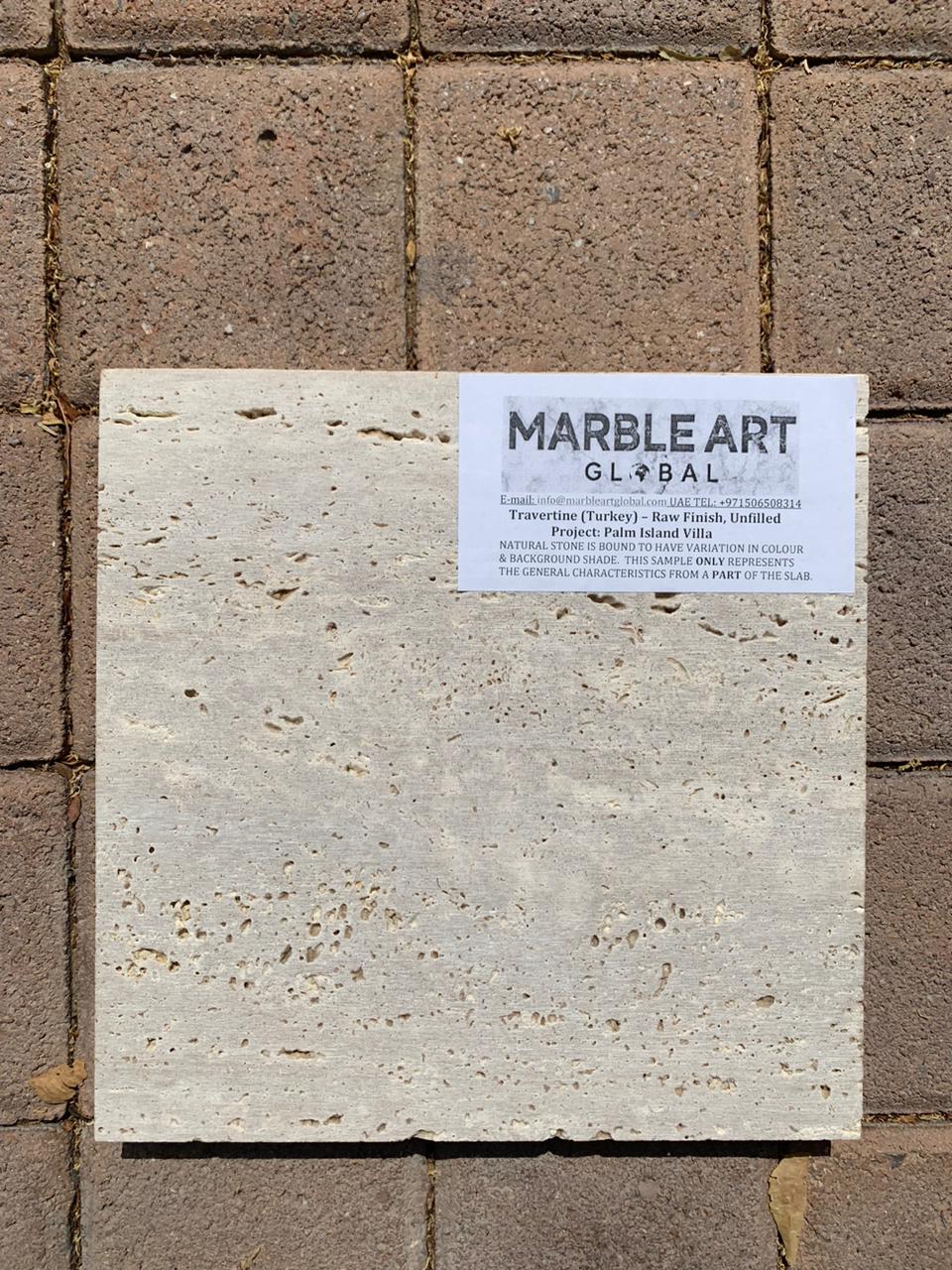
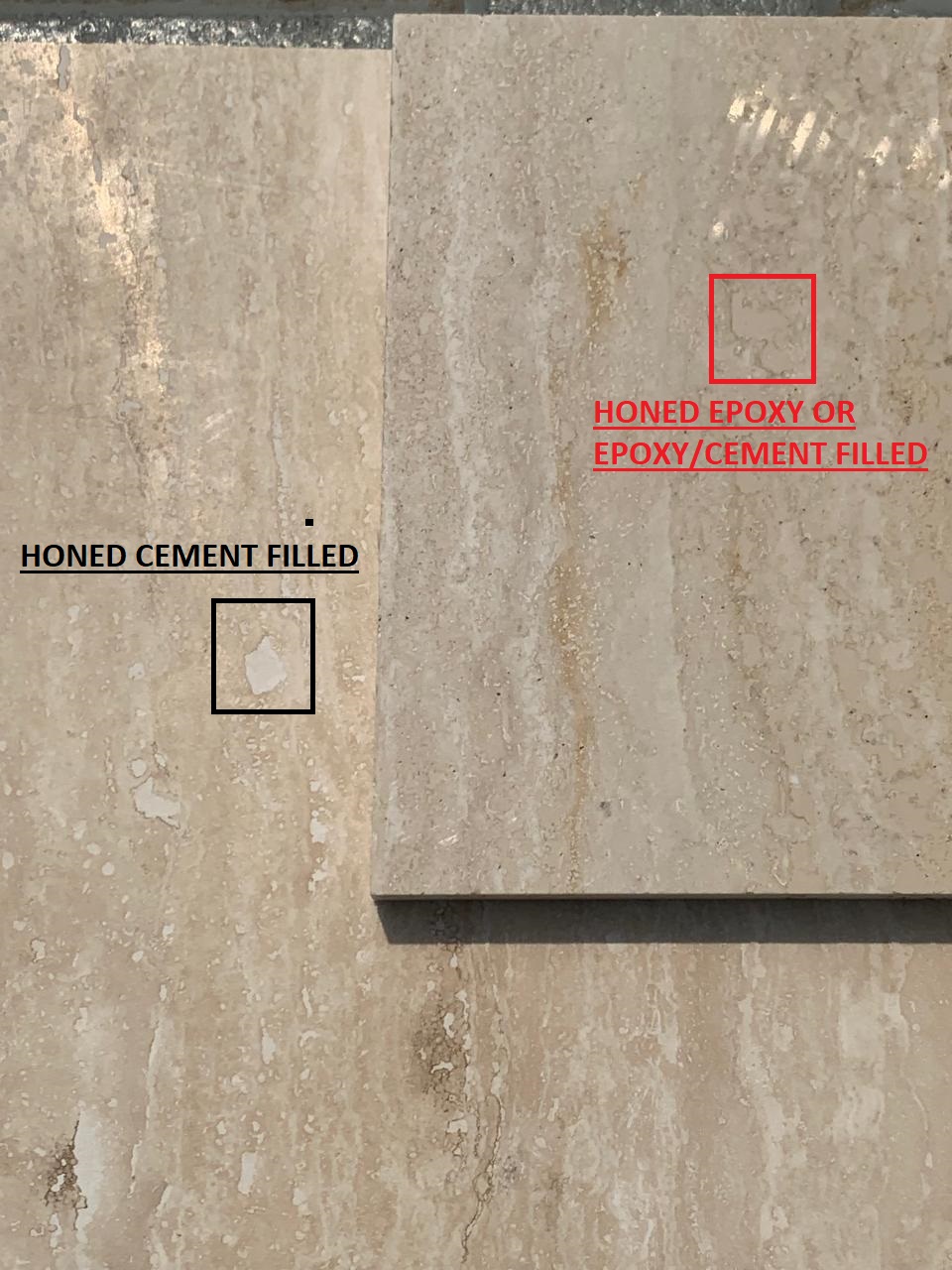
Travertine began forming about 200,000 years ago. Its porous nature allows it to be filled with either cement or resin depending on the finish desired. Or it can remain unfilled. All depends on application. We do NOT advise filling with resin when used as external cladding in GCC region as it changes colour over time. In fact for external cladding in GCC nations it is now popular to just go with raw (sawn), i.e., with no finishing and to keep it unfilled.
Durability and Density
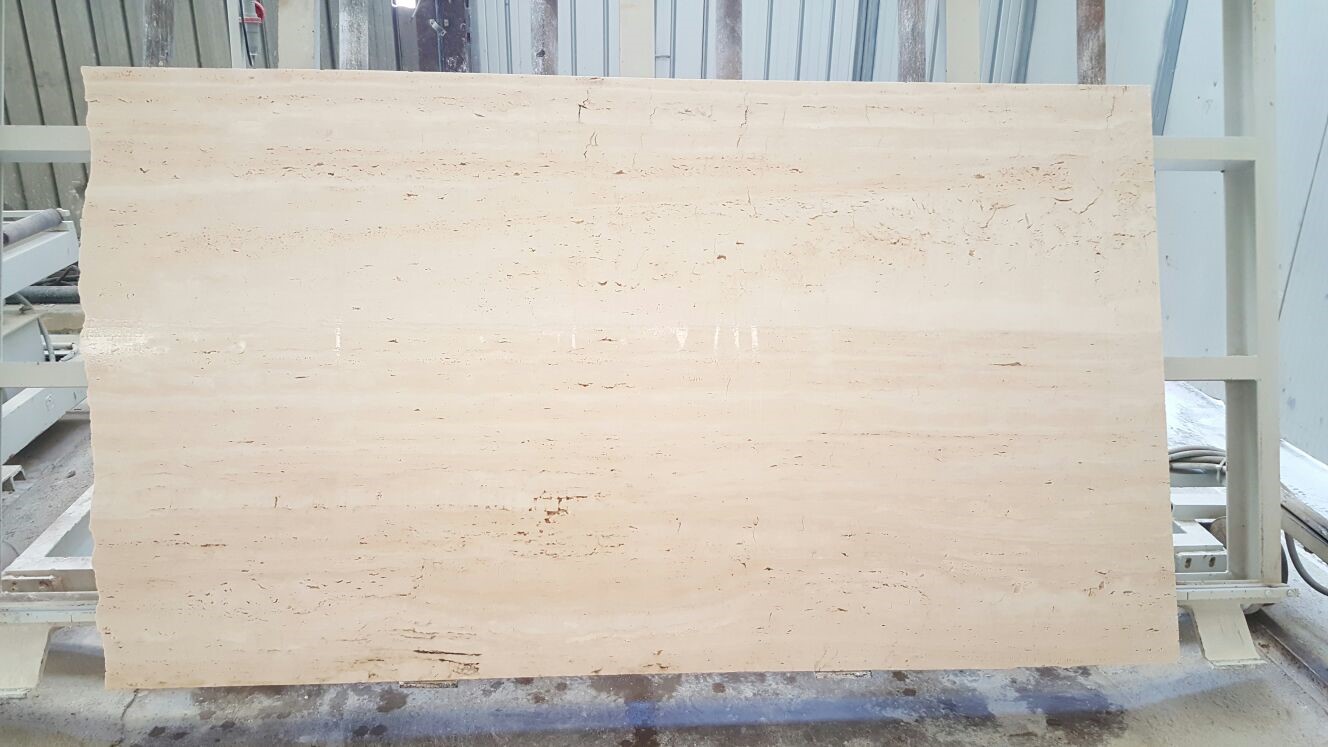
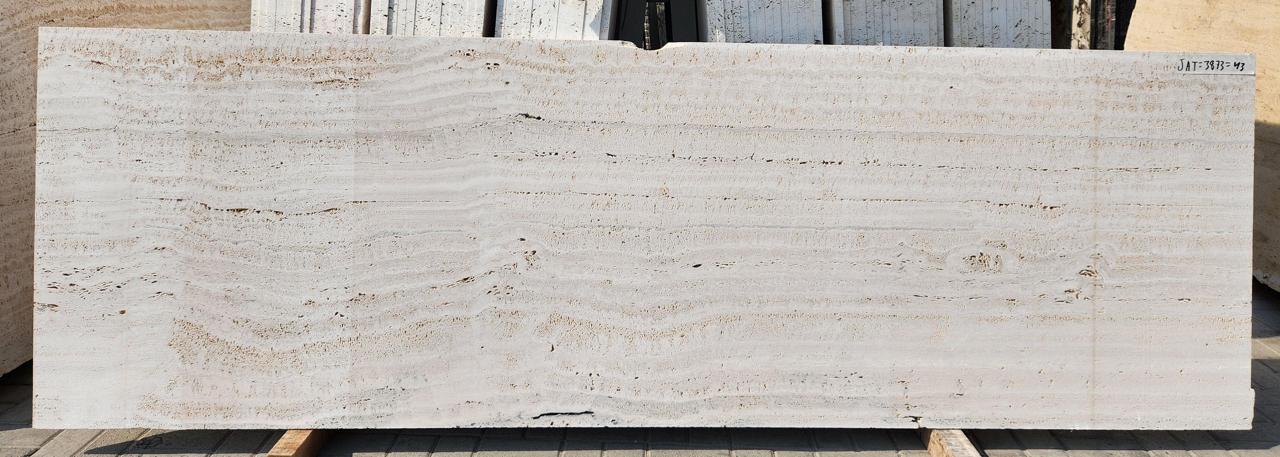
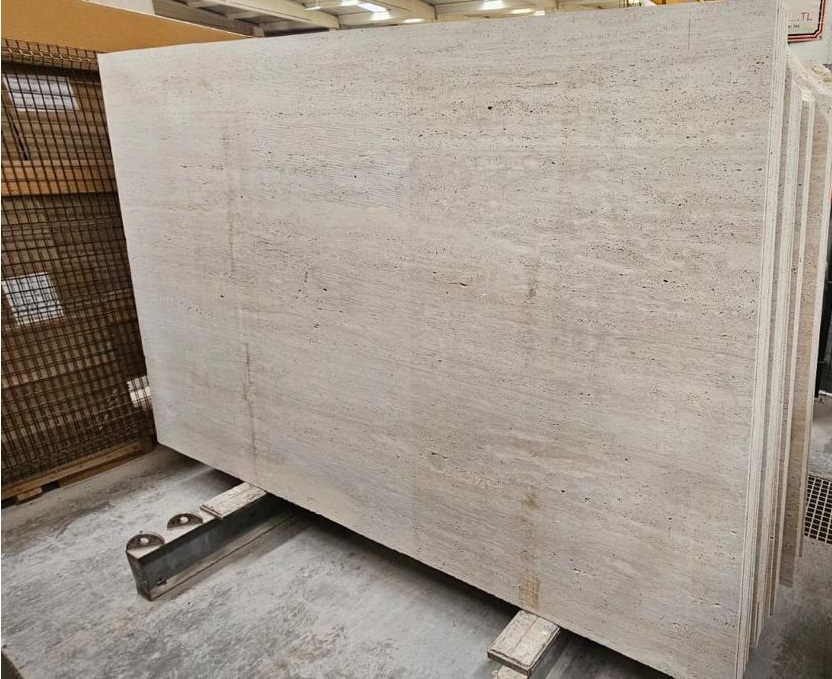
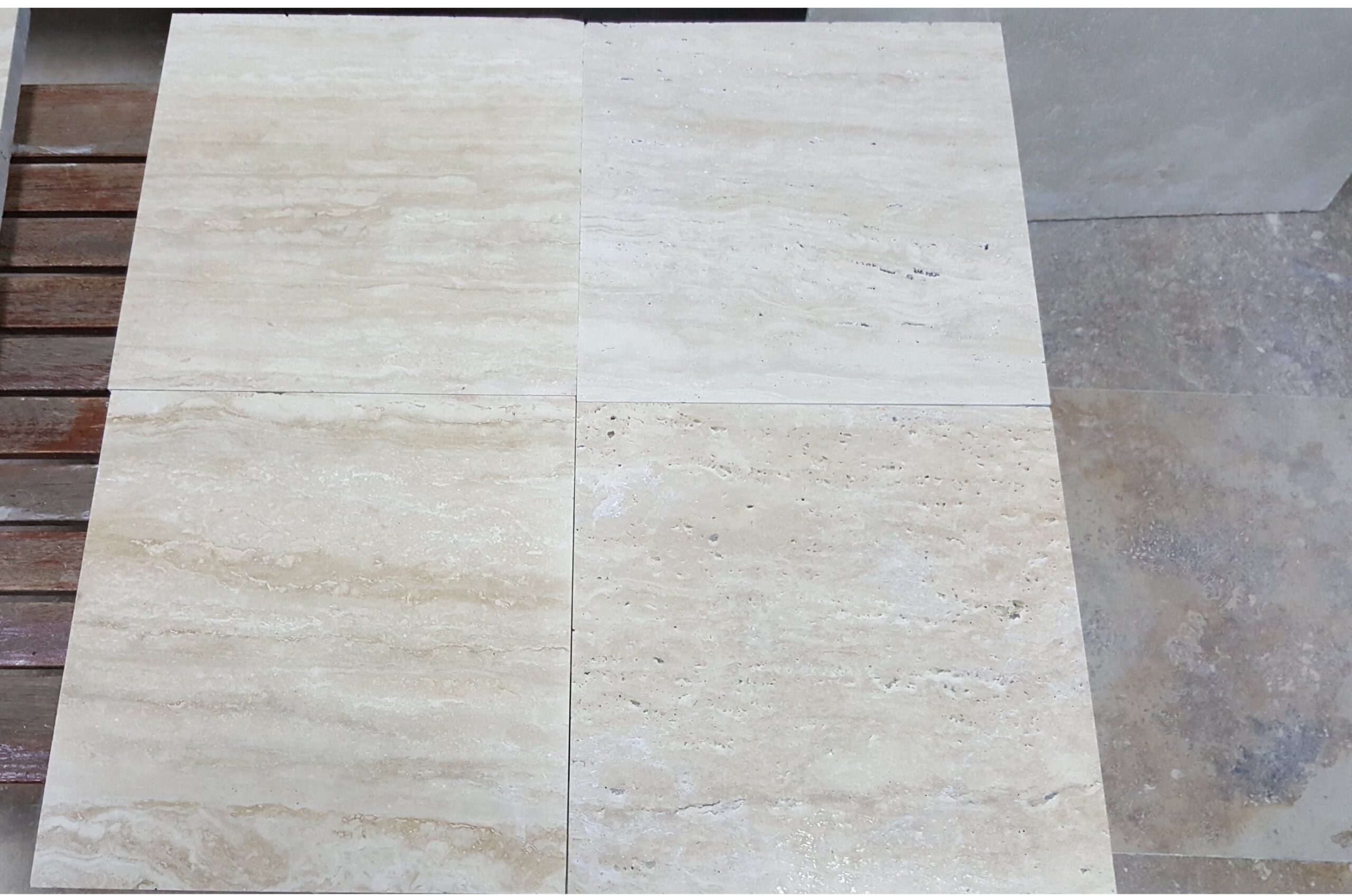
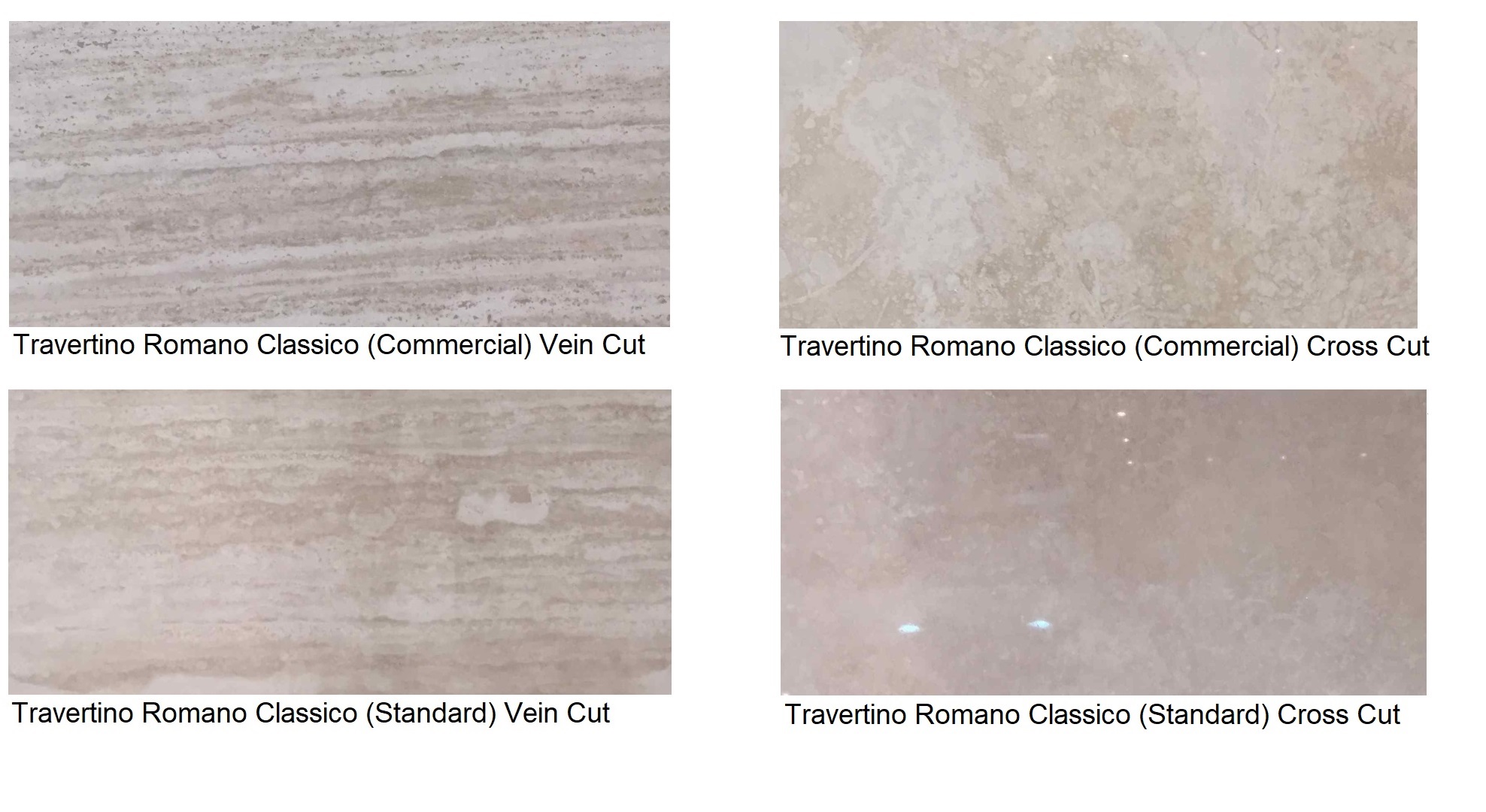
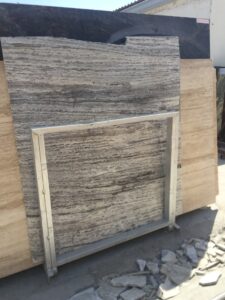
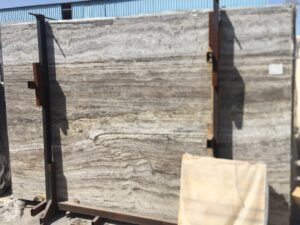
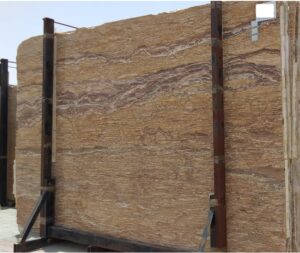
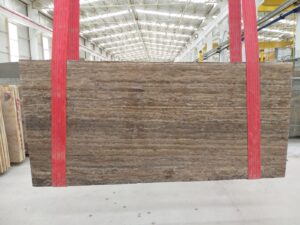
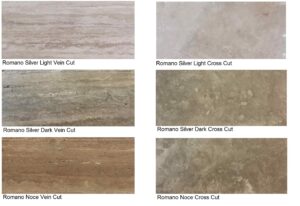
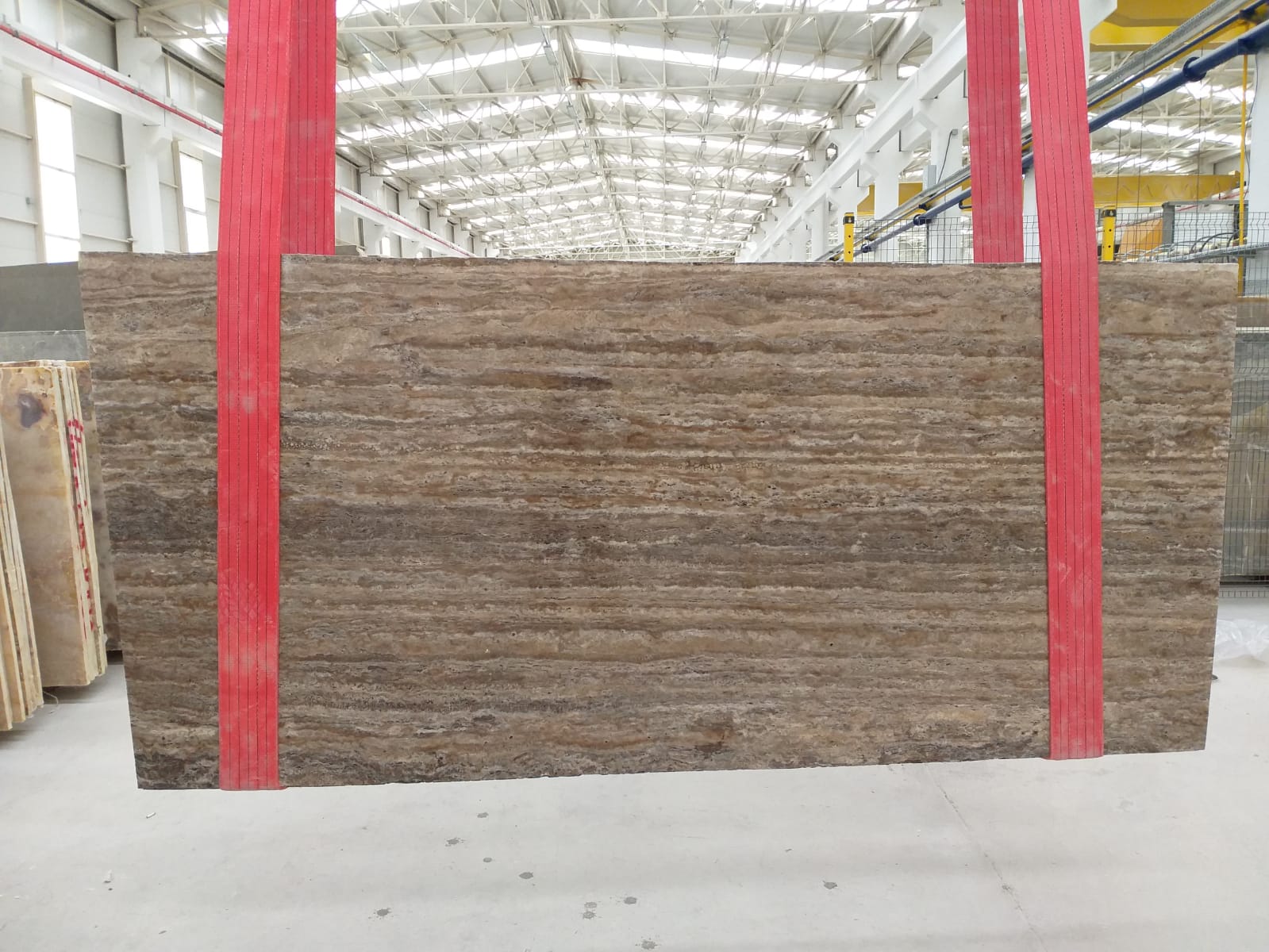
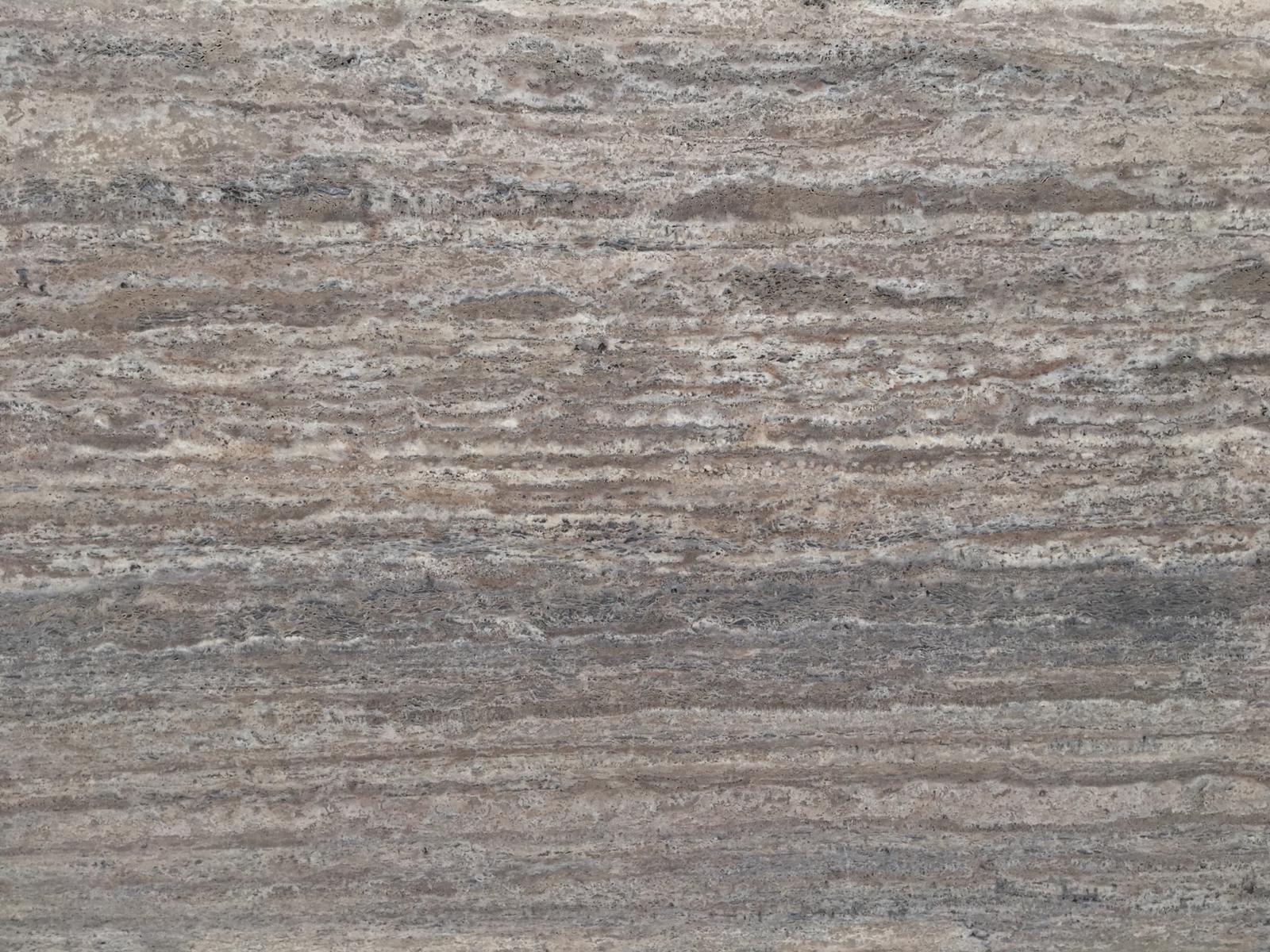
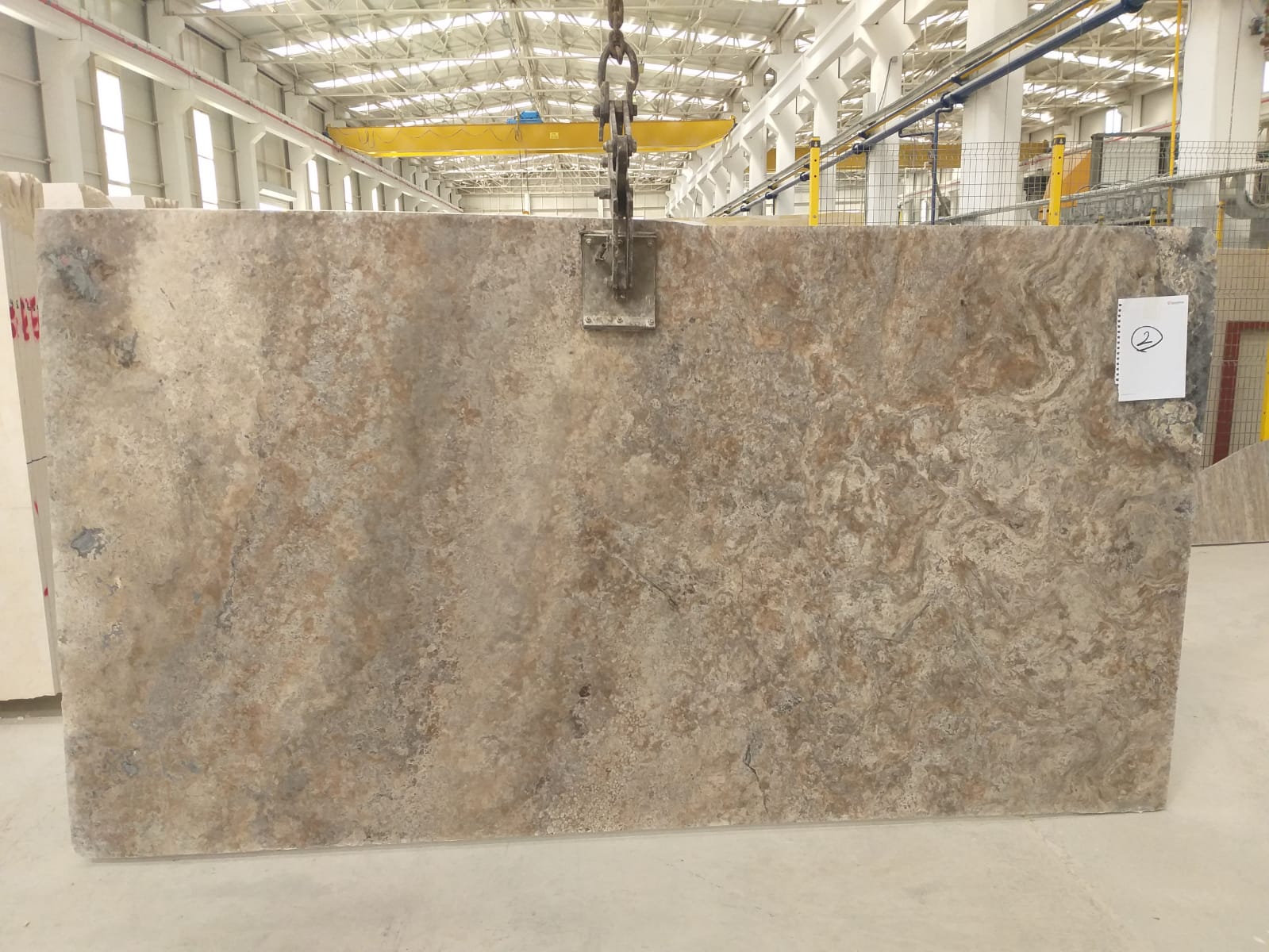
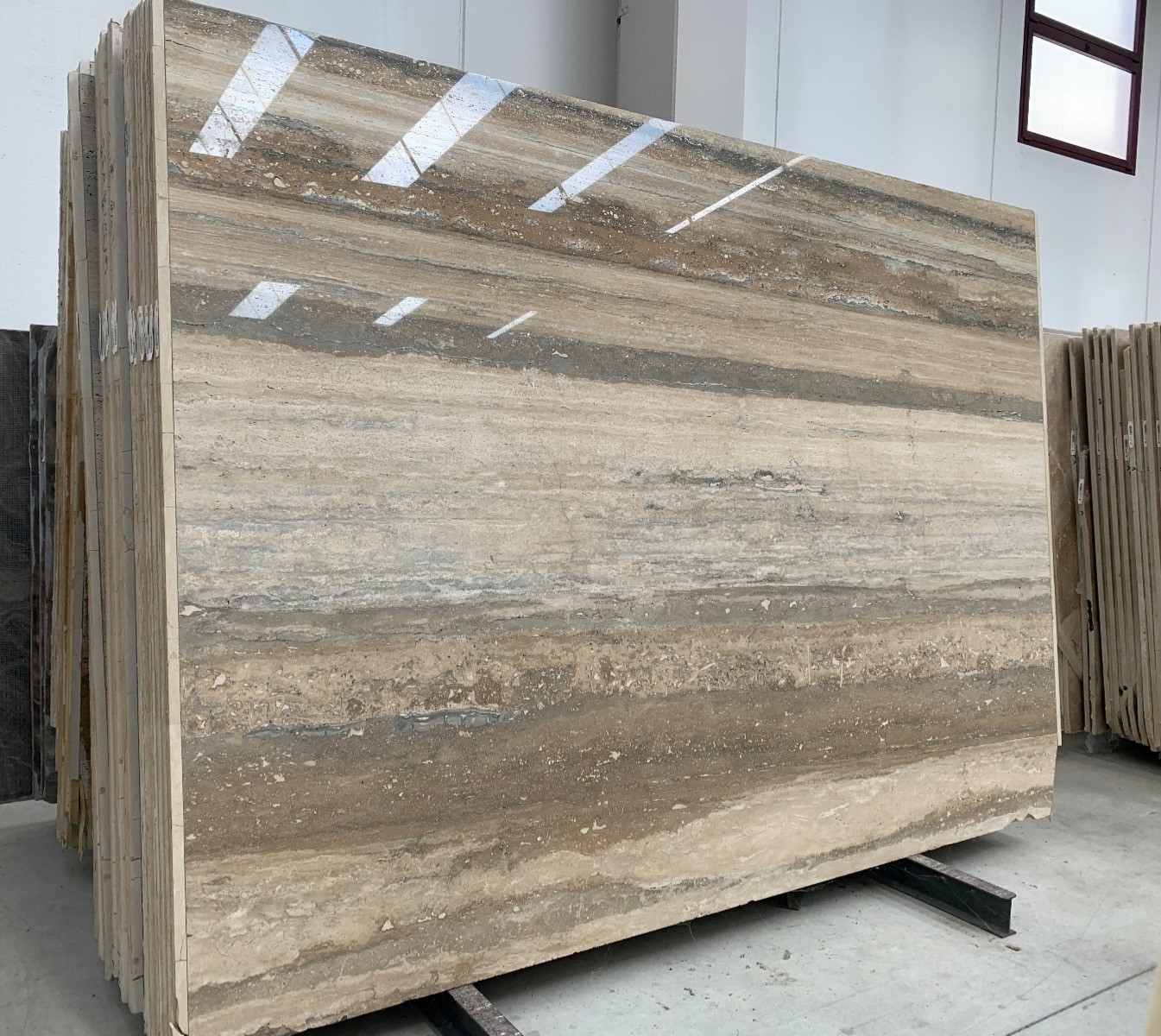
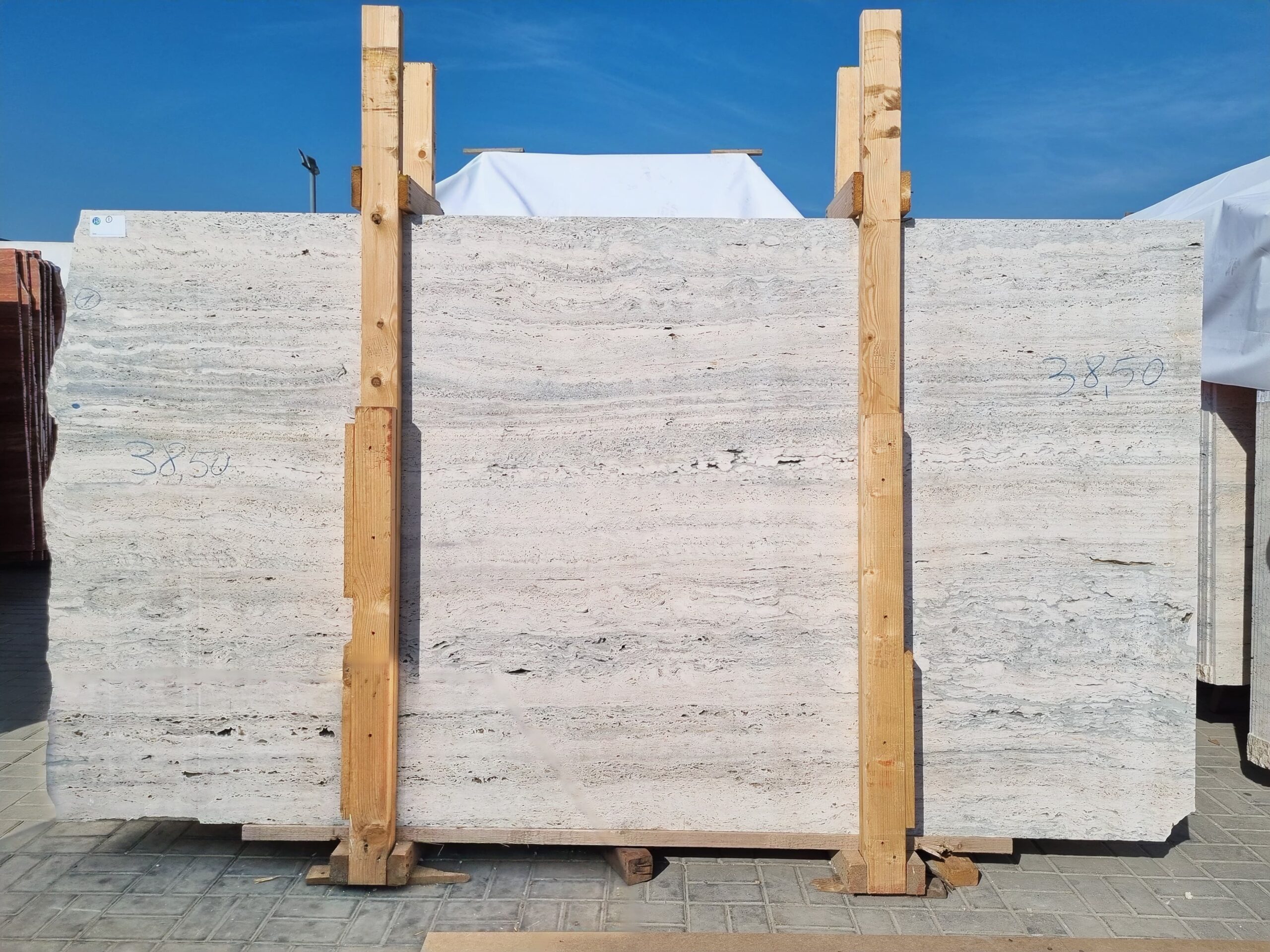
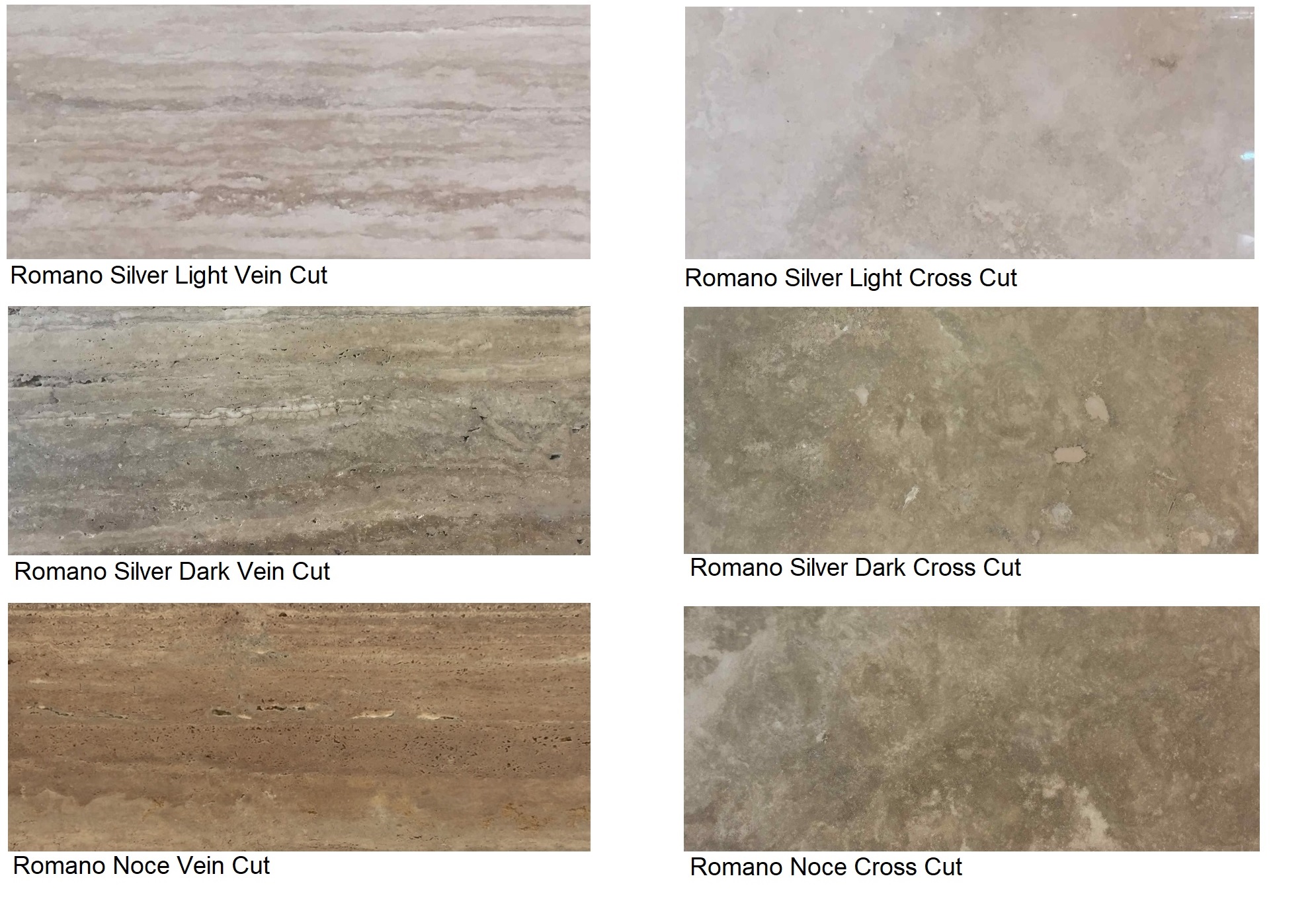
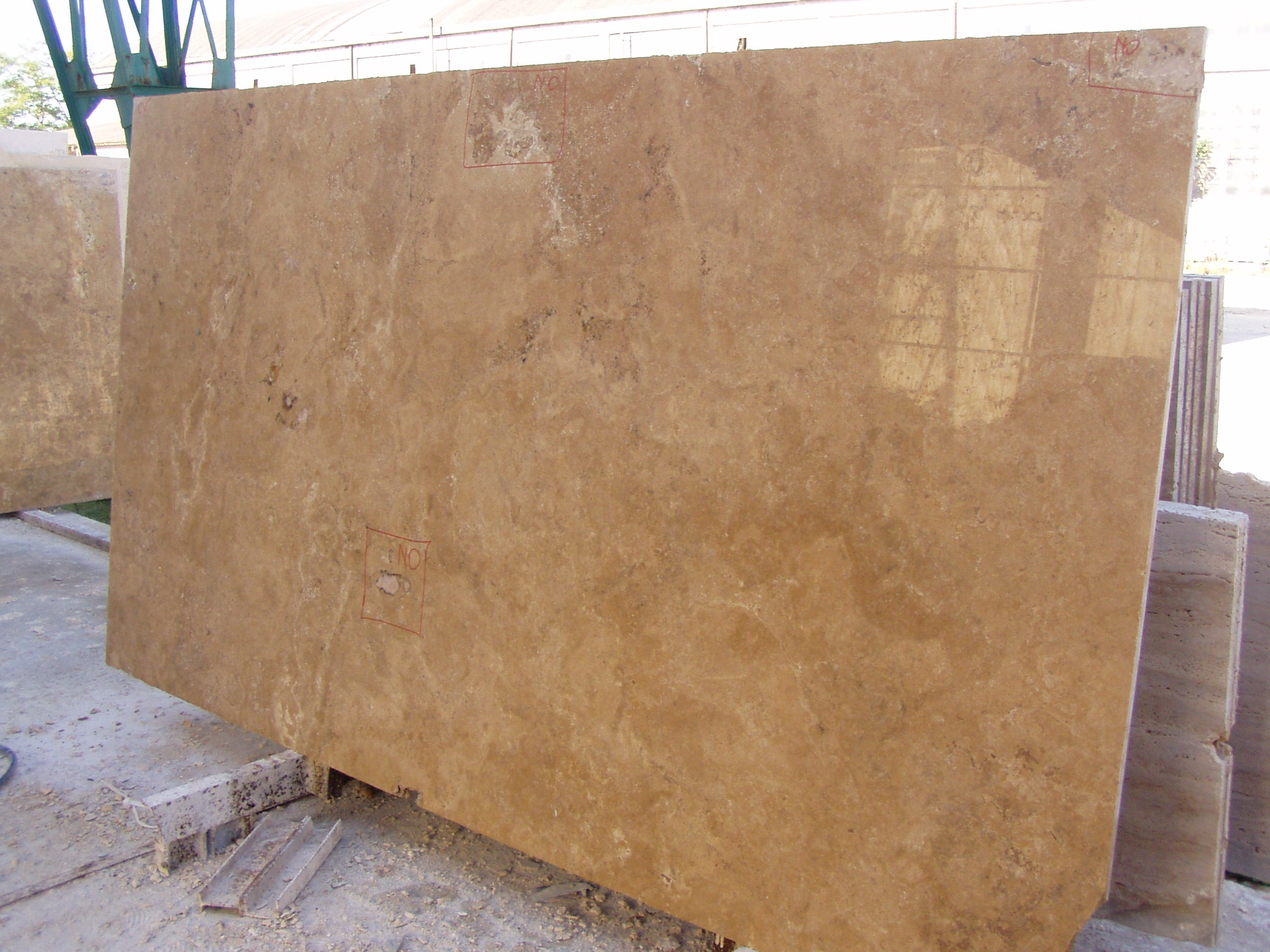
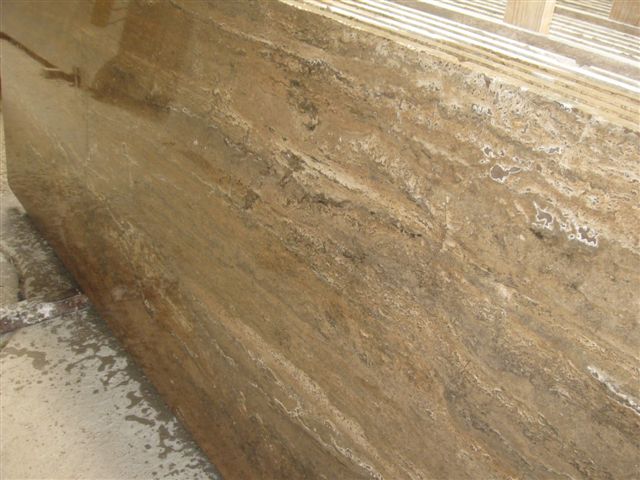
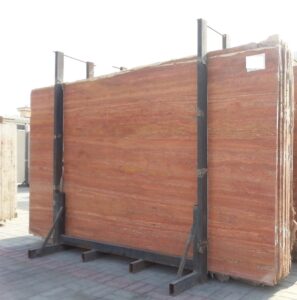
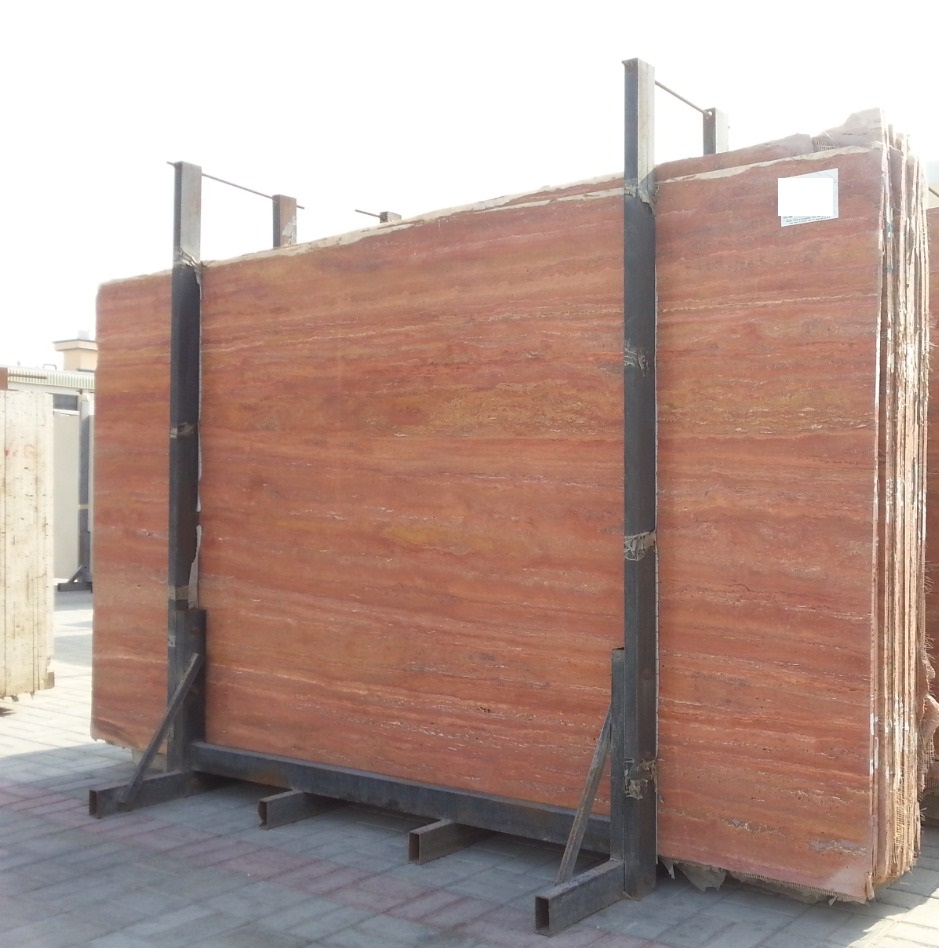
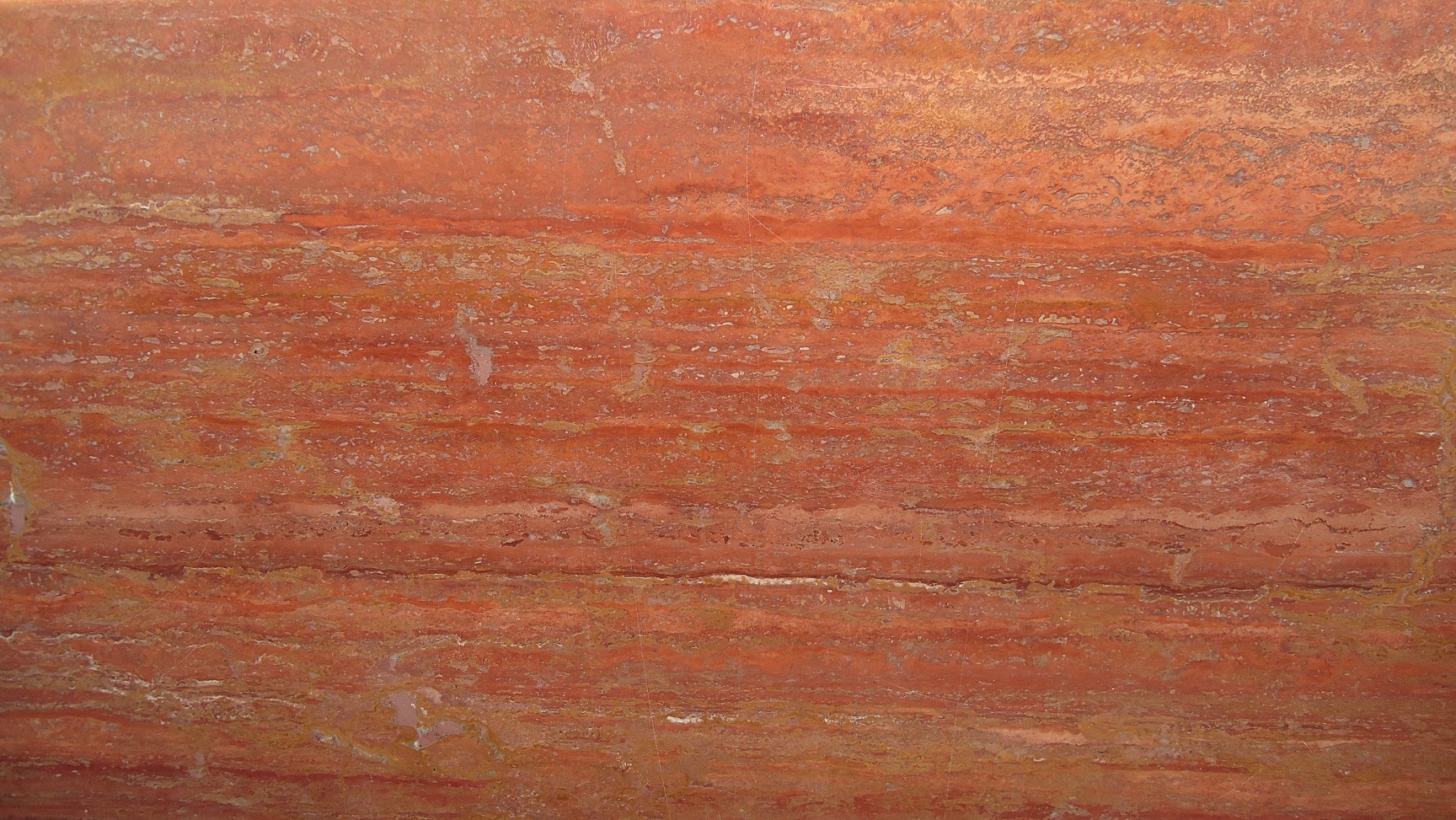
Travertine is available in a range of natural colors, from warm beige and white to deeper hues of silver, brown, red, and orange. The stone can be cut and supplied in two primary ways:
Travertine can be finished in several ways, making it suitable for different design requirements:
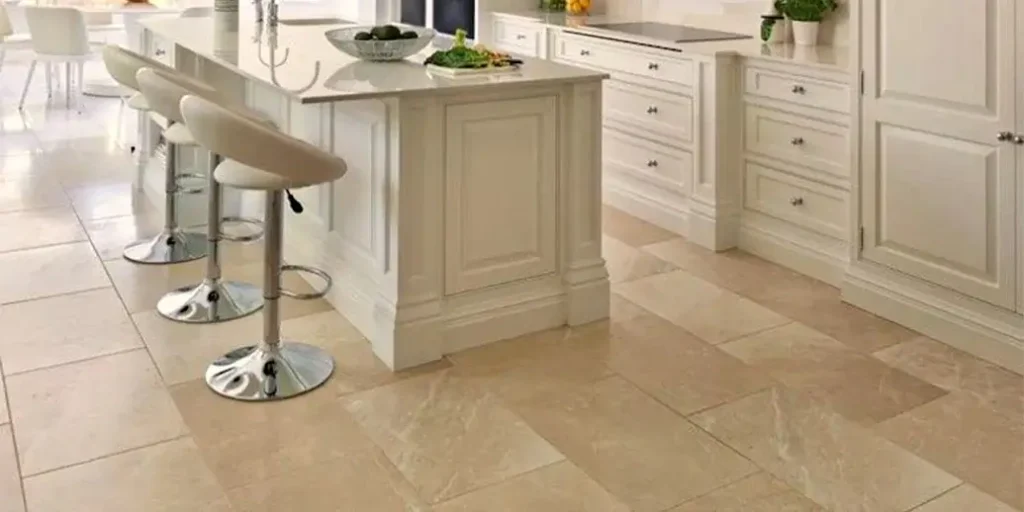
Common Applications
Travertine’s versatility makes it ideal for both indoor and outdoor use, whether filled or unfilled:
Quarries and Origins
Travertine is quarried primarily in Italy, Iran, Turkey & even North Macedonia (ex-FYROM), with each region offering its own unique variations of the stone. Italian travertine, in particular, is renowned for its historical use in architecture.
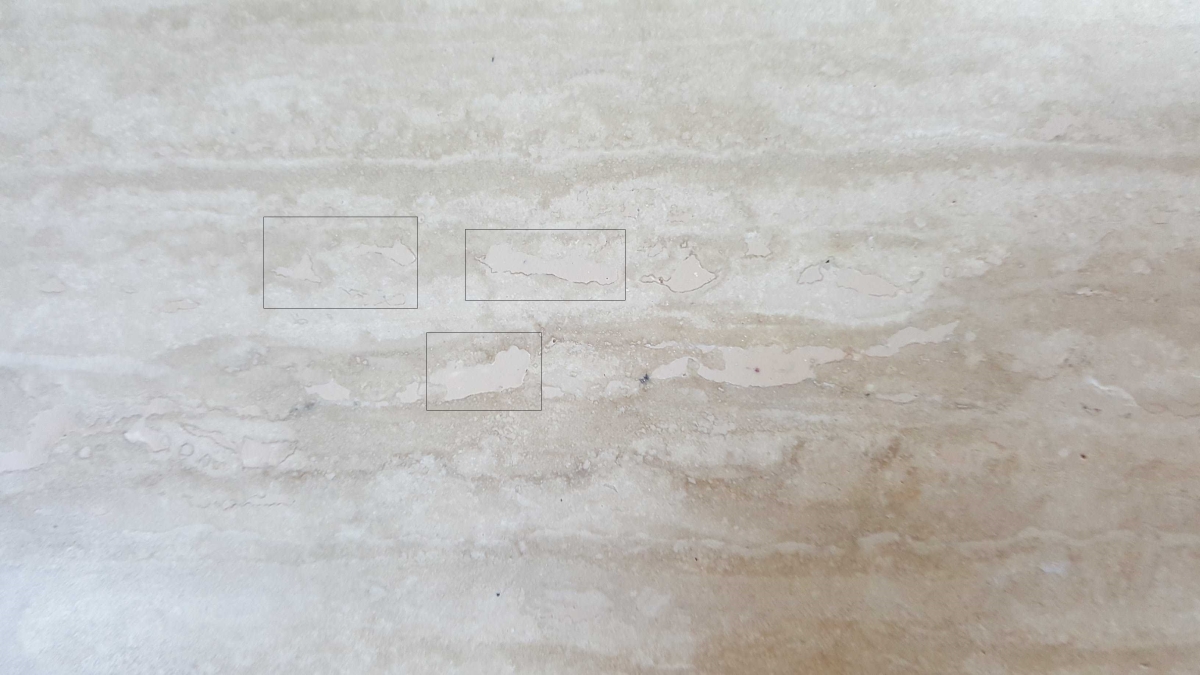
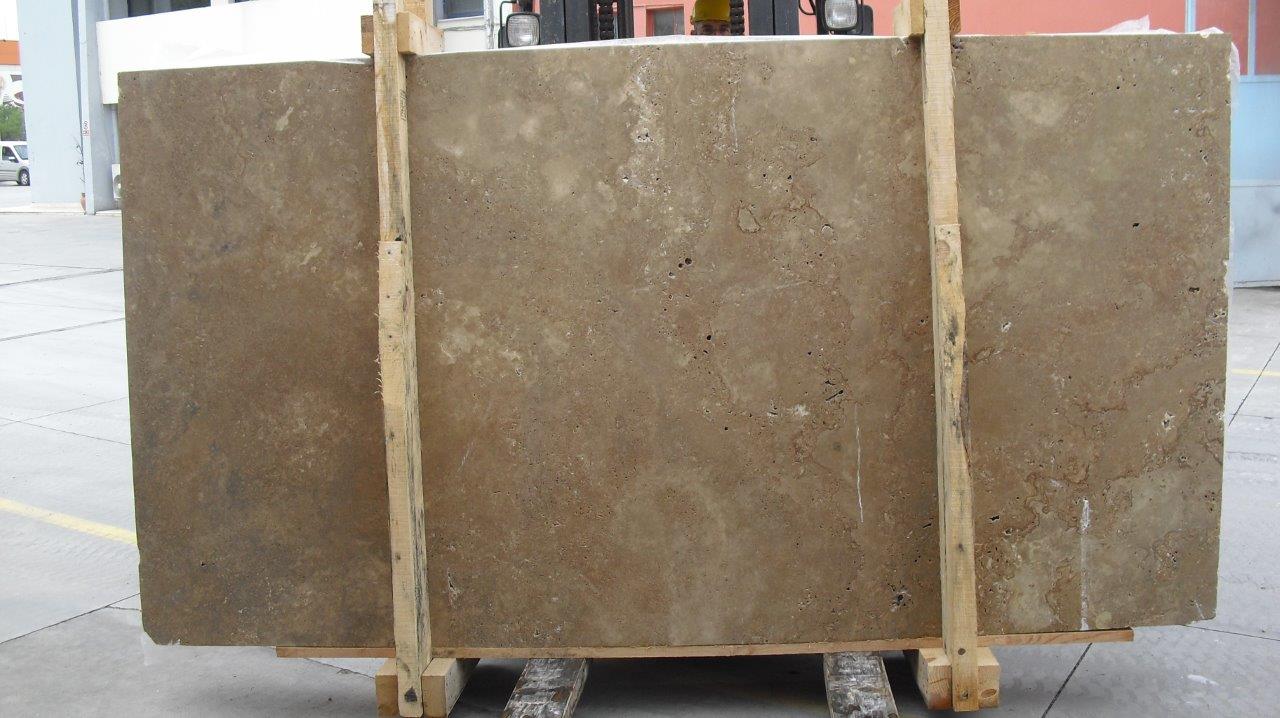
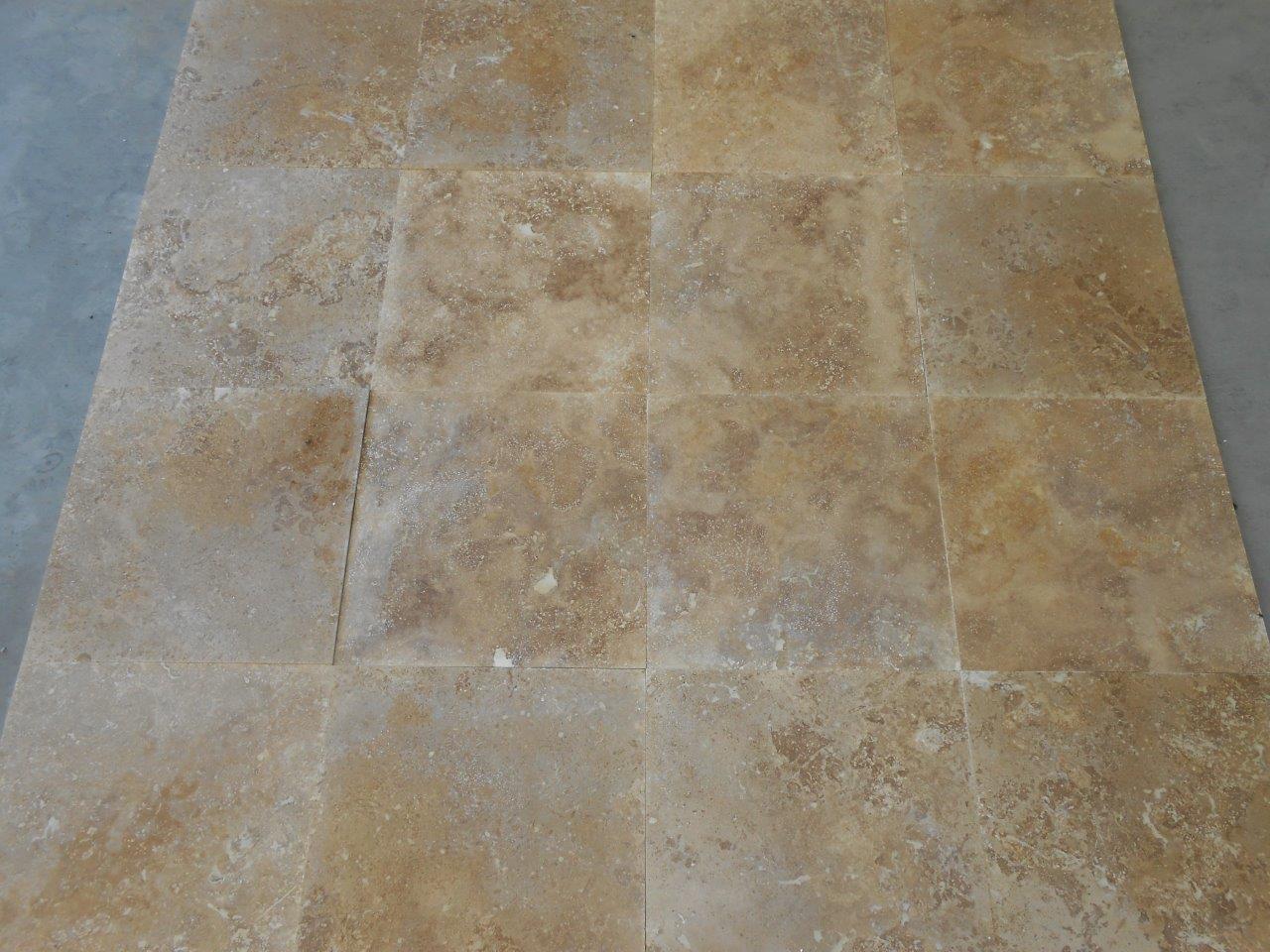
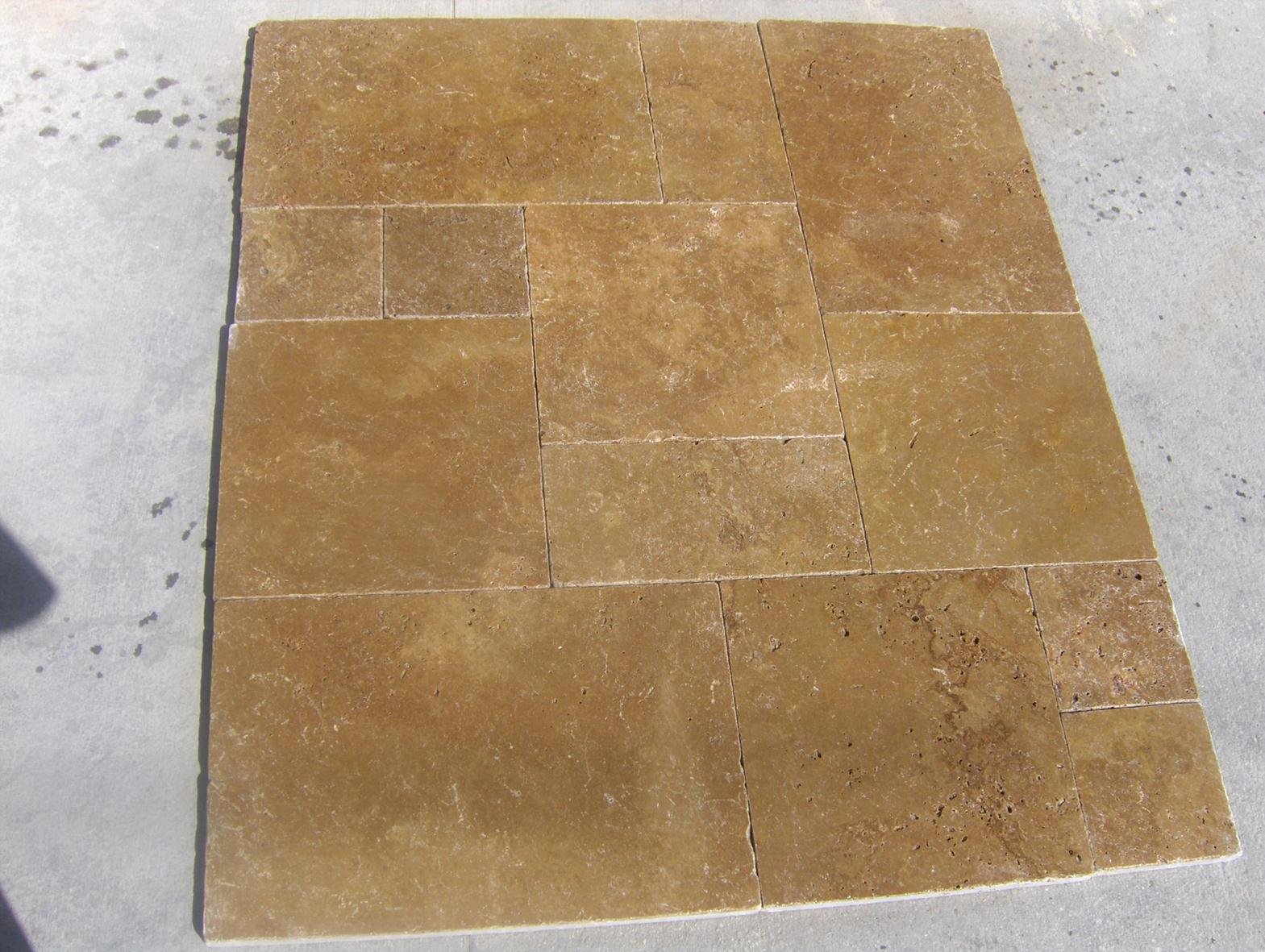
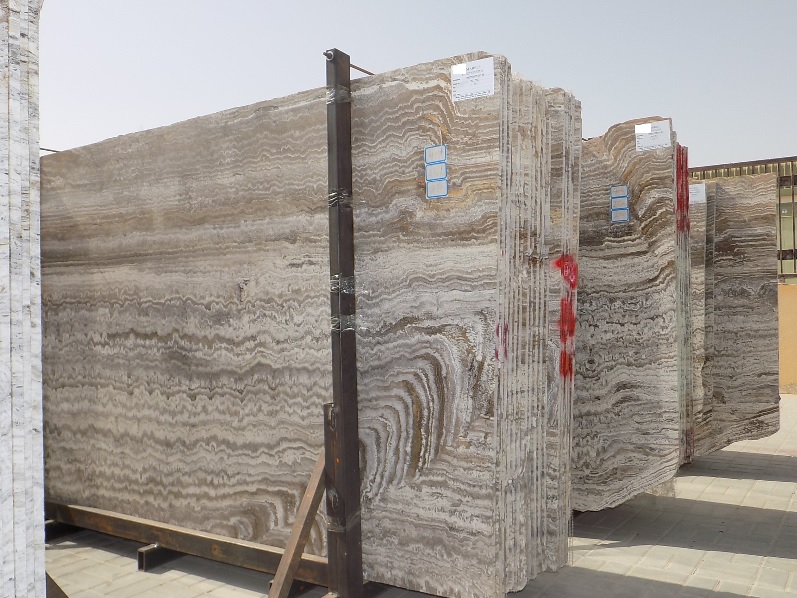
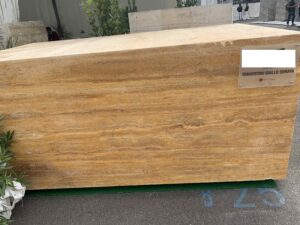
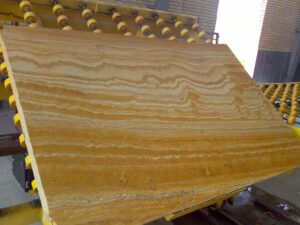
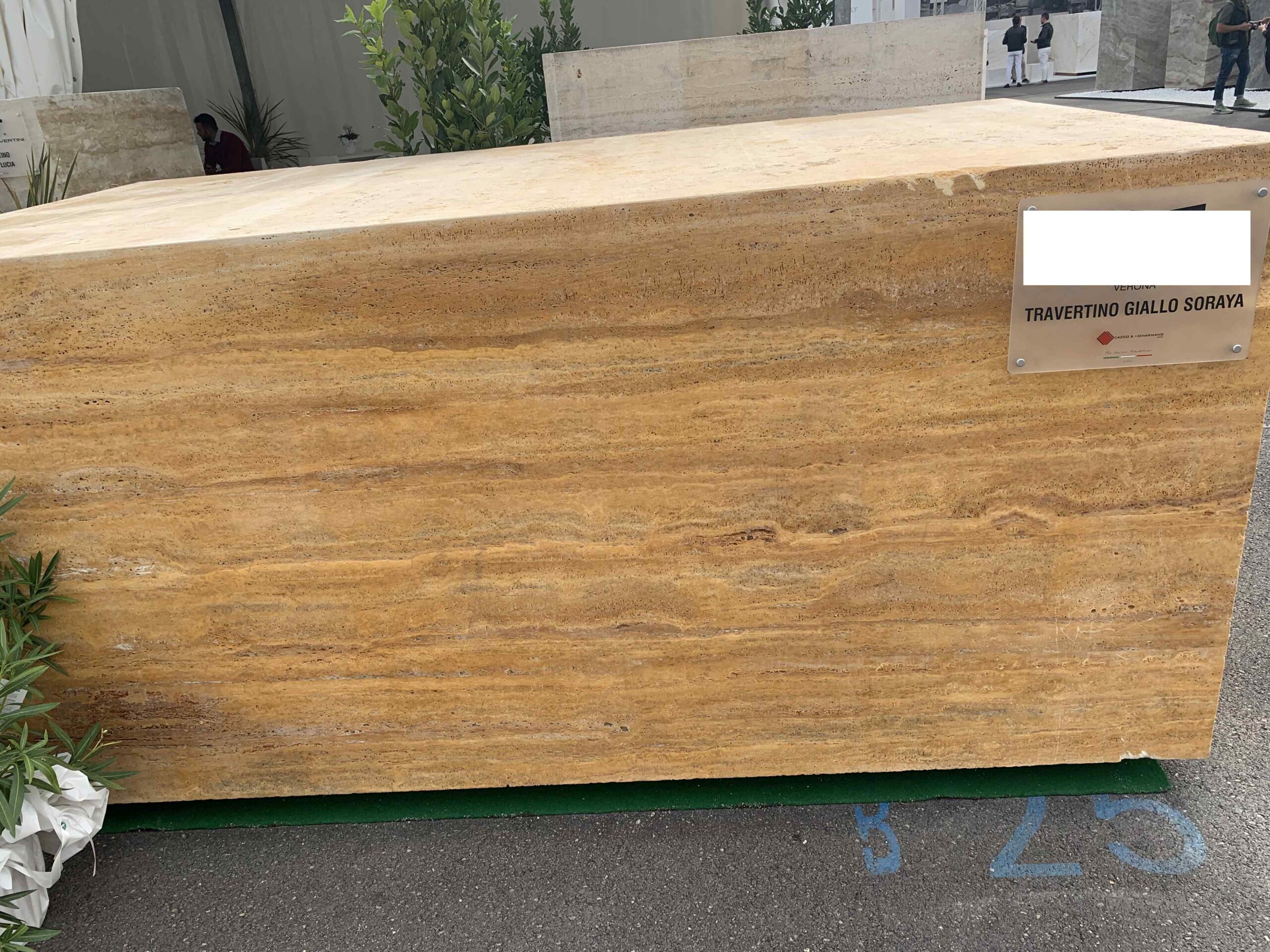
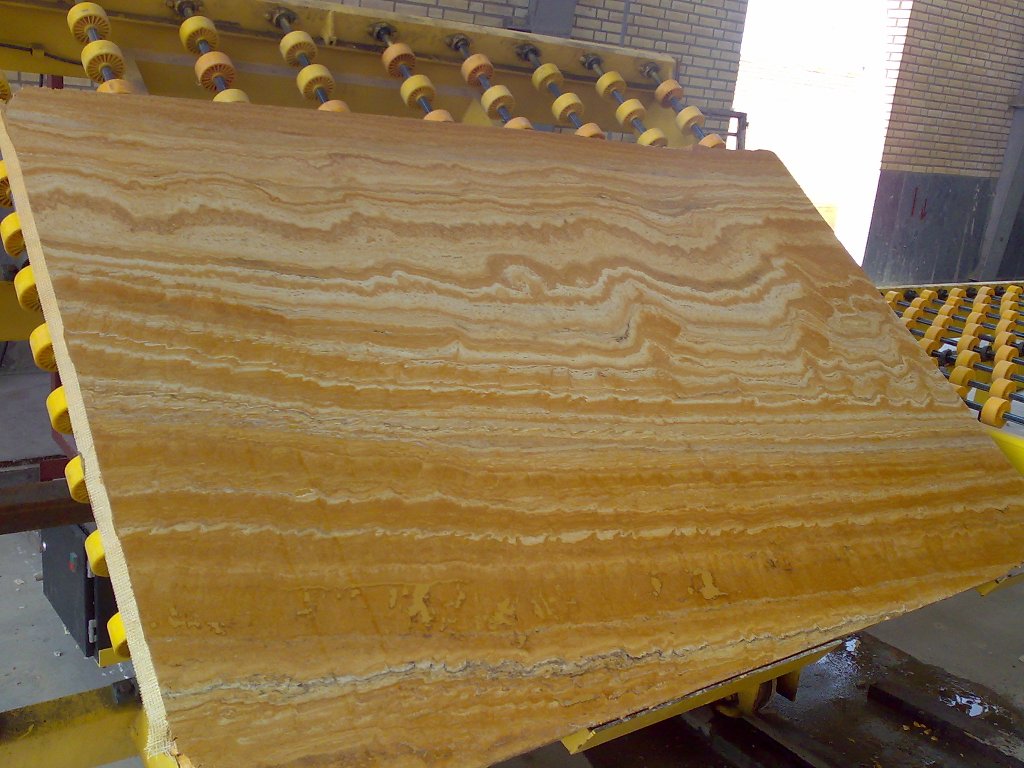
Travertine Gallery
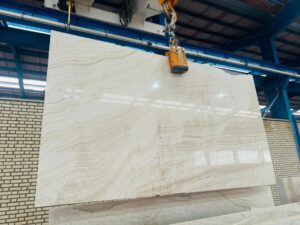
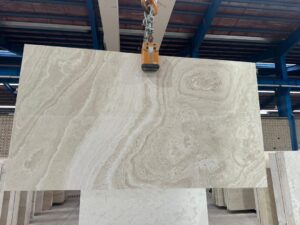
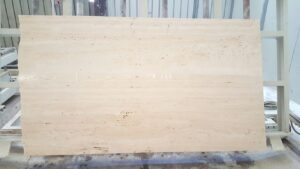
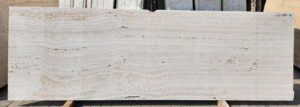
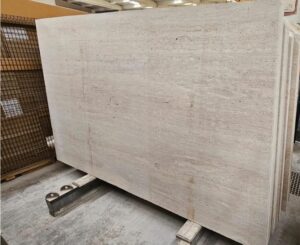
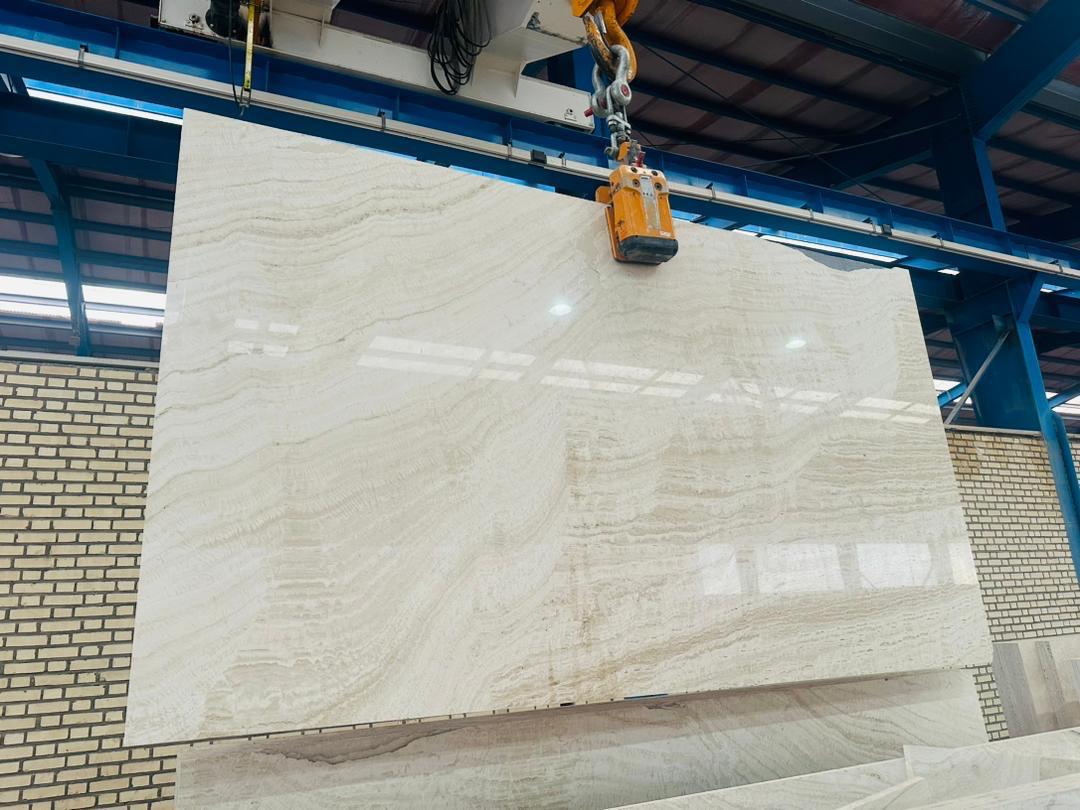
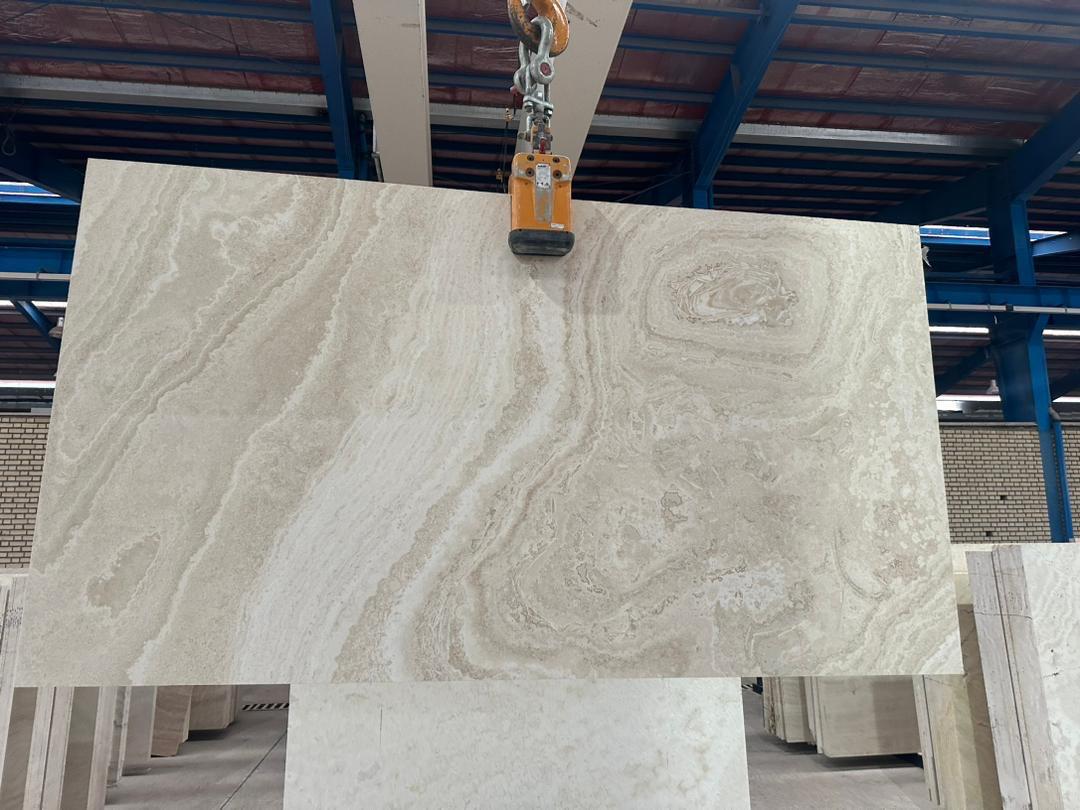
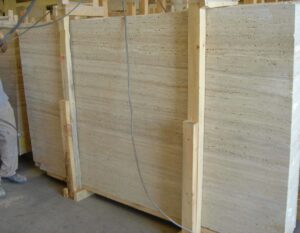
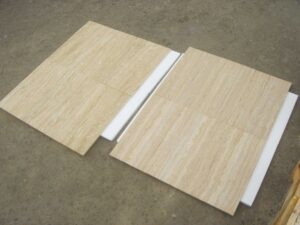
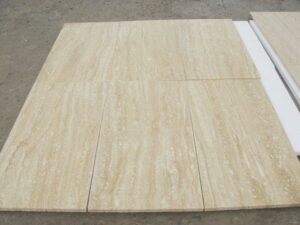
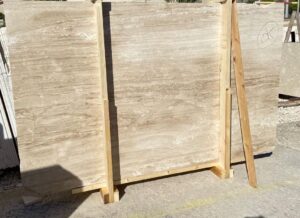
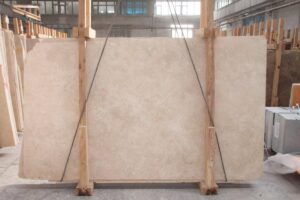
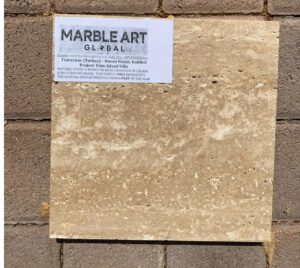
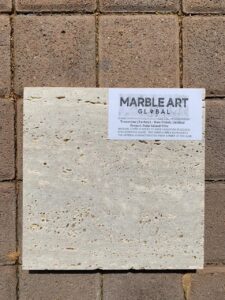
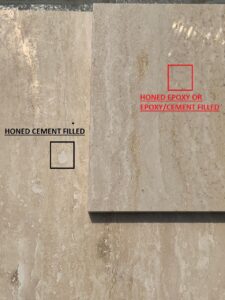
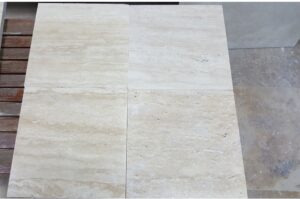
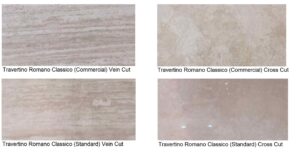
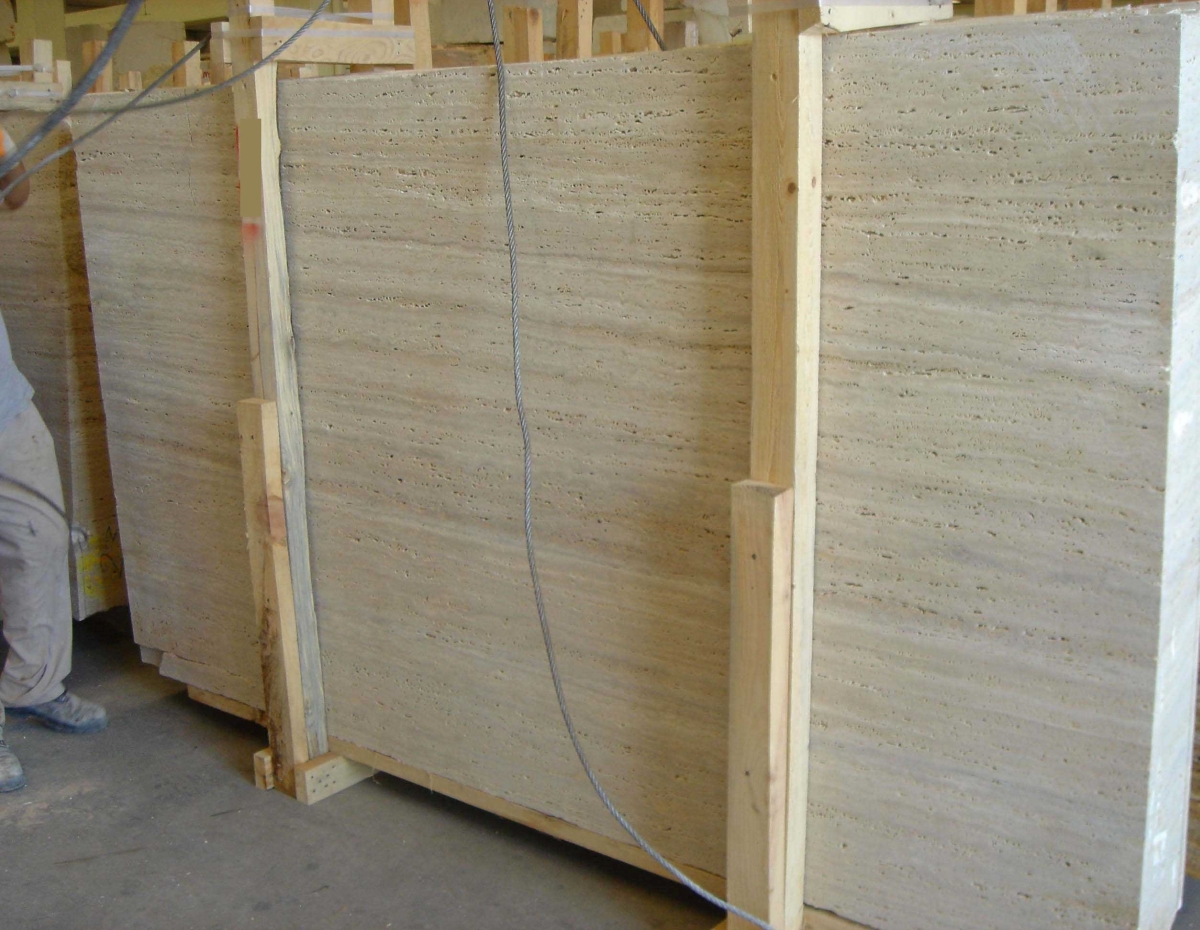
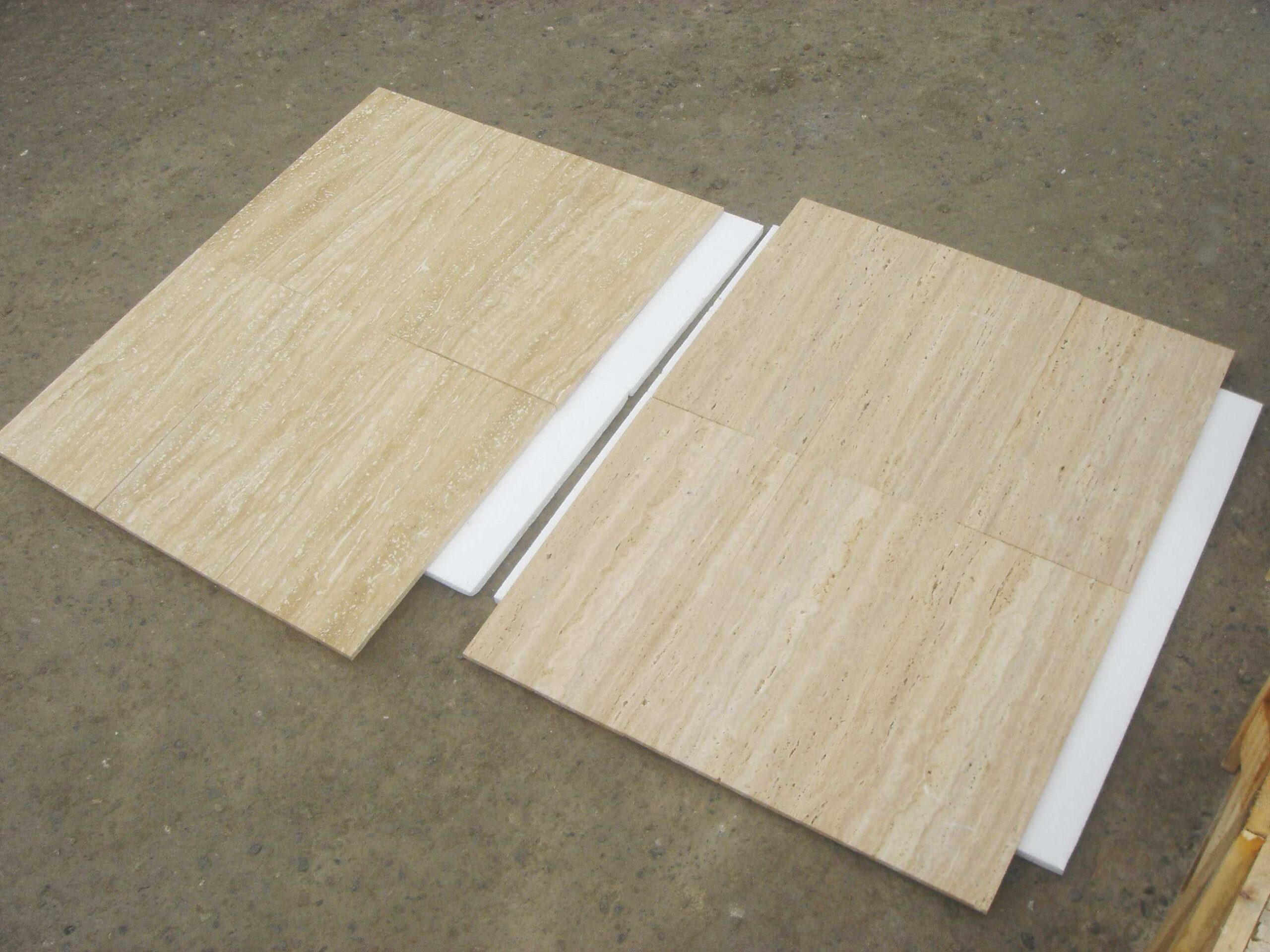
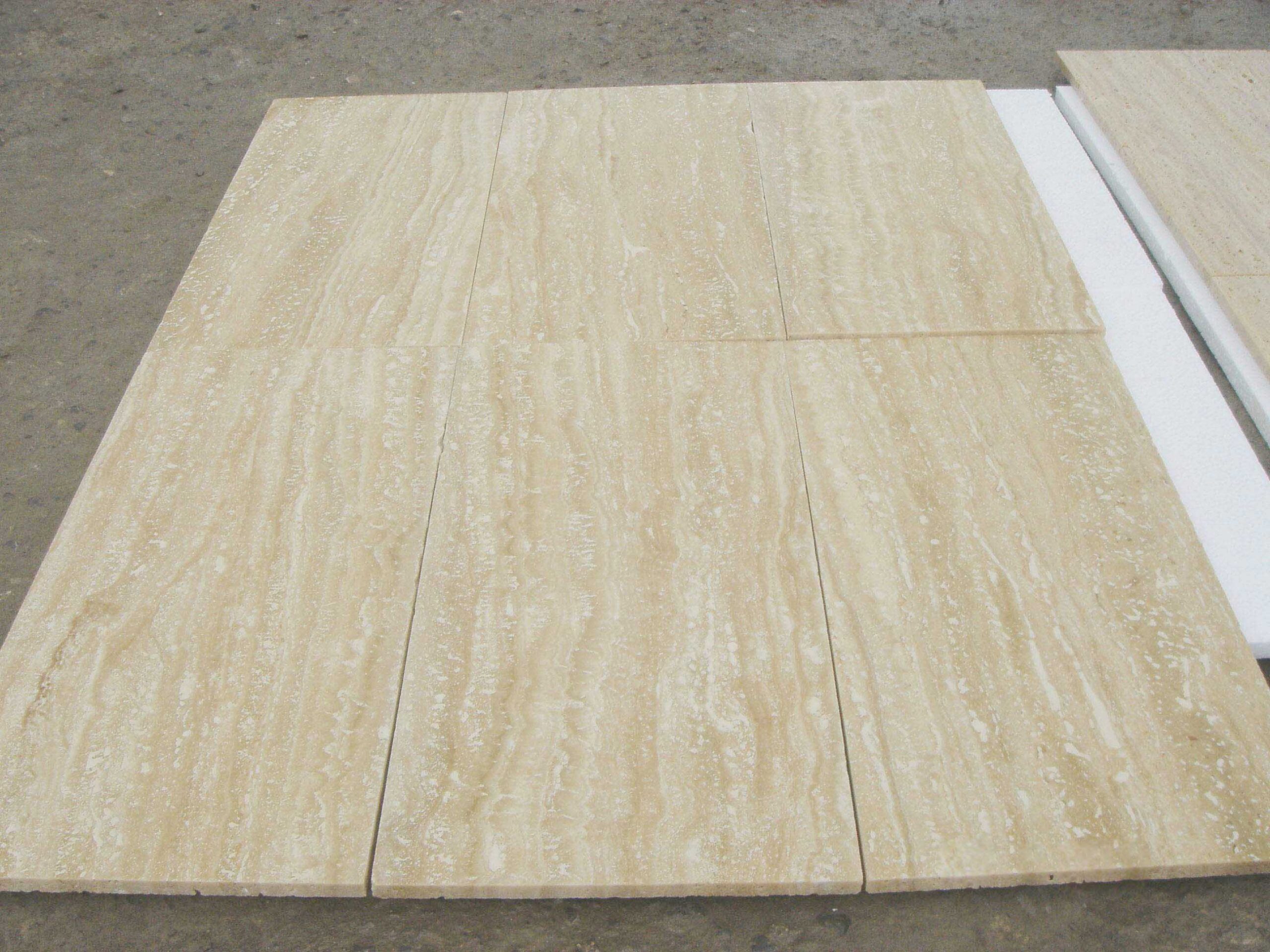
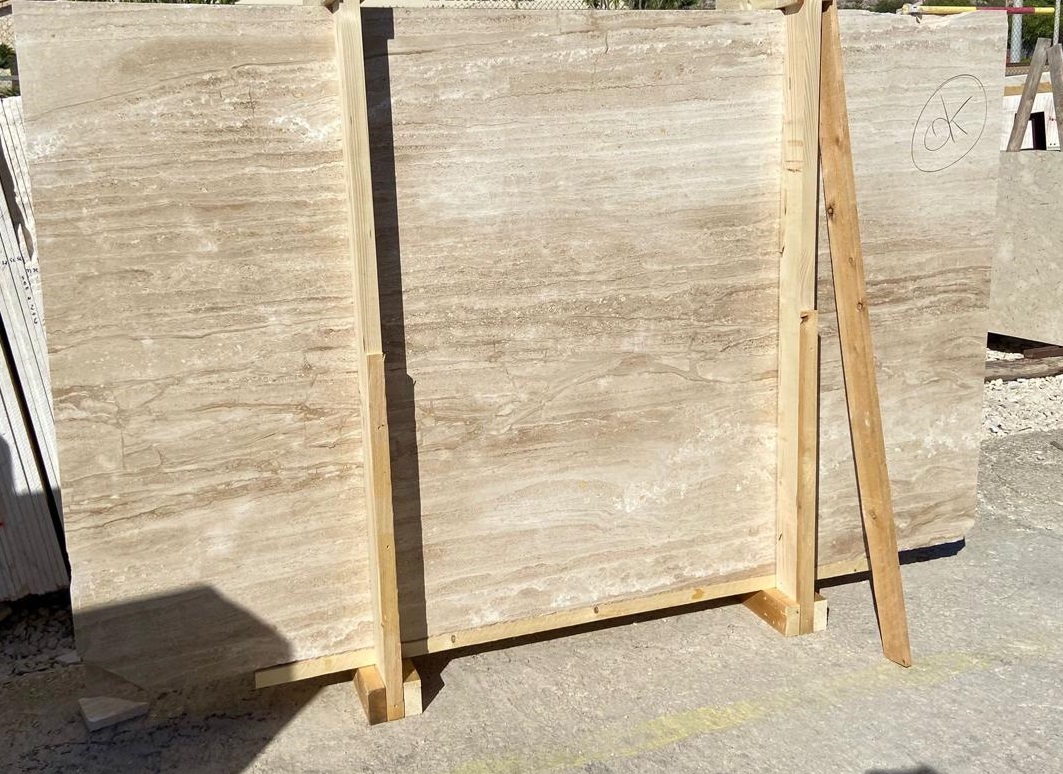
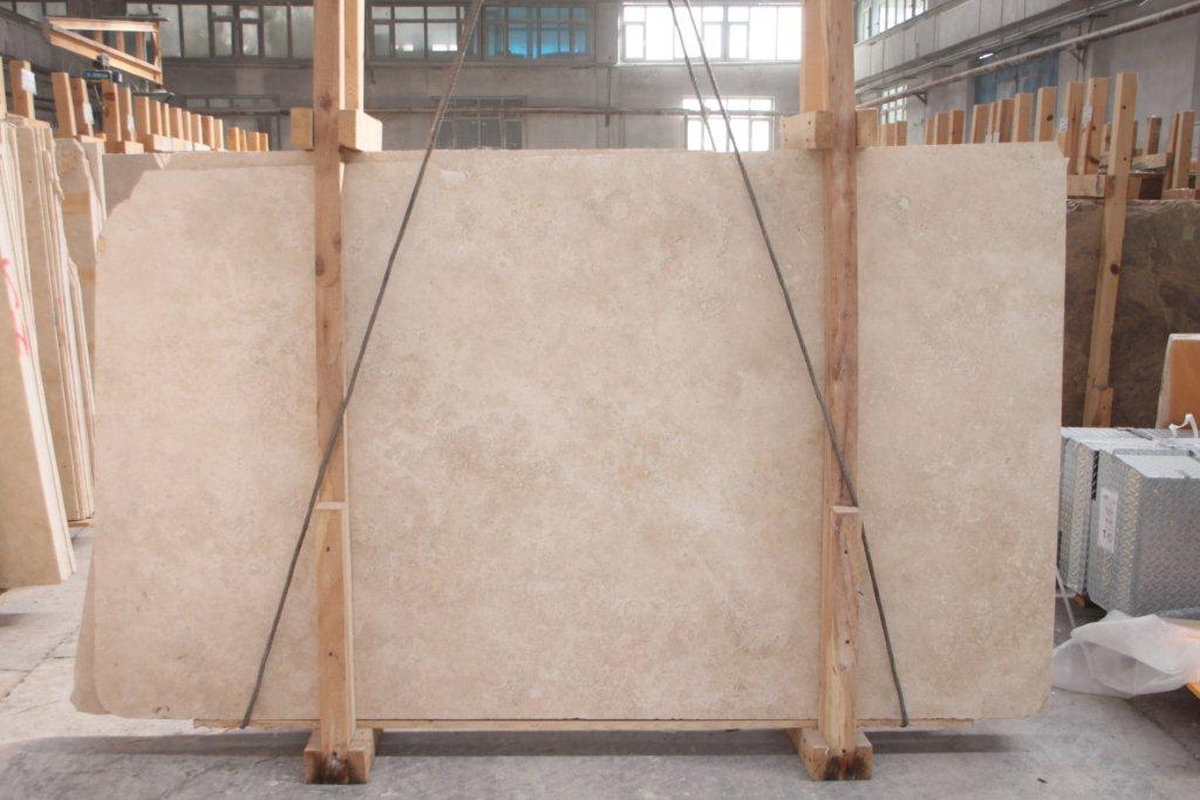
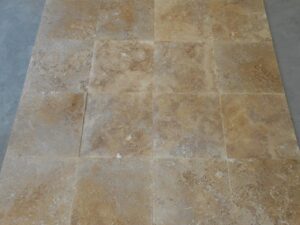
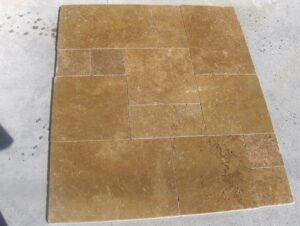
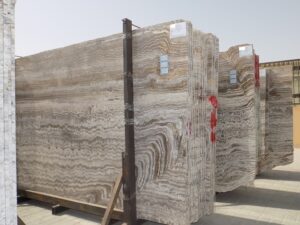
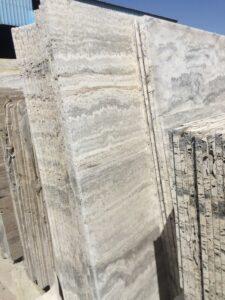
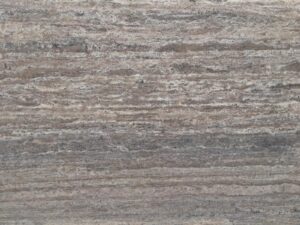
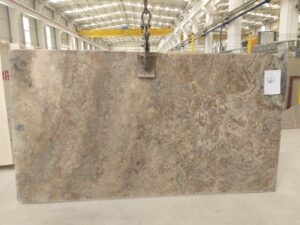
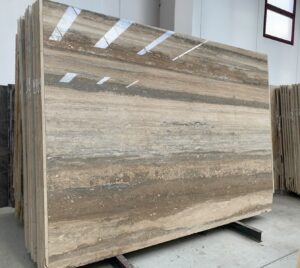
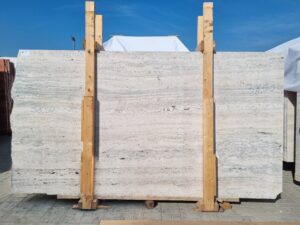
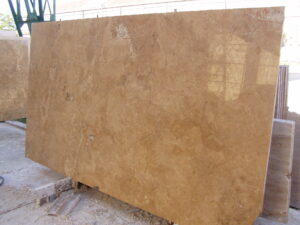
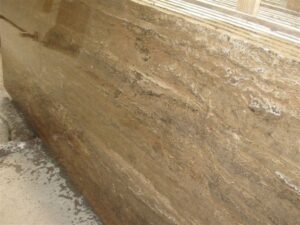
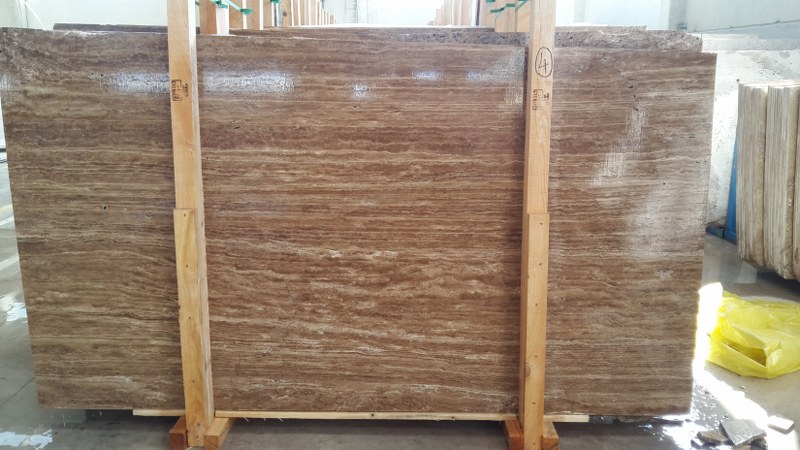
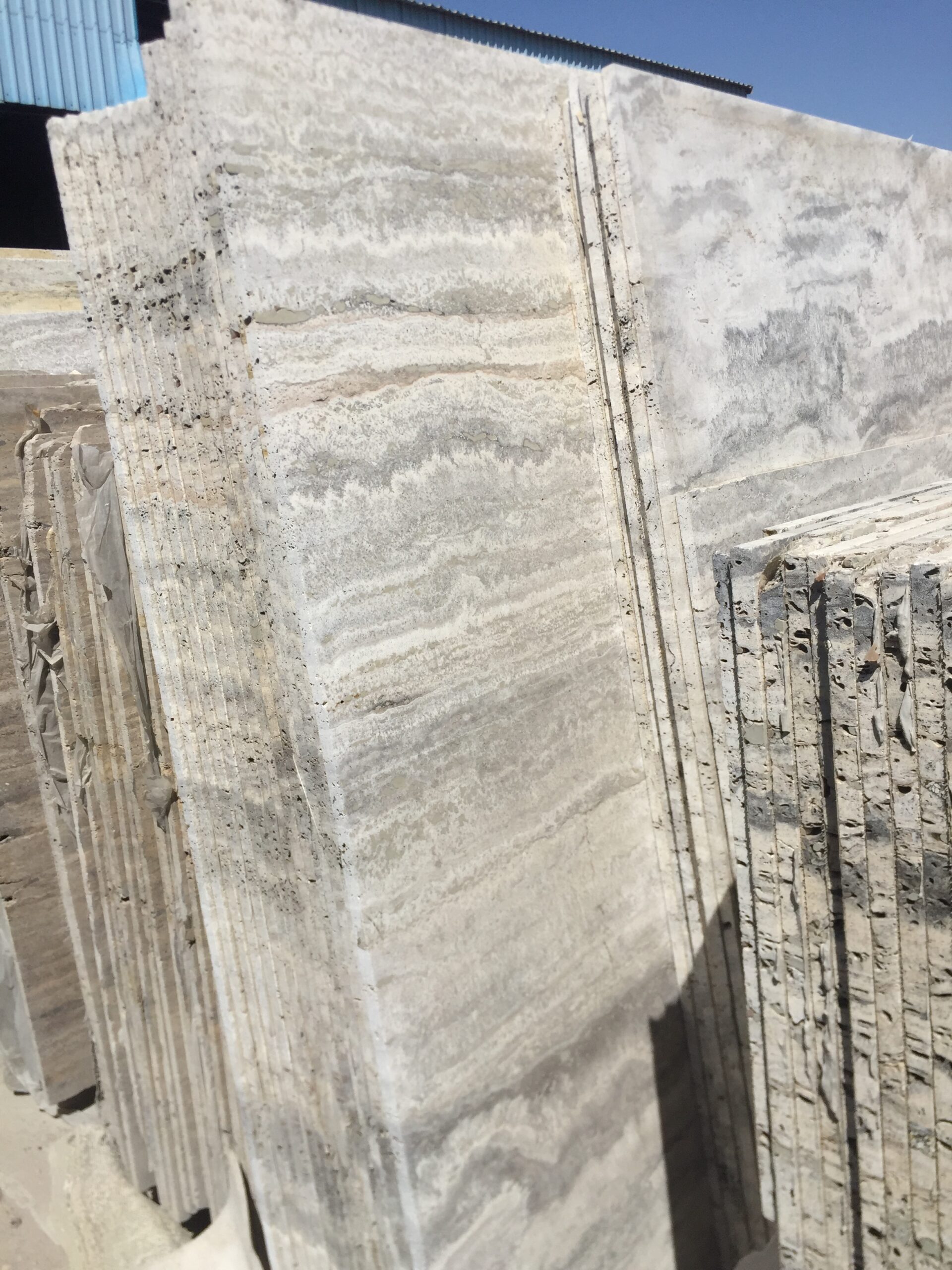
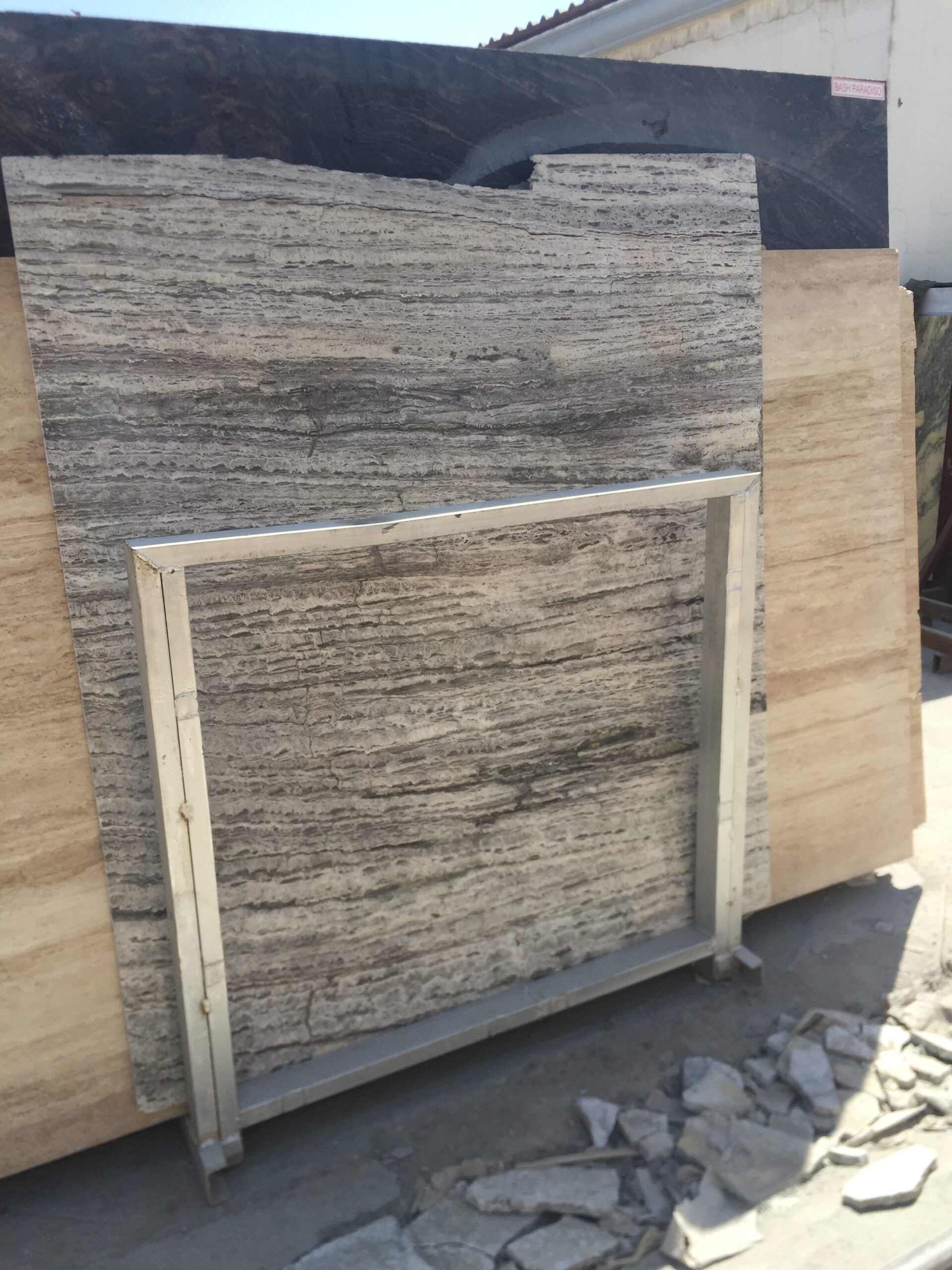
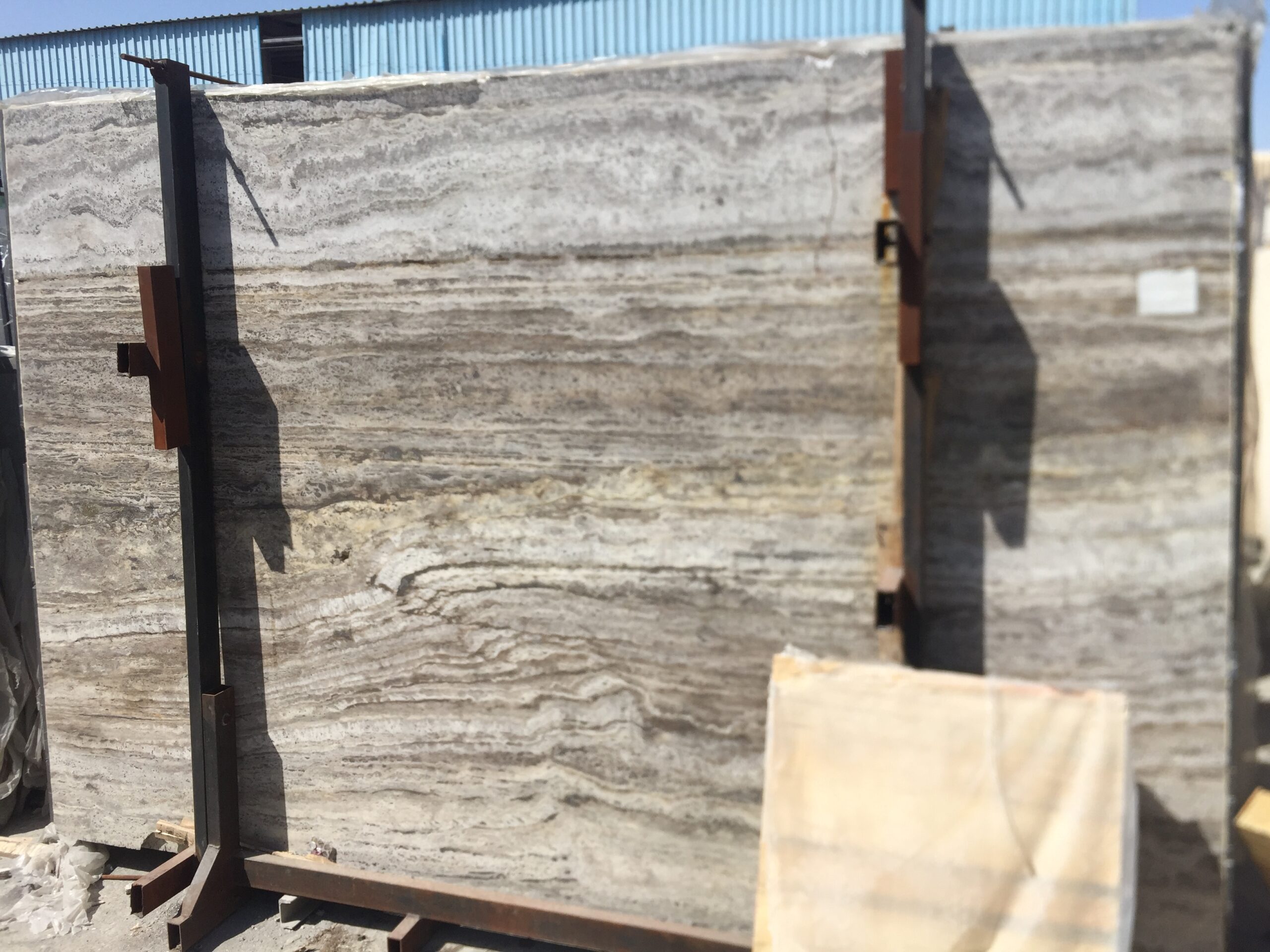
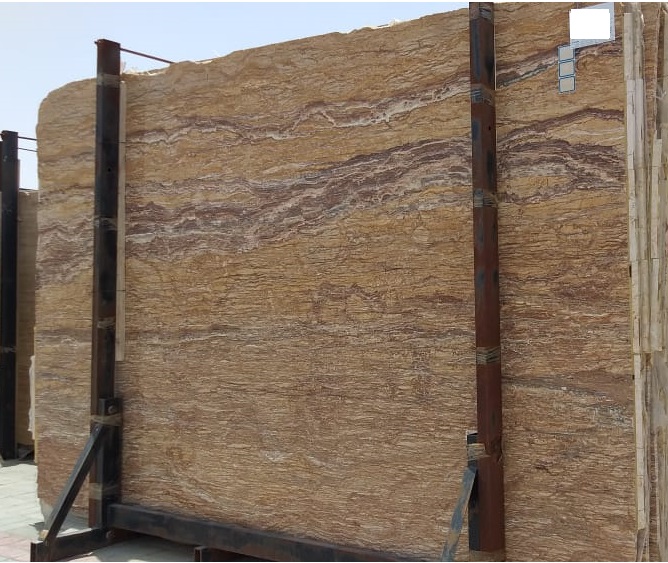
Request a Sample
Explore the possibilities of using travertine in your project. Request a Sample or Contact Us to discover the perfect finish and color for your design needs.