
Limestone
Limestone is a sedimentary rock and more porous than marble. In fact it is marble’s “older sibling”. A combination of shells and sand forming on the shores and sea beds solidifying over time. Like marble, it was either formed in Precambrian or Palezoic Eras (between 540 million and 4,6 billion years ago).
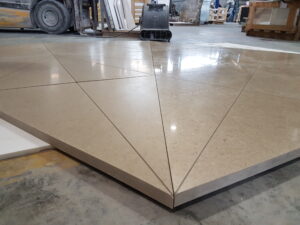
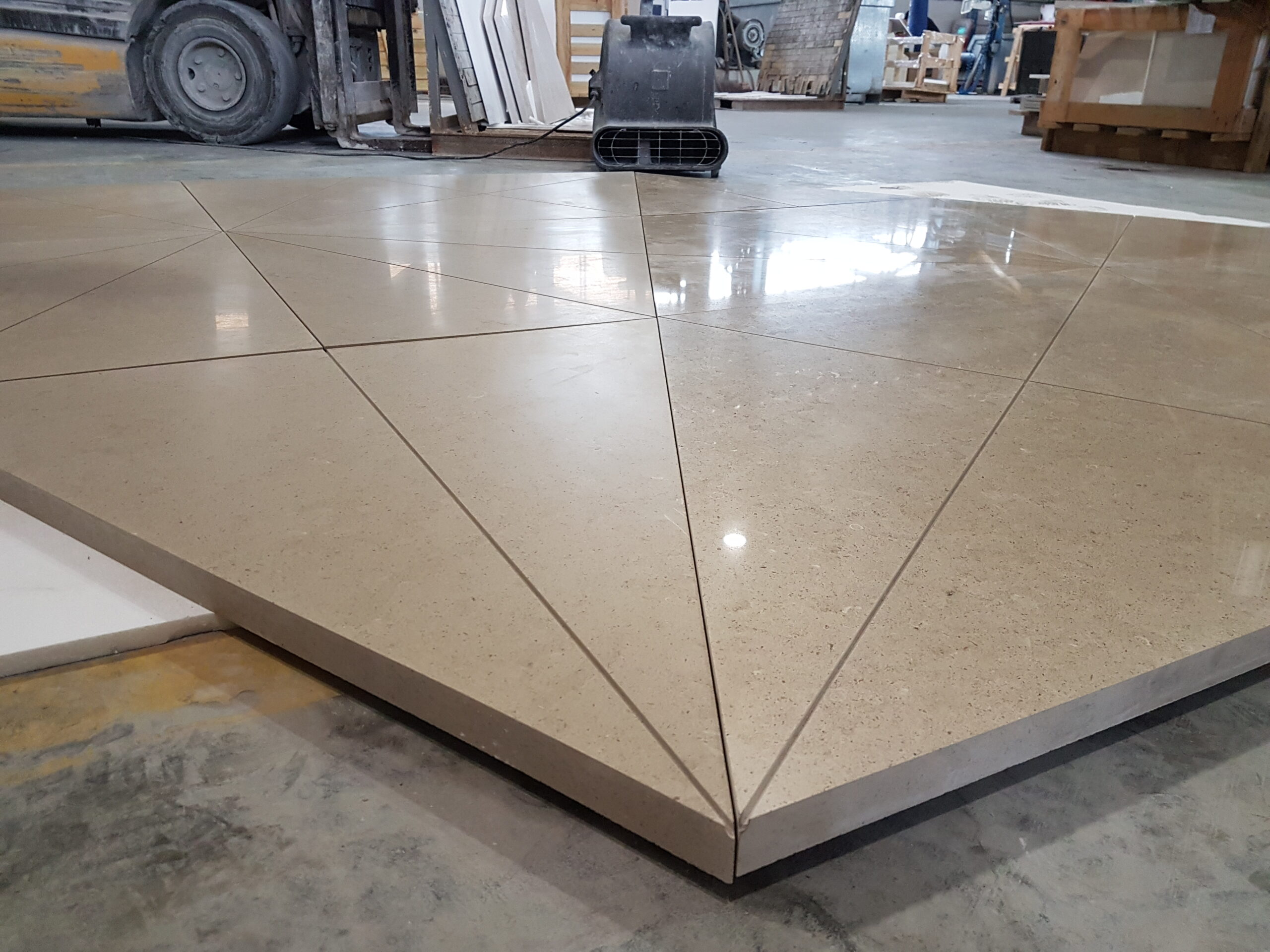
They can only achieve 70% polished shine (high satin finish) compared to marble.
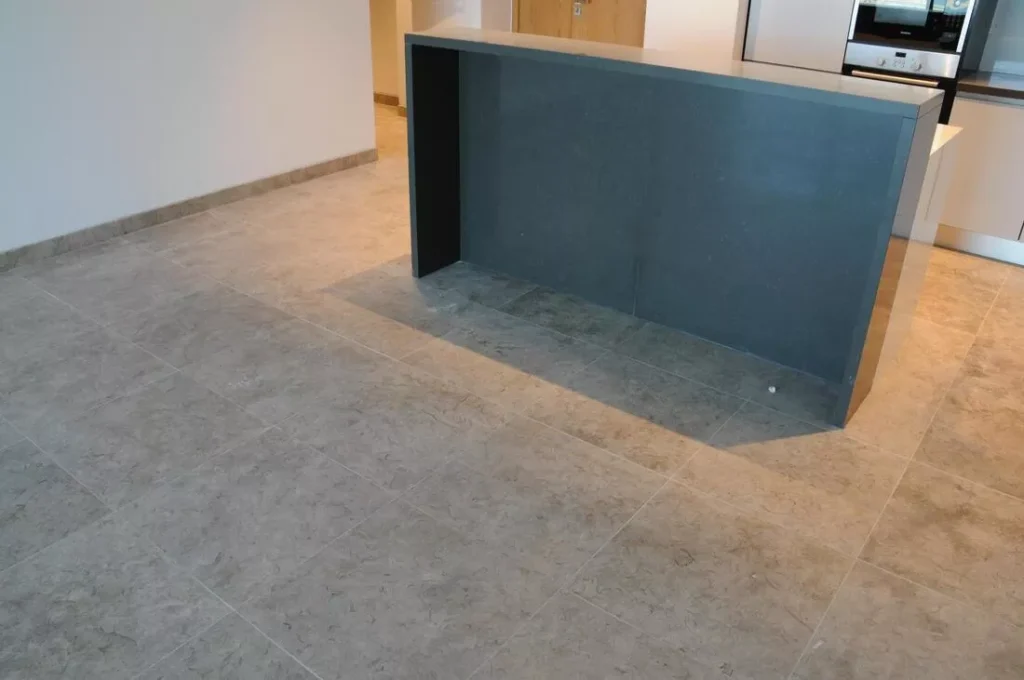
Formation and Characteristics
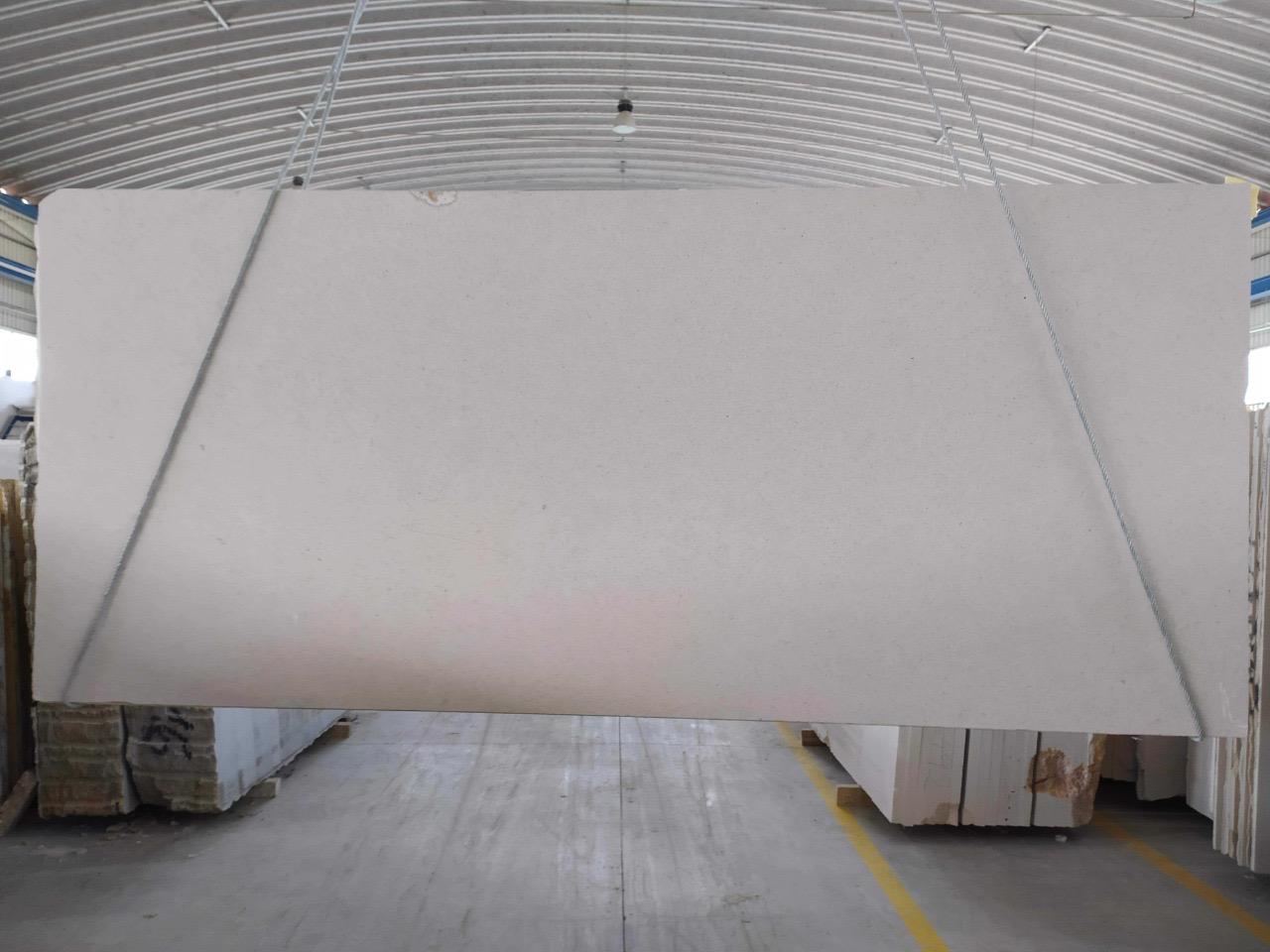
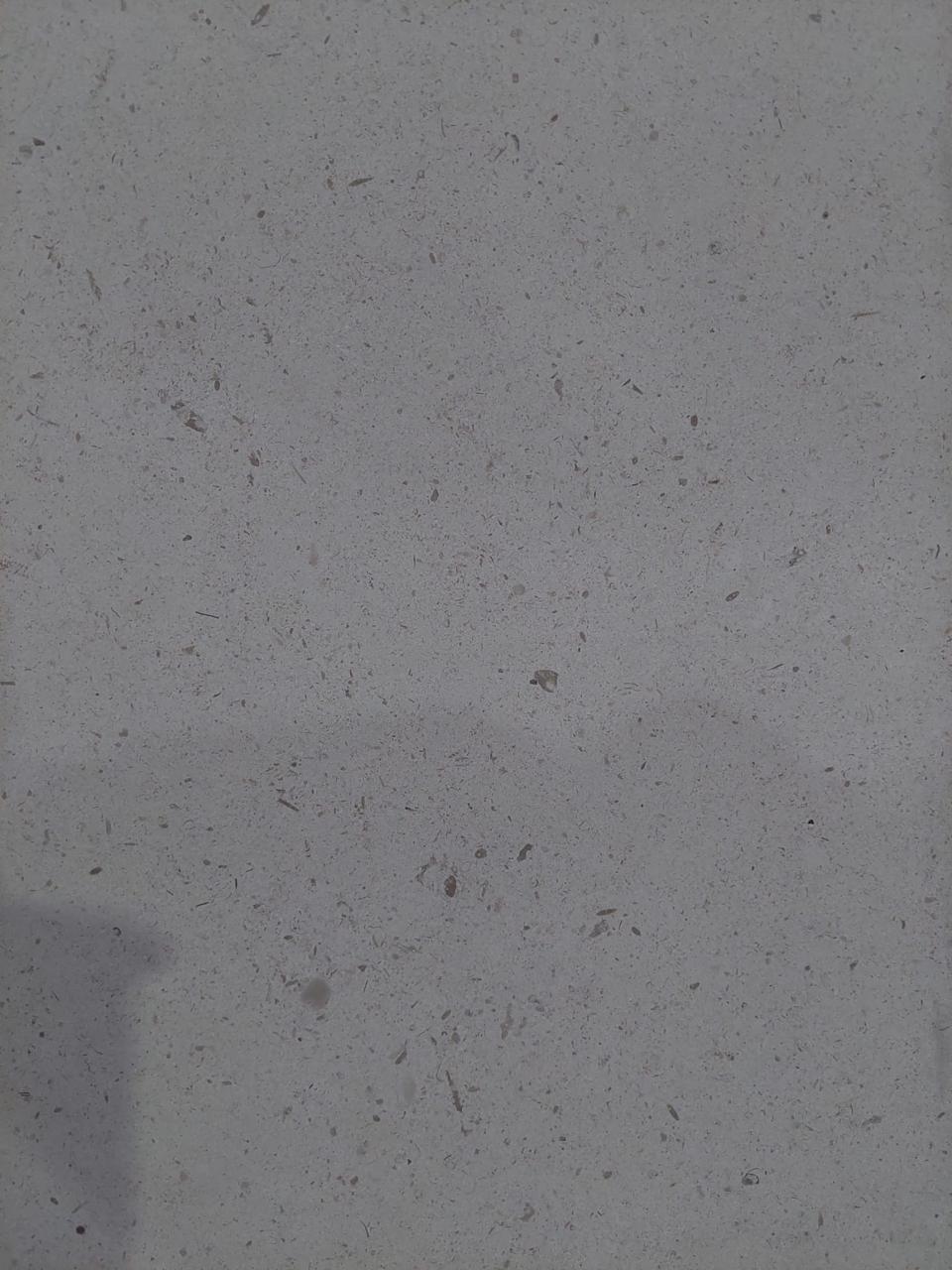
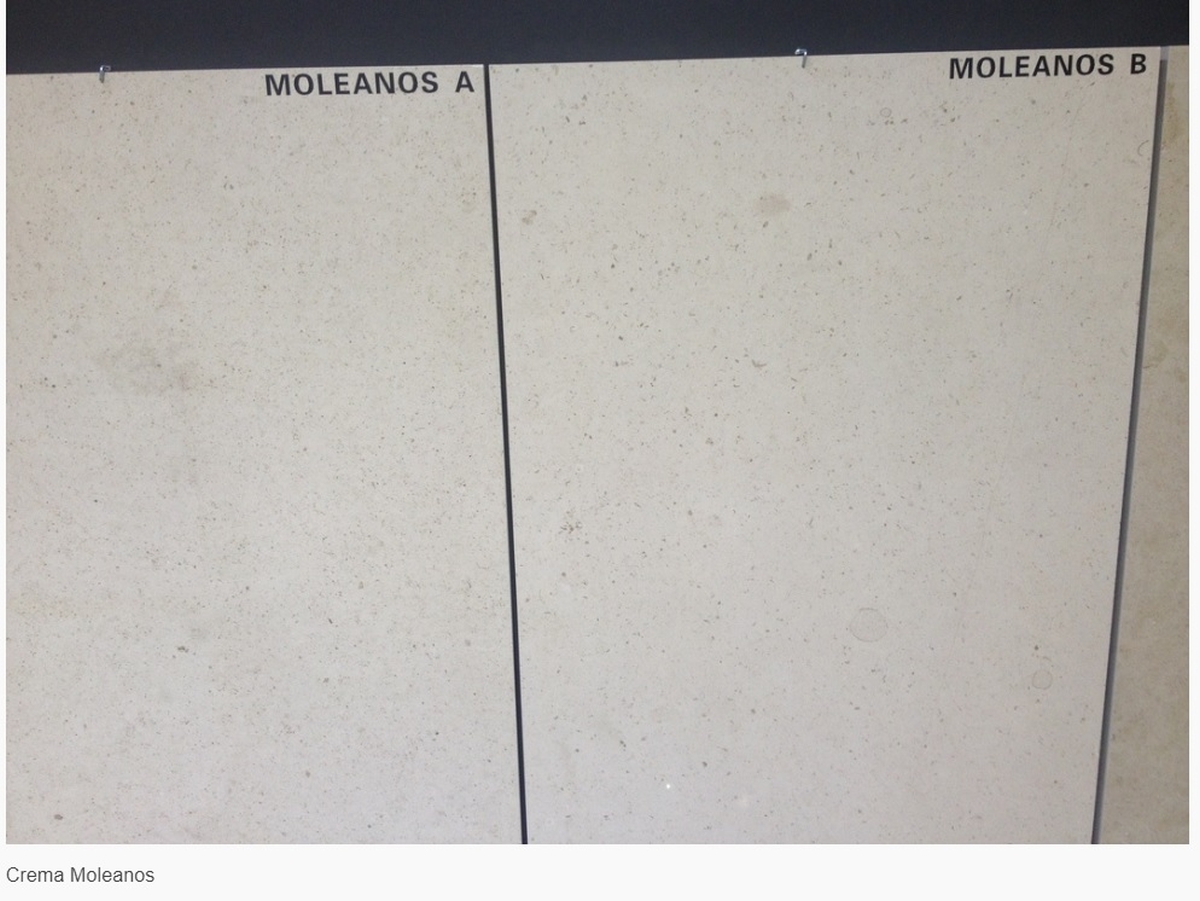
Limestone is formed through the compression of shells and sand on shores and seabeds over millions of years. Due to its porous nature, limestone is more absorbent than marble, but it still retains its own distinctive beauty and texture. This stone is commonly found in neutral colors such as beige, white and grey, making it a versatile option for many projects.
As the density of limestone decreases from heavy to low, the stone becomes more porous, leading to an increase in water absorption, which ranges between 3% and 12% depending on the category.
For technical details about its performance in construction, refer to the ASTM Tests page for in-depth information.
Finishes and Polishing
Categories and Density
Limestone is classified into three categories based on its density:
Ideal Applications
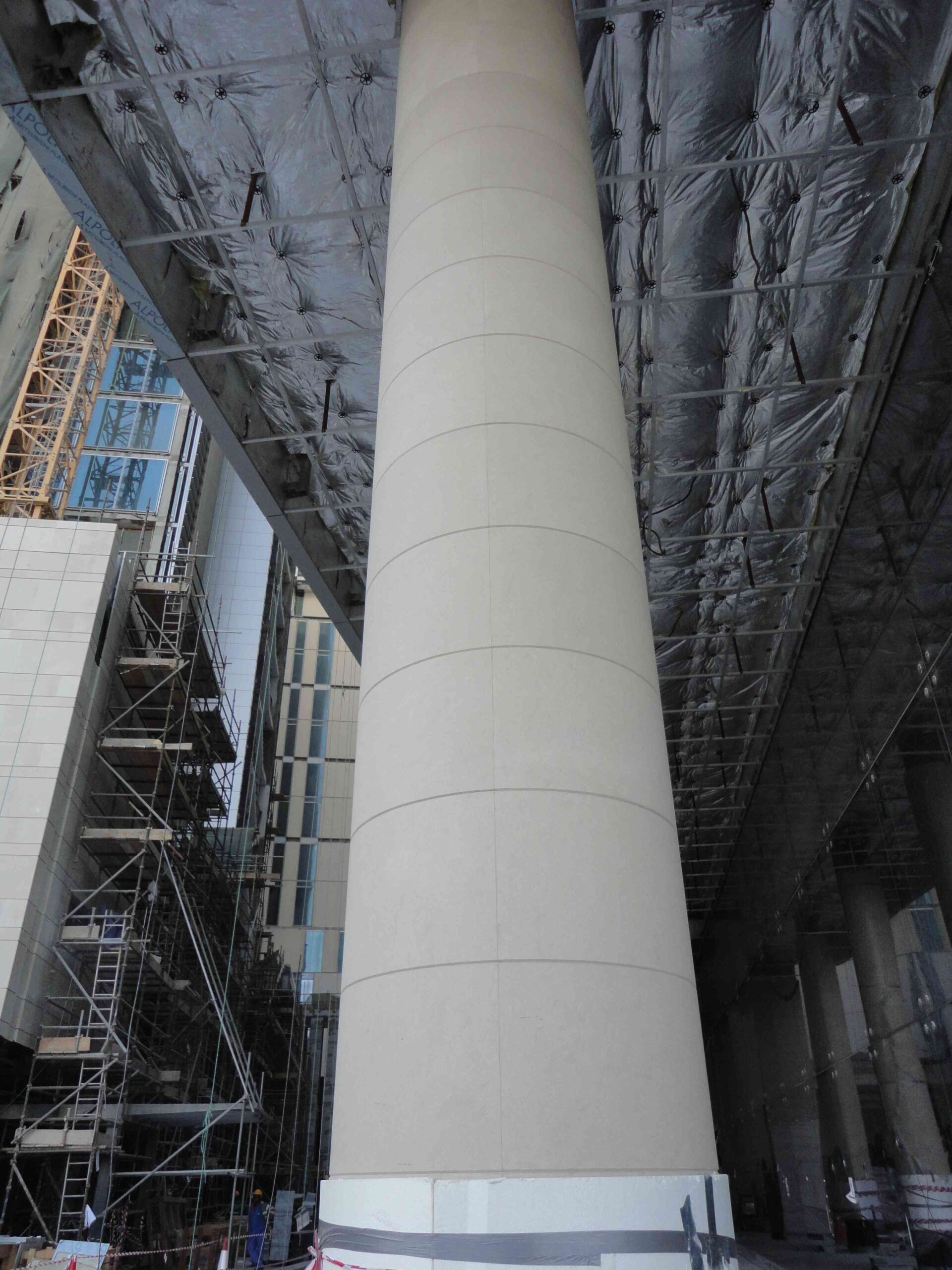
Limestone is a versatile material suited for a variety of indoor and outdoor uses, such as:
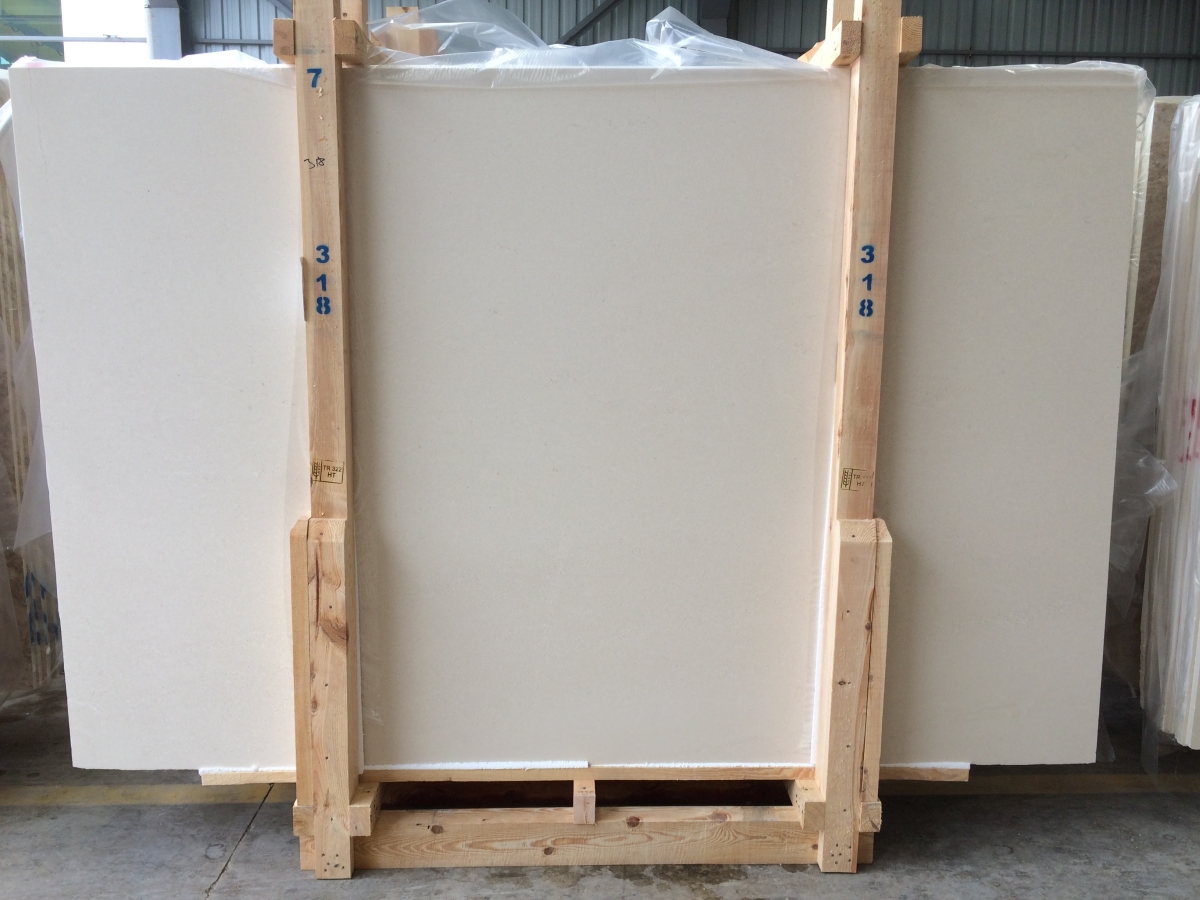
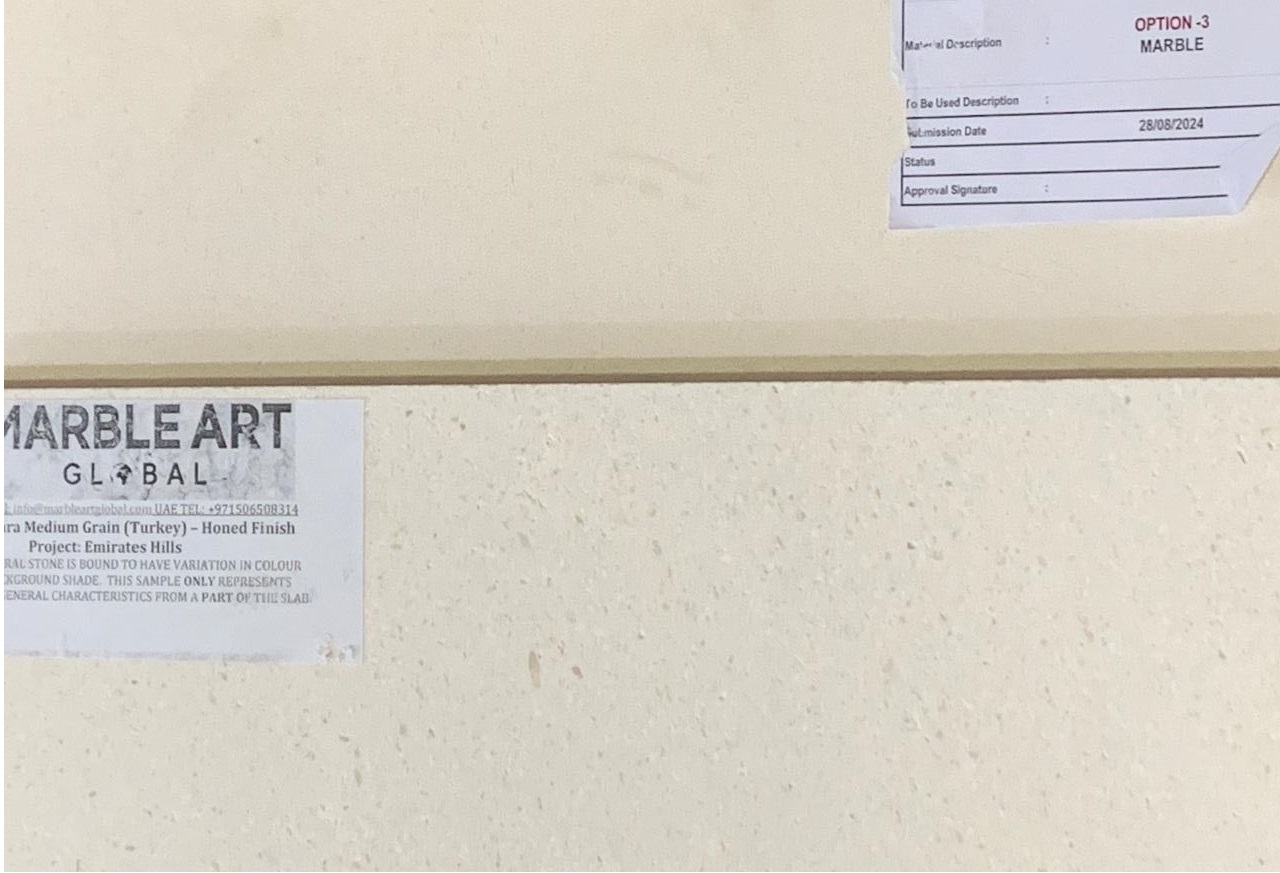
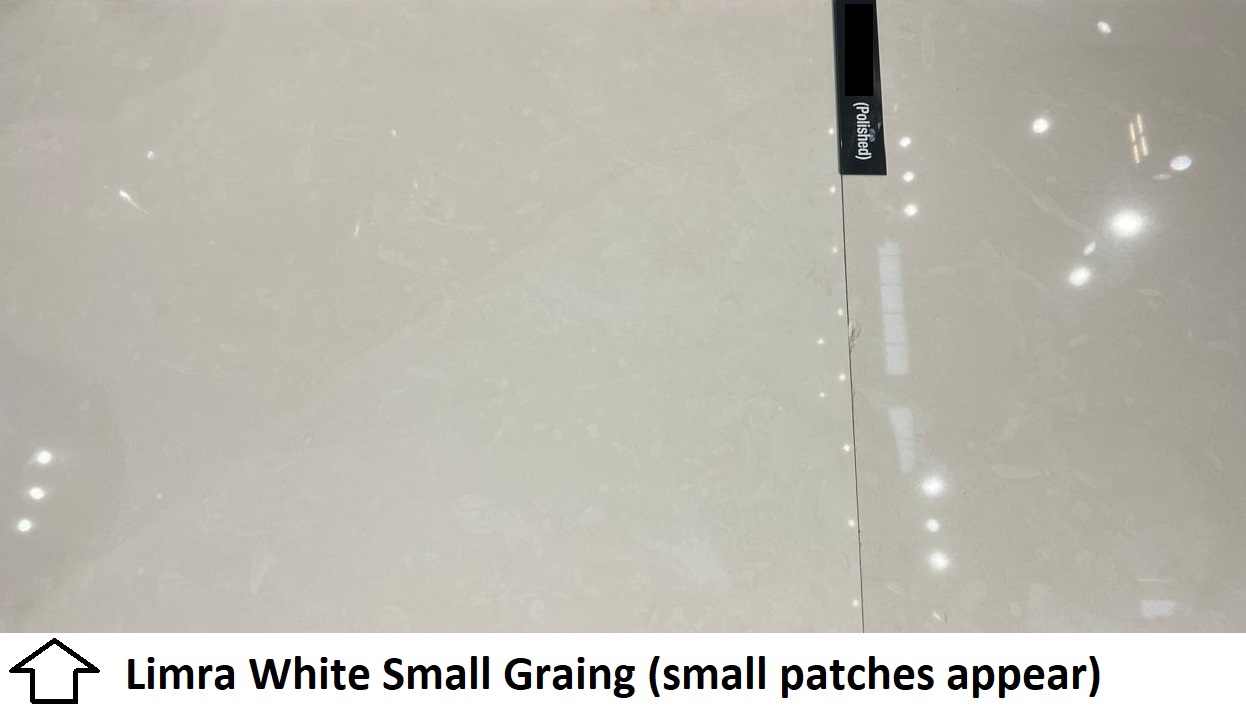
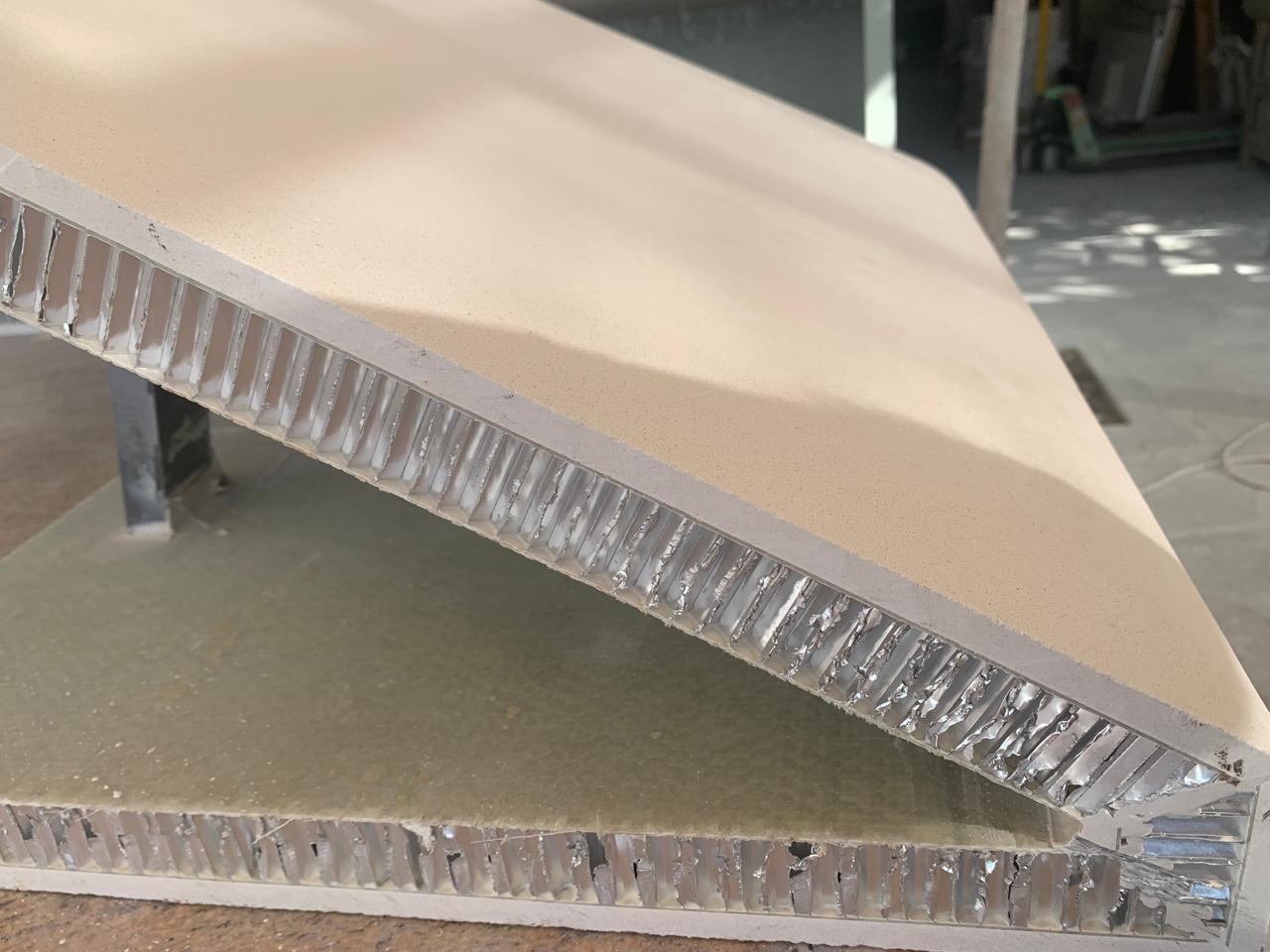
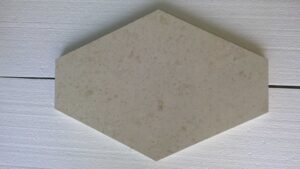
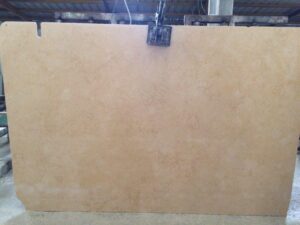
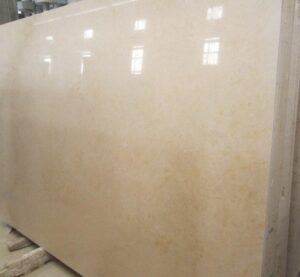
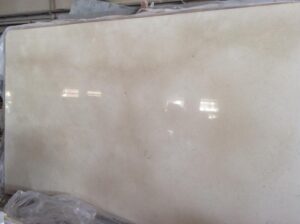
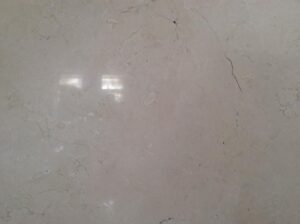
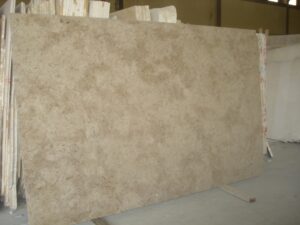
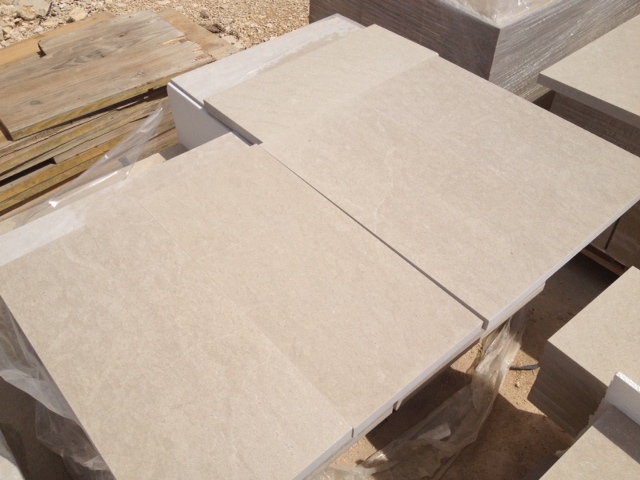
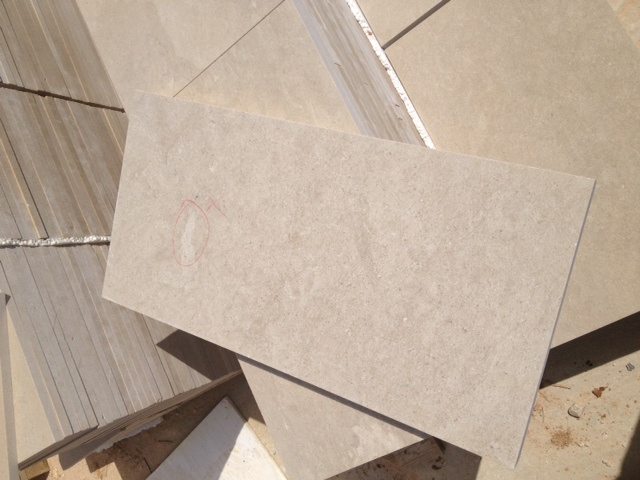
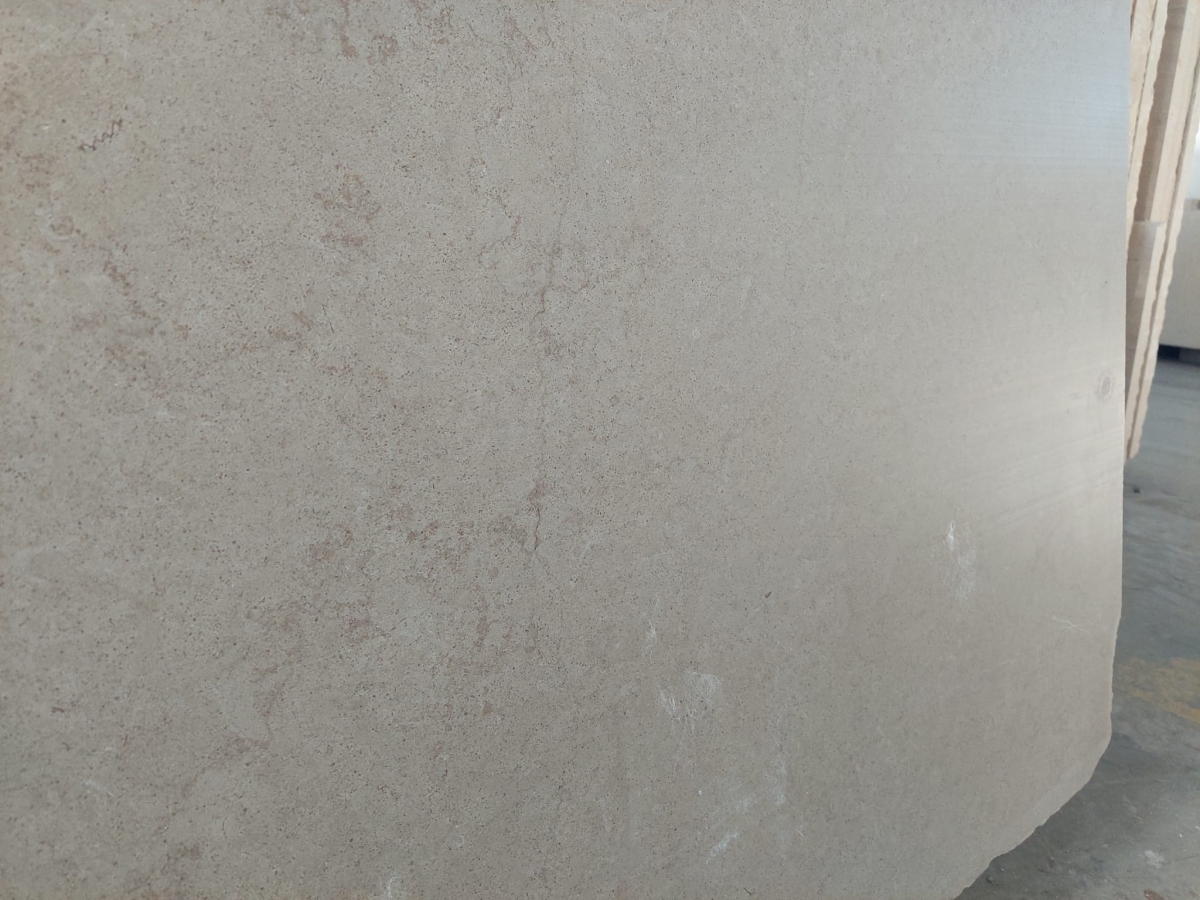
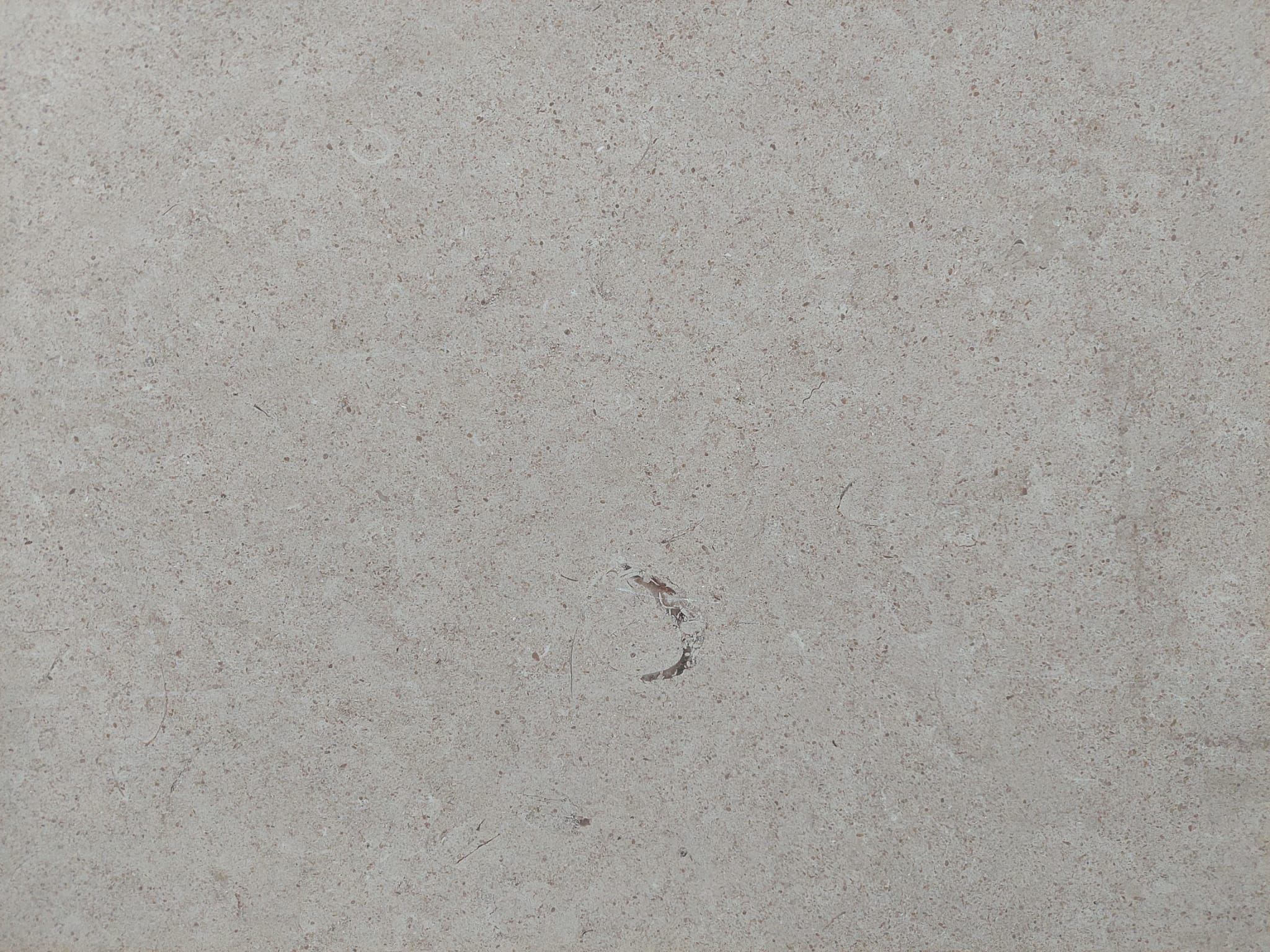
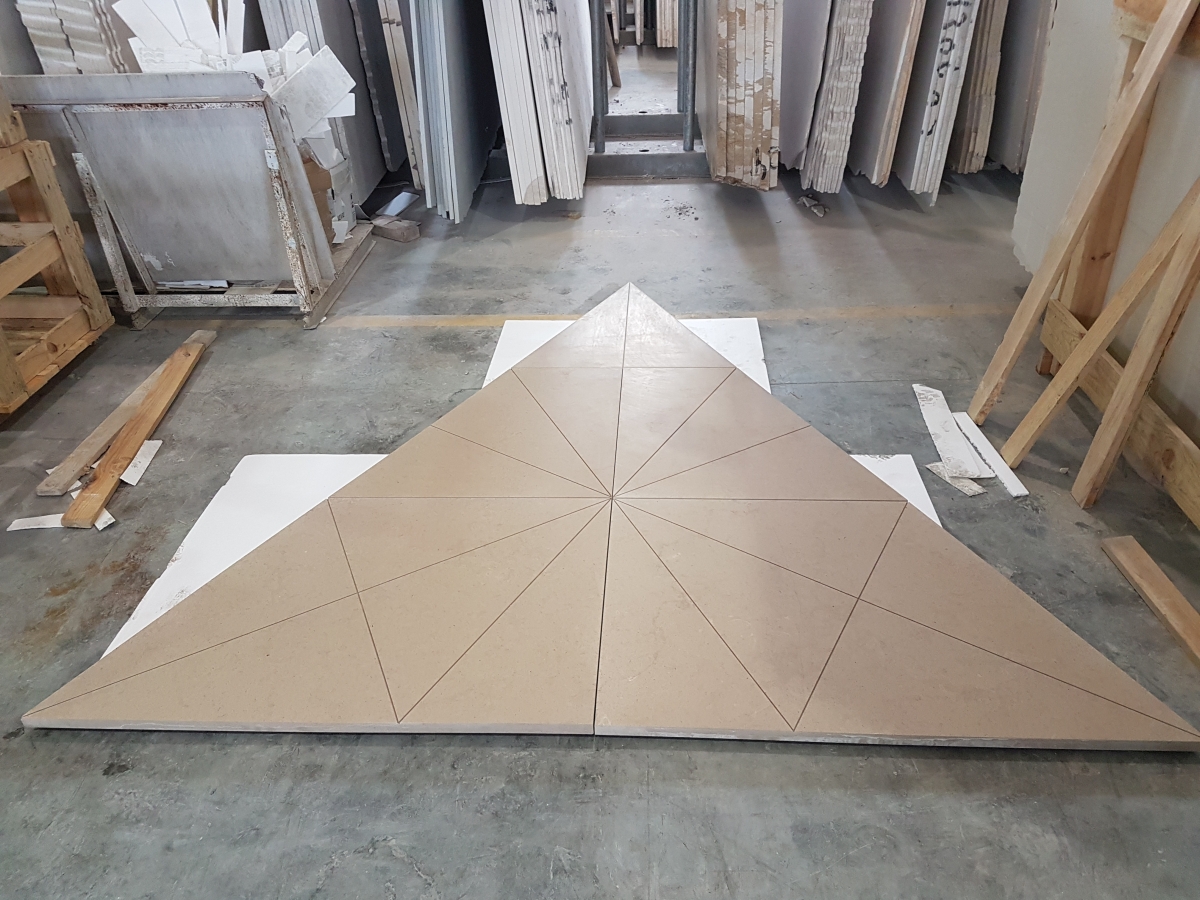
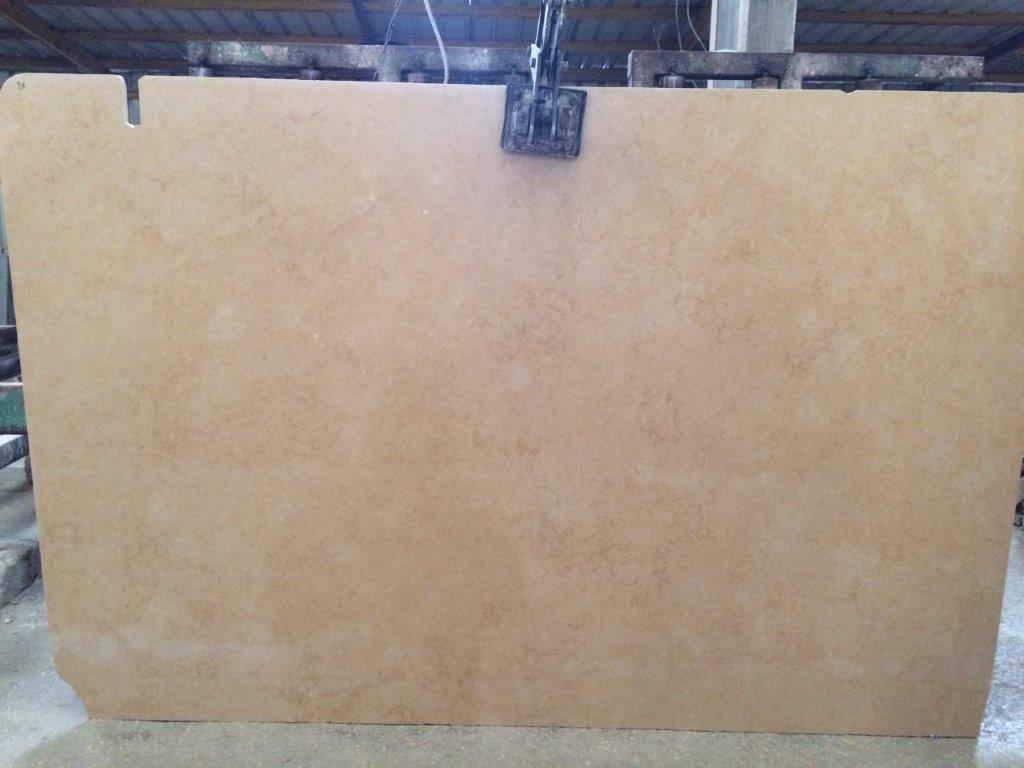
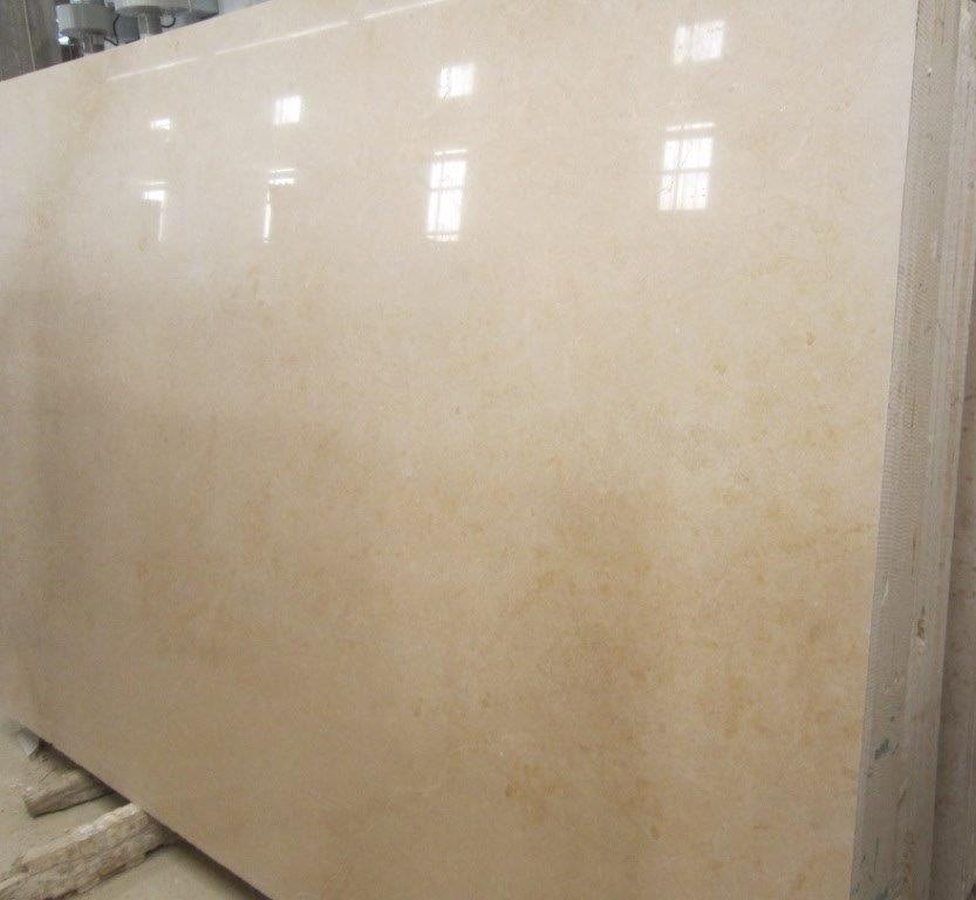
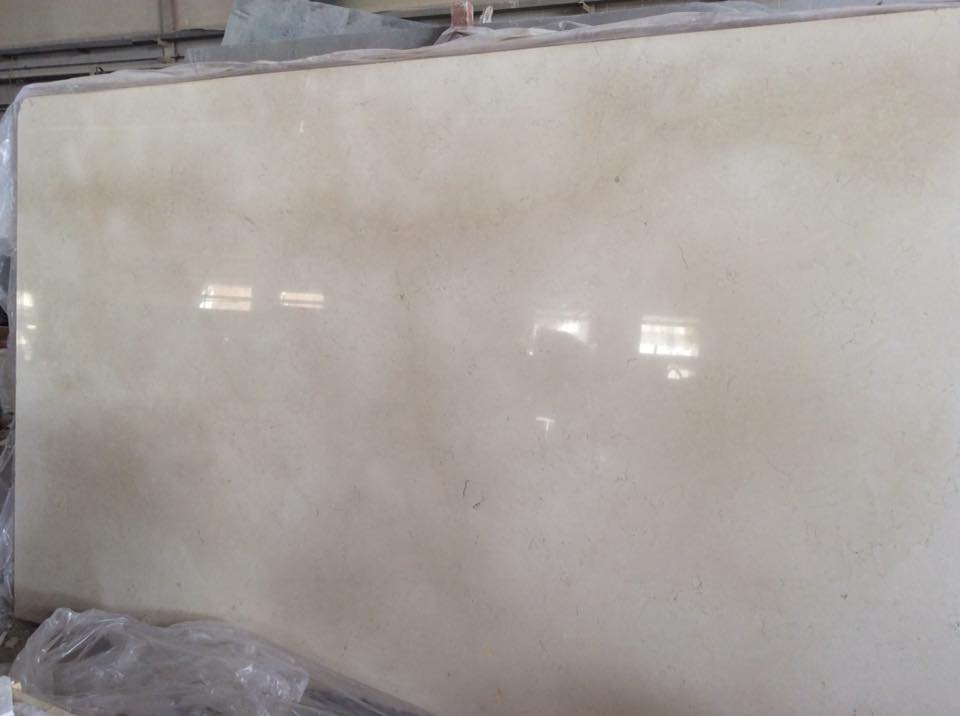
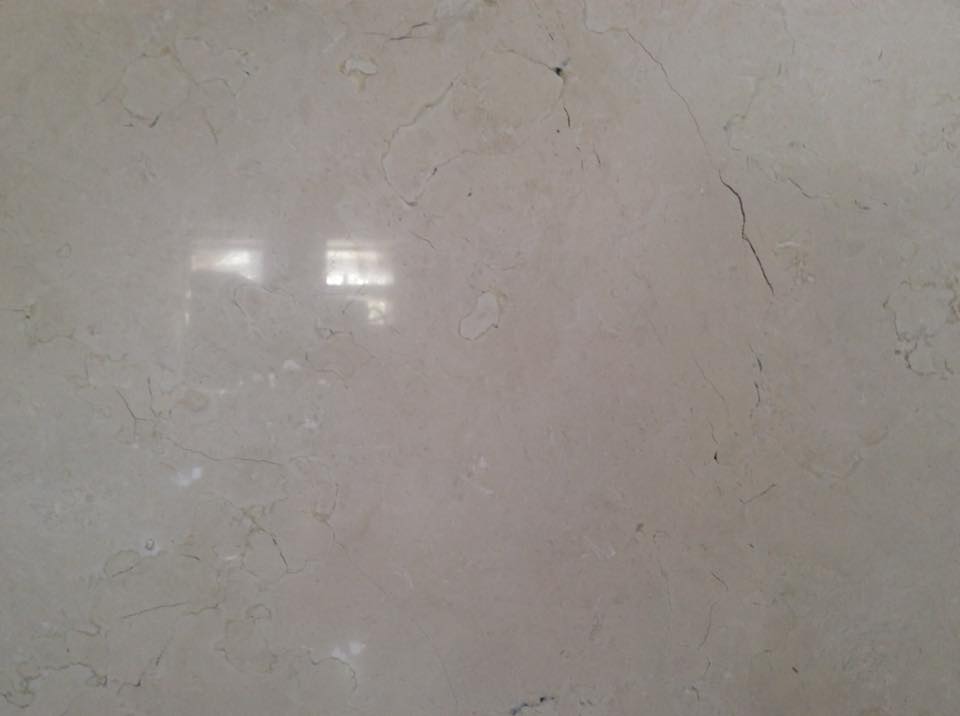
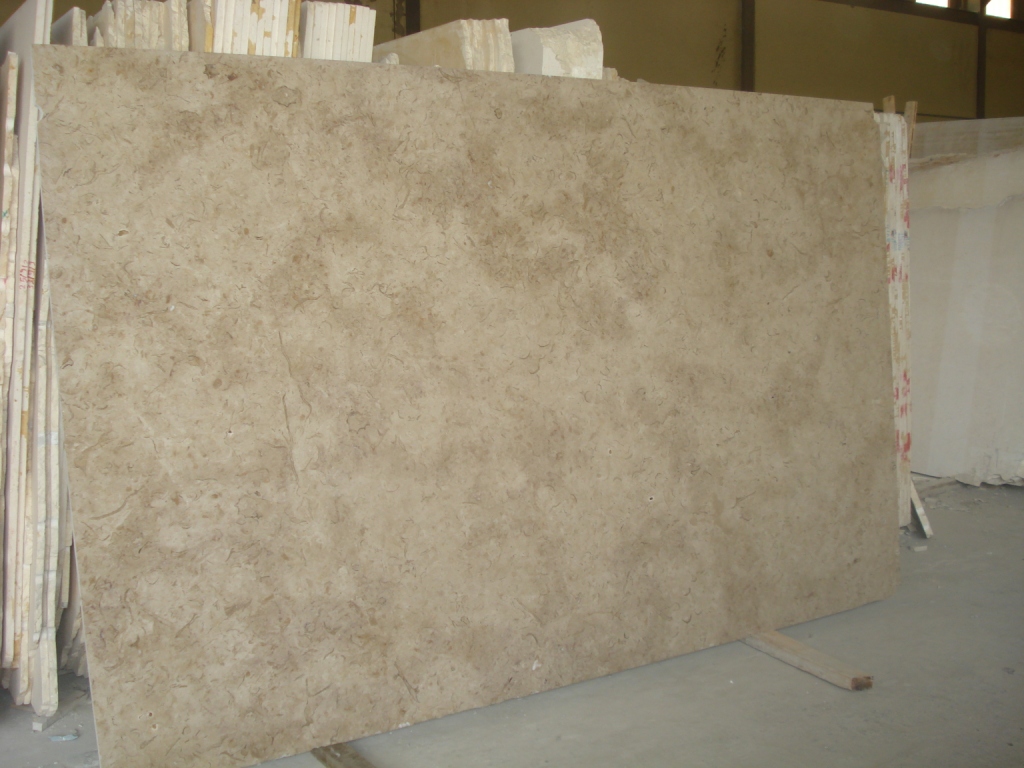
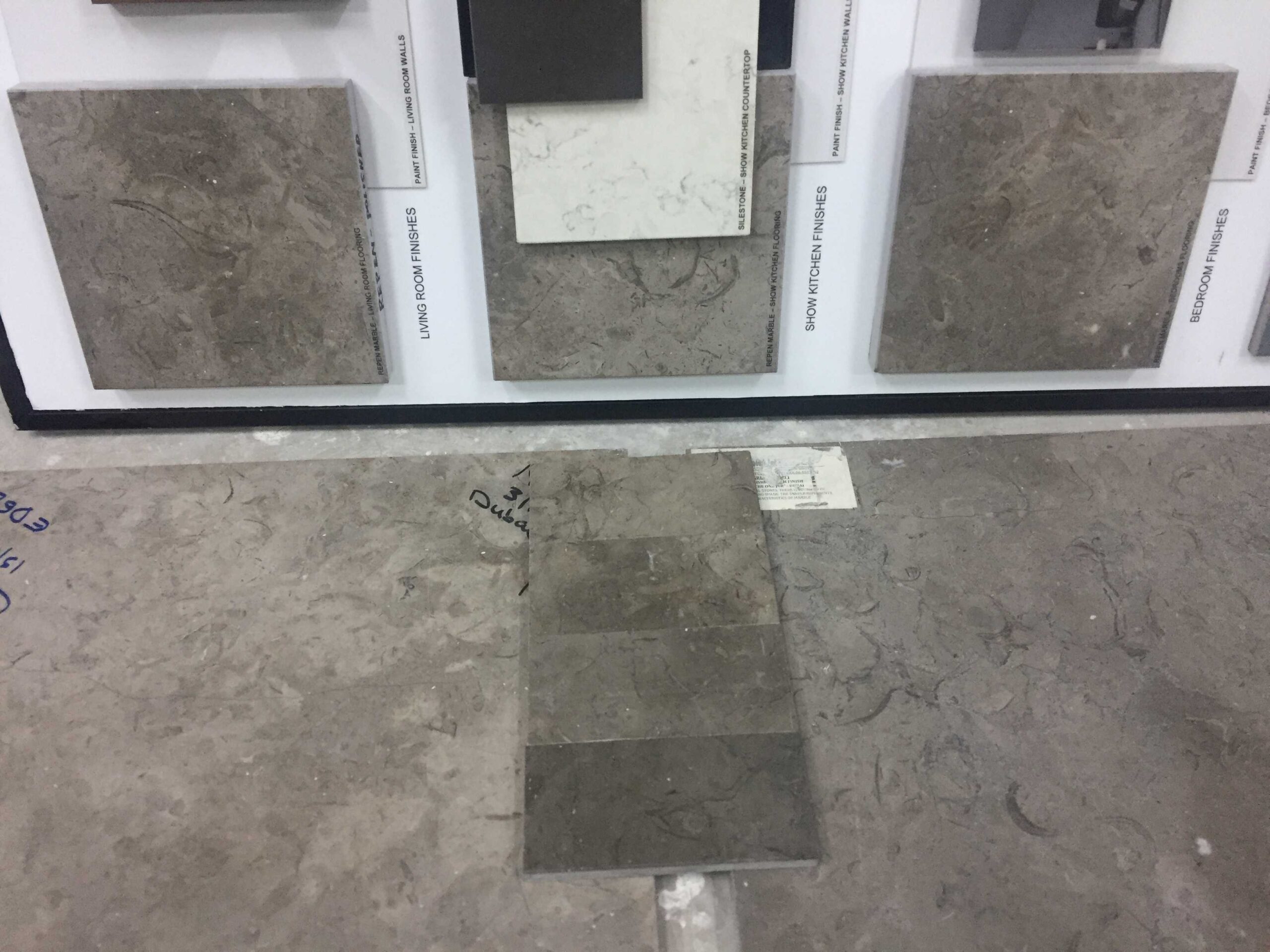
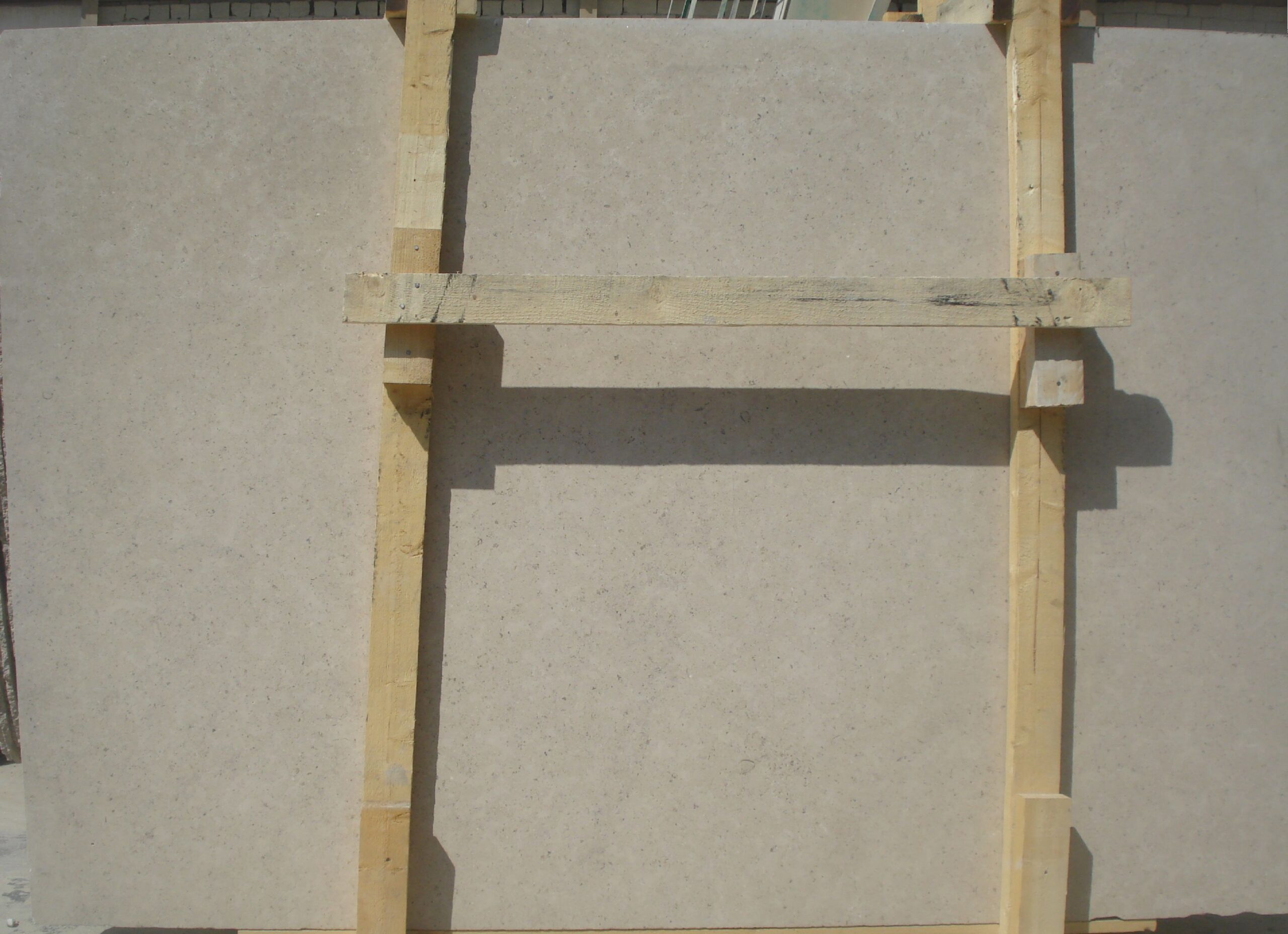
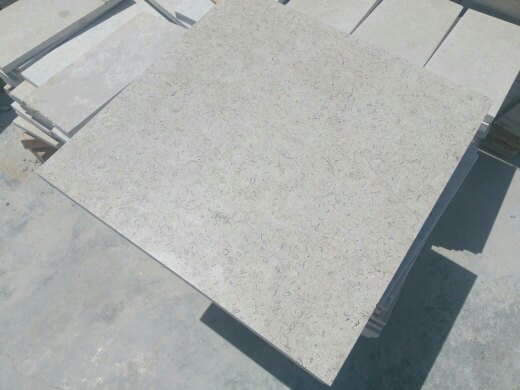
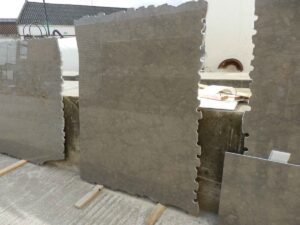
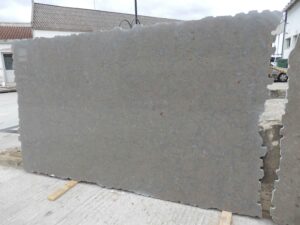
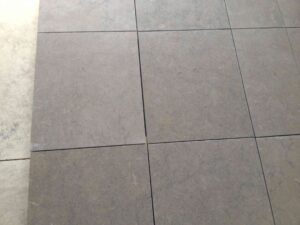
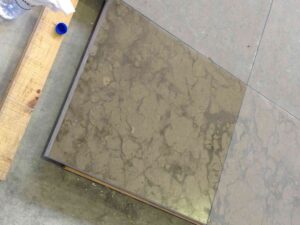
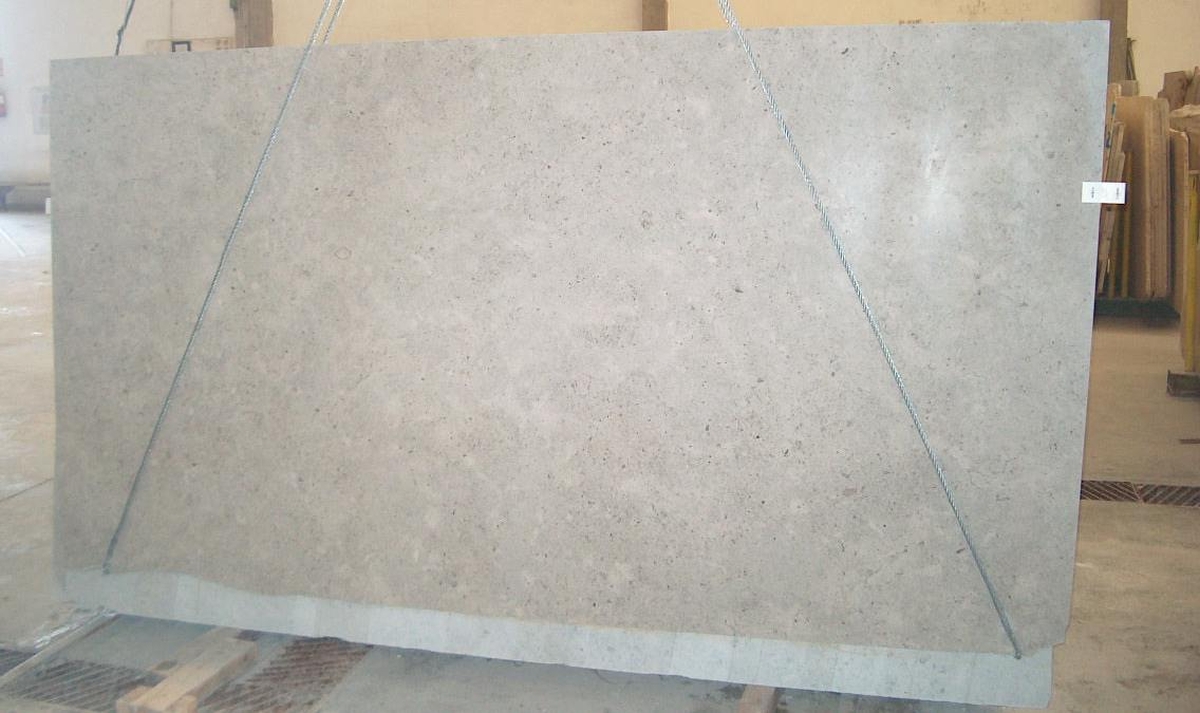
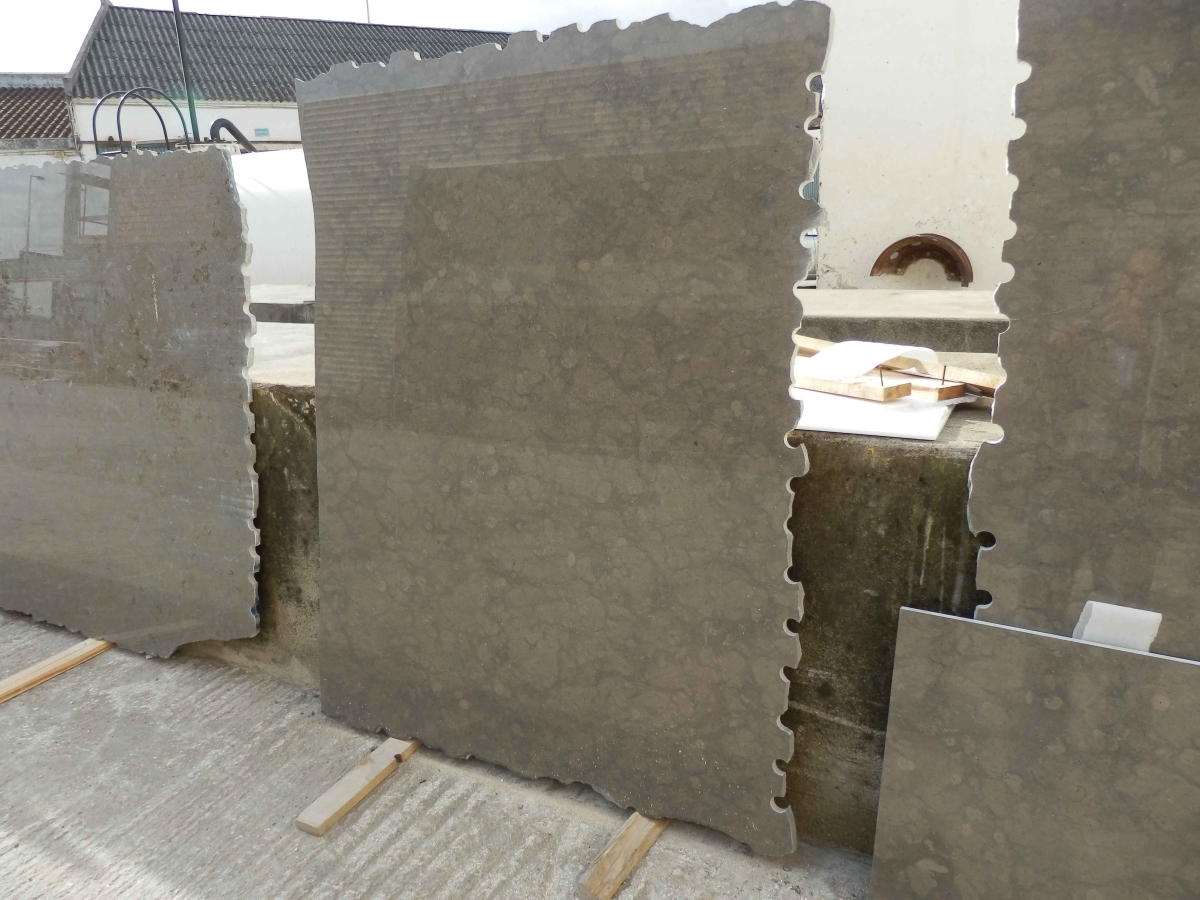
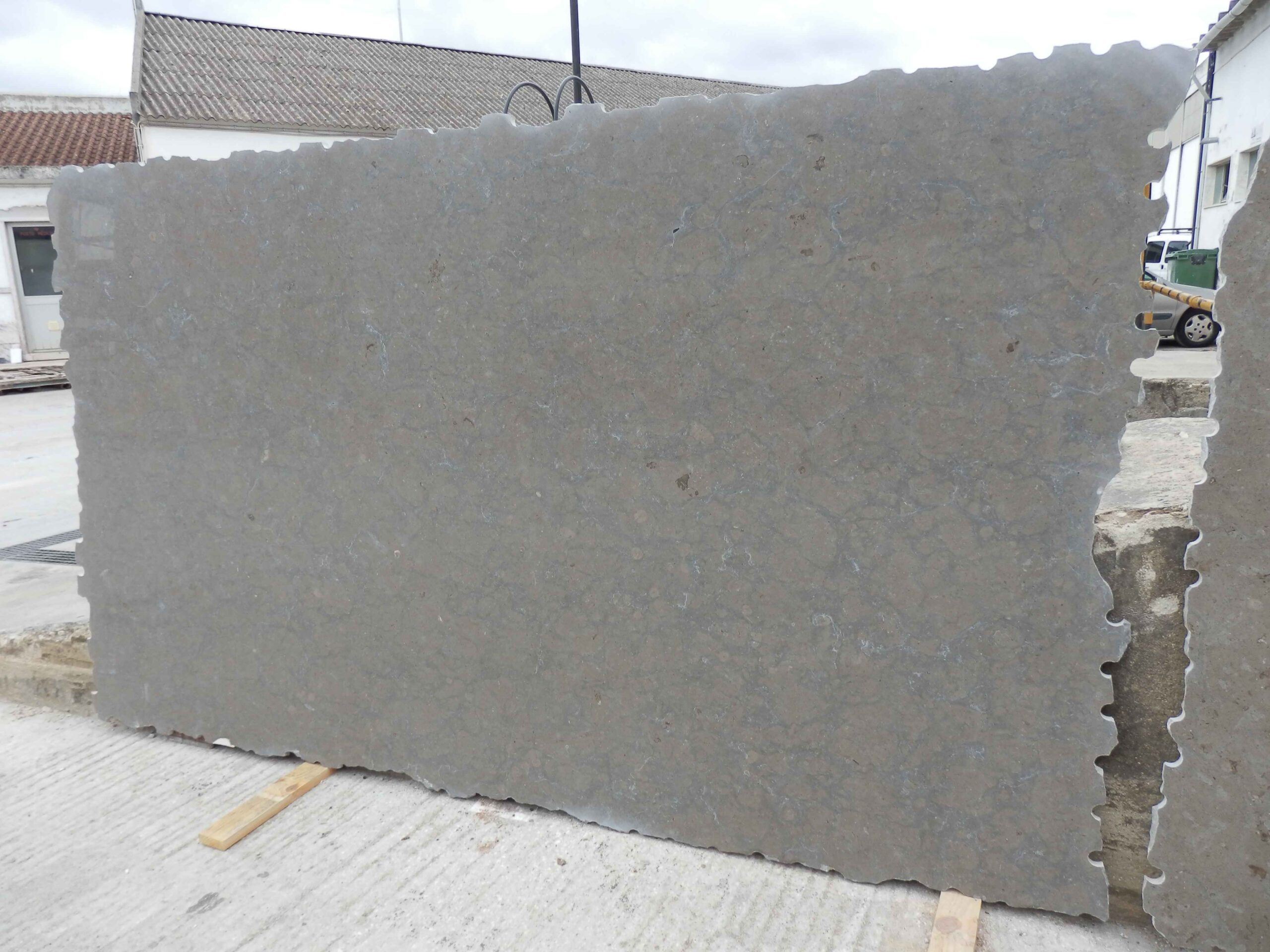
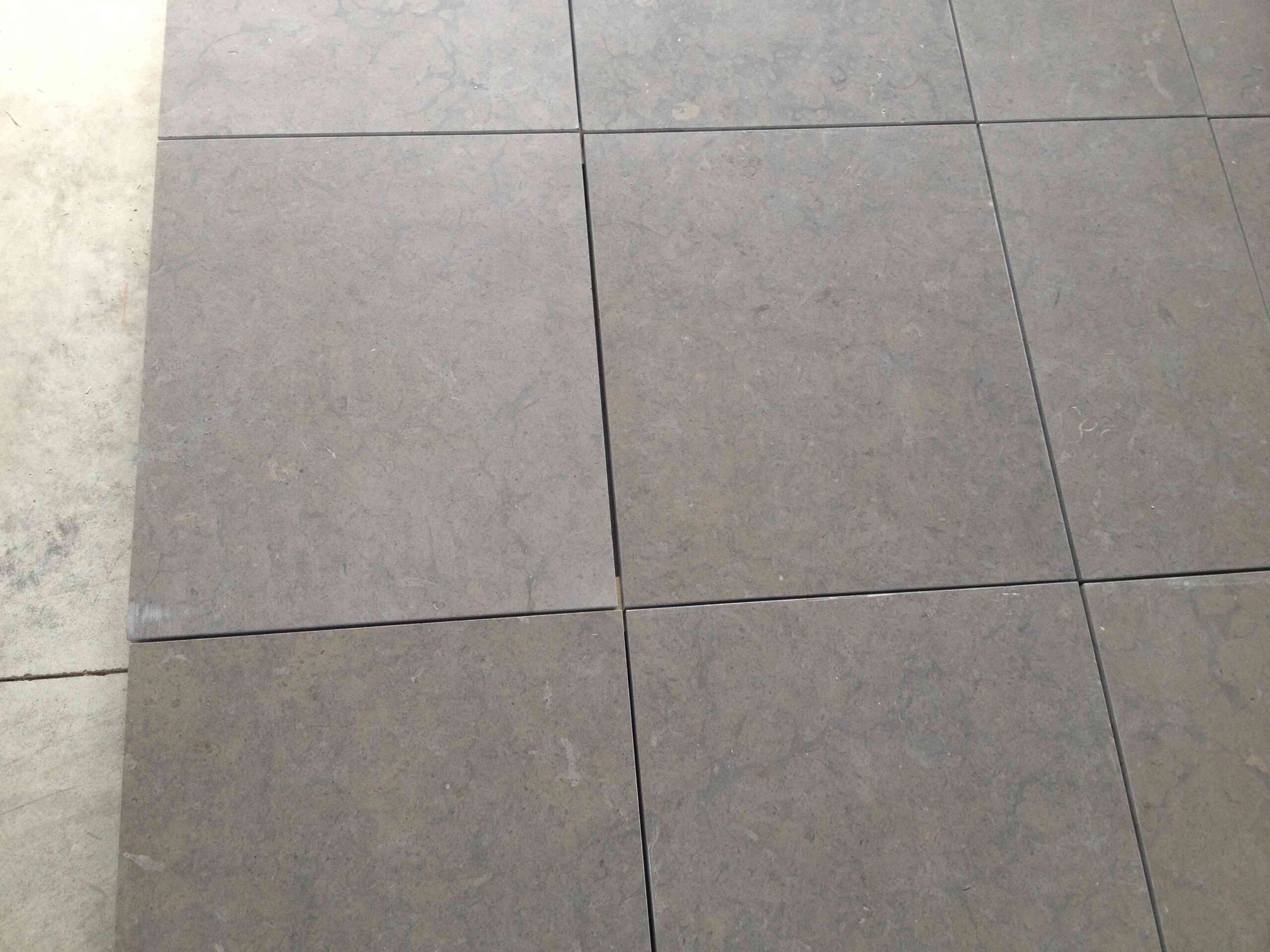
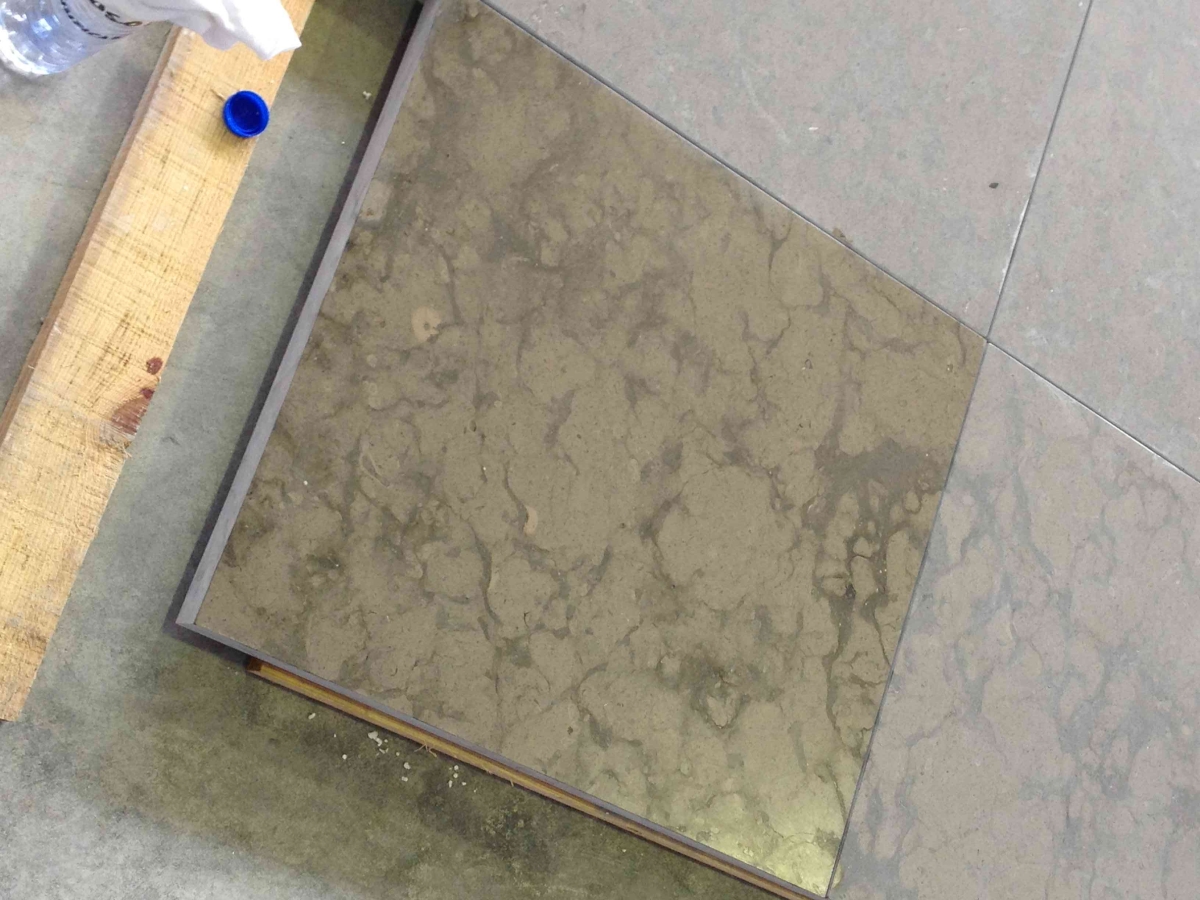
Limestone Gallery

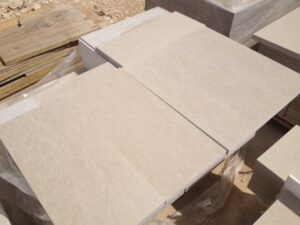
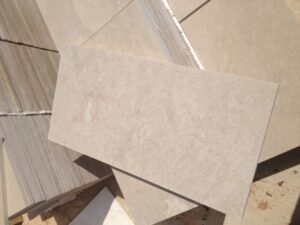




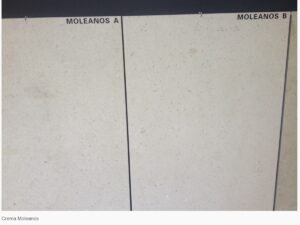
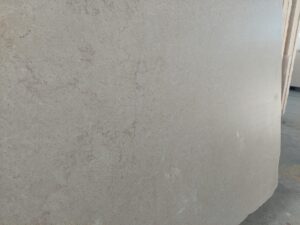



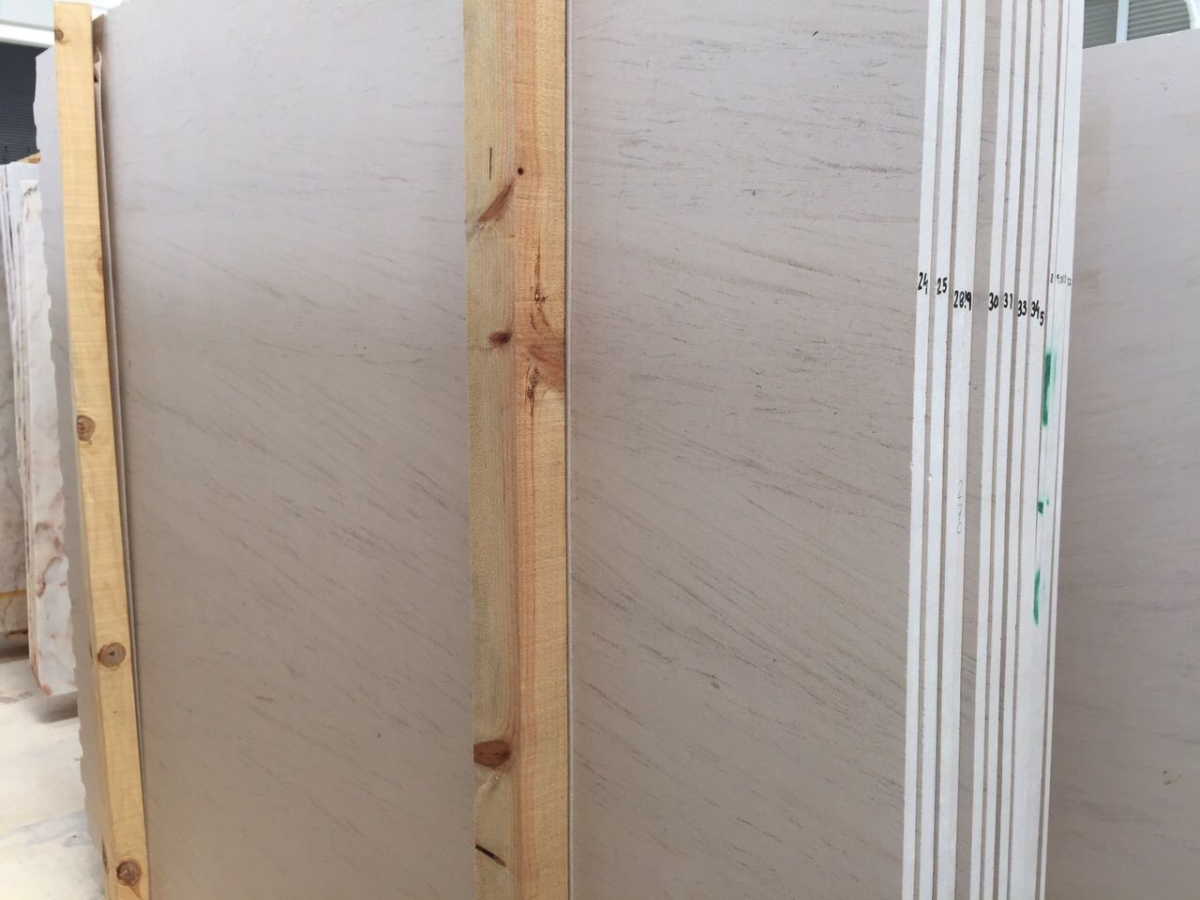
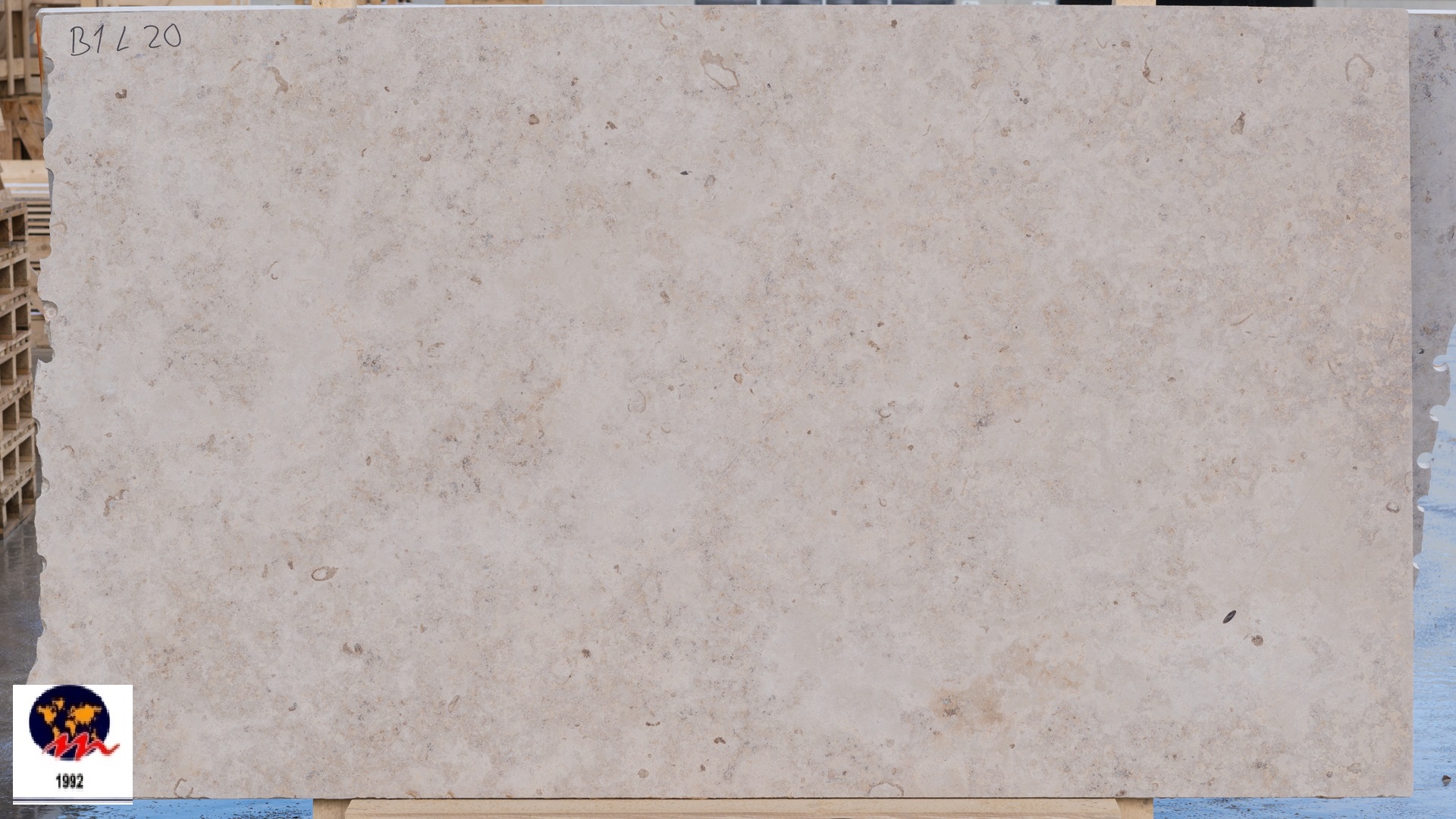
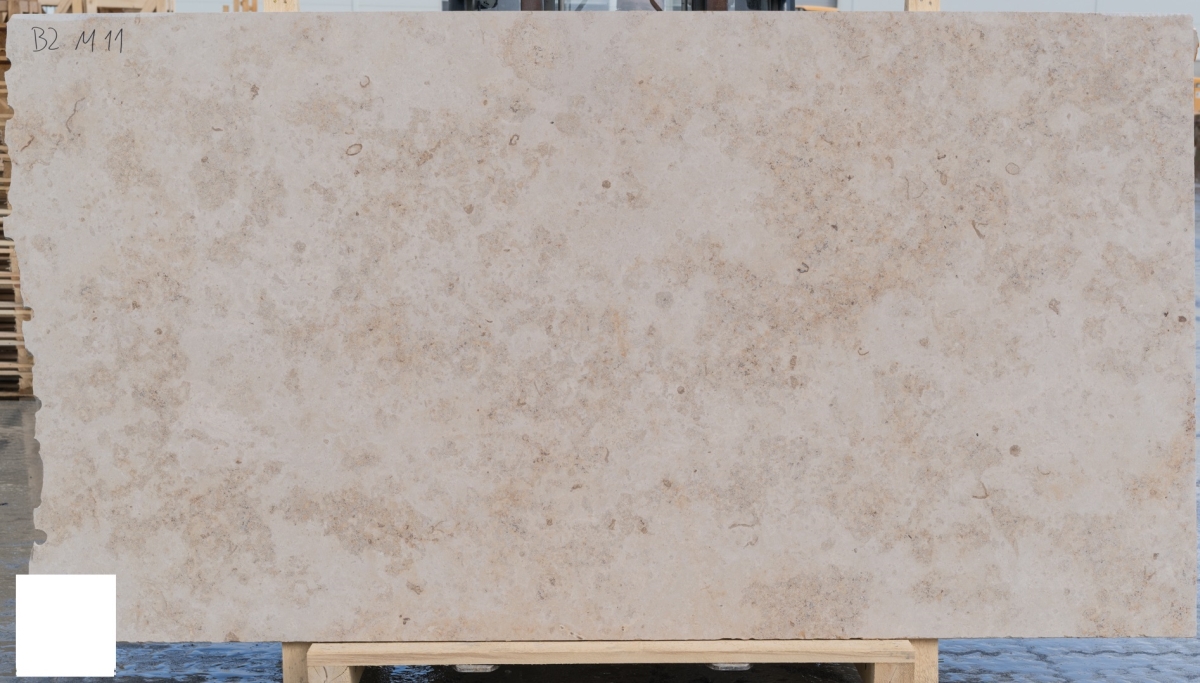
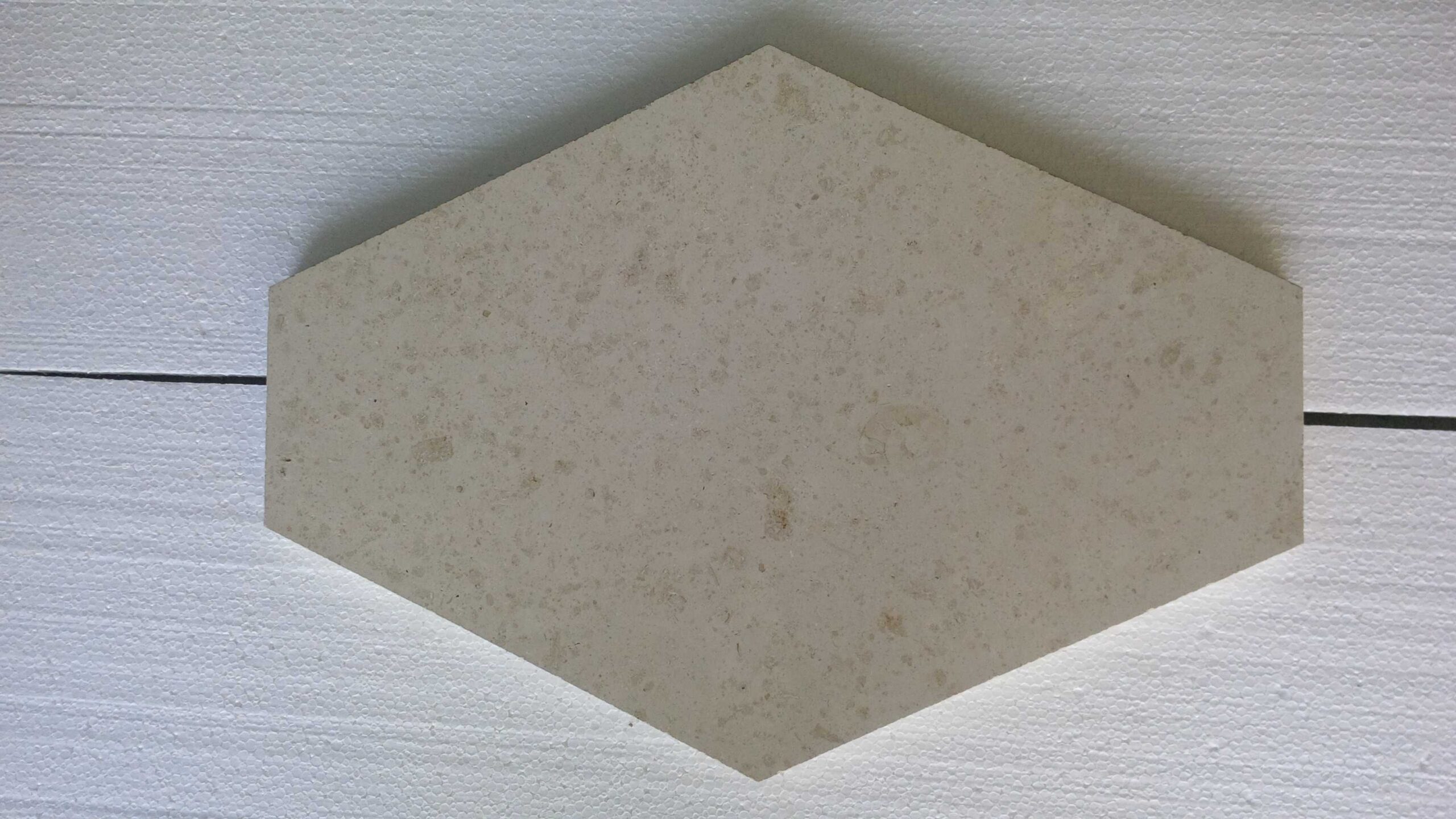
Request a Sample
Interested in using limestone for your project? Request a Sample or Contact Us to learn more about the options available.